First decide whether you need to buy a machining center or purchase machined aluminum profiles. Owning the machine gives you direct control over scheduling and process changes, but adds tooling, programming, maintenance and operator work. Outsourcing avoids the equipment purchase but makes the part specification and production schedule central to the quote.
If you are comparing machines from a China-based manufacturer, ask for the quoted configuration. Two machines described in similar terms may differ in usable profile length, access to multiple faces, workholding and included tooling. Those differences can change both the purchase price and the amount of manual repositioning each part needs.
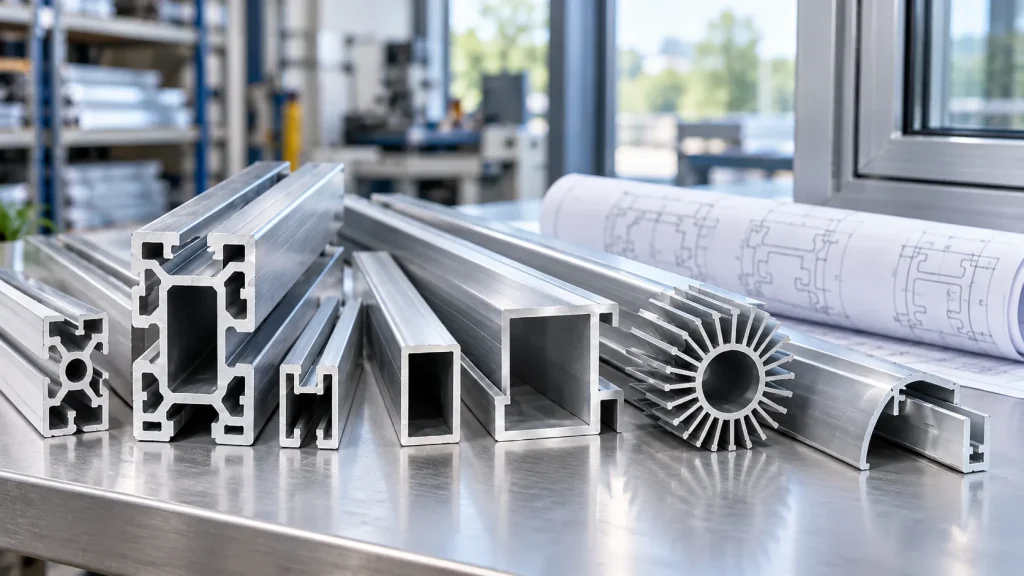
Match the machine to the actual profile and operations. Send drawings showing the section shape, longest part, holes, slots, milled features and faces that need machining. Confirm that the proposed workholding supports the profile without obstructing critical cuts; a machine’s stated travel alone does not establish that the part will fit.
Check what the quoted price includes. Ask each supplier to separate the base machine from clamps, tools, programming software, installation, training and other quoted items. This makes a lower equipment price easier to evaluate against the work needed to put the machine into production.
Consider your production mix. A factory running repeated parts may value fast loading and consistent setups, while frequent profile changes make fixture flexibility and programming workflow more important. Avoid choosing extra capacity solely because it sounds future-proof; pay for capabilities tied to a plausible job.
For a comparable China quotation, give each prospective seller the same drawings, expected production volume and installation destination. Ask for a proposed process and a clear statement of what the machine can complete in one setup, then compare the remaining manual work as well as the quoted price.