Choosing a Rail Aluminum Profile Factory | SUZHOU TOP METAL MATERIALS CO.,LIMITED

Choosing a Factory for Rail Aluminum Profiles

For a rail-shaped aluminum profile, the first decision is what the rail must do. A sliding-door track, a mounting rail and a profile for a rail vehicle may look similar in a drawing, but they place different demands on the extrusion, its tolerances and the evidence a buyer needs.

Before approaching a factory, define how the profile fits its mating parts and which surfaces do the work. That will make a quote more useful than a request for “aluminum rail” alone.

Related Products

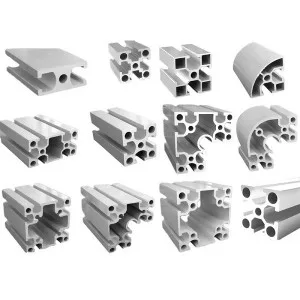
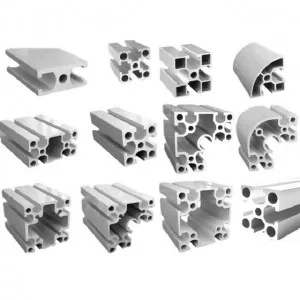
Extrusion alumium profiles

Extrusion alumium profiles

Aluminum profiles are products born from aluminum alloys bar that are transformed into shaped objects through the extrusion process. Extrusion alumium profiles are used in…

Read More
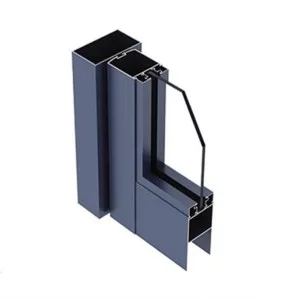
Extruded aluminium window profiles

Extruded aluminium window profiles

Aluminium extrusion profile for doors and windows is a kind of door and window frame decoration building material made of aluminum alloy as raw material. Its advantages are…

Read More

Match the rail section to its mating parts

Profile selection

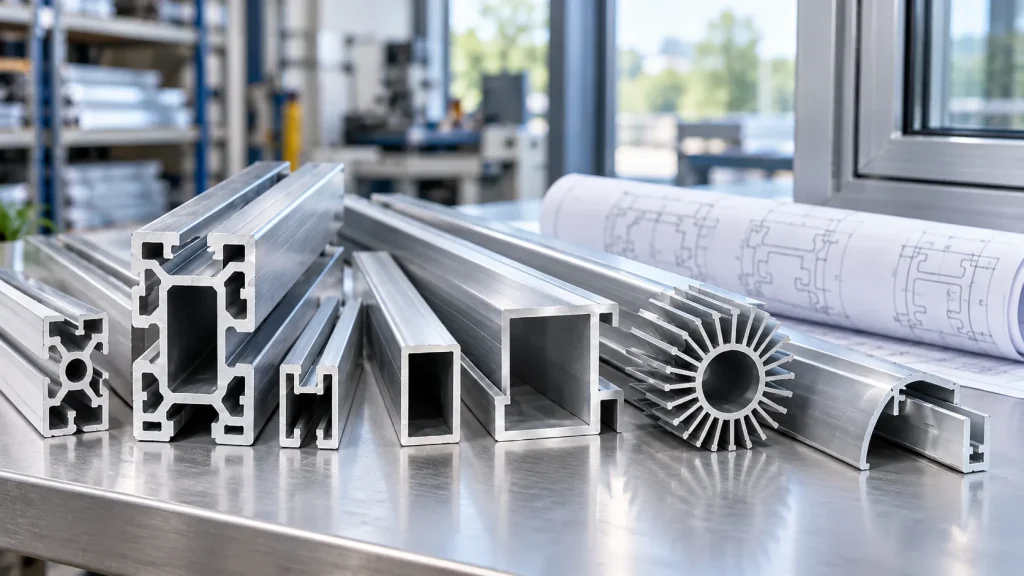
Compare rail profiles by cross-section, mating-part fit, material and temper, finish, straightness and the amount of machining needed before installation. The critical surfaces should be identified on the drawing.

Criterion What To Check Why It Matters Buyer Tip
Rail function Identify whether the profile holds hardware, guides a moving part or serves as trim; share an assembly drawing. The same rail-shaped section may be unsuitable for a different load or mating component. What does the rail carry, and which parts must fit it?
Cross-section and fit Compare the drawing’s slot, groove and mounting dimensions with the mating hardware; mark critical tolerances. A profile can match the overall shape yet fail to accept a fastener or guide component. Which dimensions affect assembly, and how will the factory inspect them?
Alloy and temper Specify the required alloy and temper, or describe the load and forming needs if they are not yet fixed. Strength, machinability and bendability vary; a substitution can change how the rail performs. Can you confirm the proposed alloy and temper before tooling or production?
Surface and contact areas Mark visible faces, sliding or clamping surfaces, and any required finish on the drawing. A finish may suit exposed trim but change the fit or wear behavior of a contact surface. Which surfaces will be finished, and are any contact areas left untreated?
Lengths and secondary work List cut lengths, hole locations, end details and acceptable edge condition. An extrusion that meets the cross-section drawing may still need work before it fits the assembly. Will the quoted supply include cutting and machining, and how will those features be checked?

Decide what the factory must deliver

Is the rail guiding movement, holding a component or forming part of a larger structure? A guide track needs particular attention to its running surfaces and alignment. A mounting rail depends on secure engagement with clips or fasteners. A profile used in a rail vehicle may also need project-specific material, inspection and documentation requirements. The intended use determines which dimensions are critical rather than merely cosmetic.

Start with a section drawing and identify the mating wheel, slider, clip or bracket. Mark the critical contact surfaces, fit tolerances and acceptable straightness. A profile can match its nominal width yet still bind, rattle or fail to engage if those details are left open.

Choose alloy and temper for the loads, wear conditions and forming or machining the part will face. Surface finish is a separate decision: an appearance requirement does not automatically protect a running surface, and a coating may change the fit with mating parts. Confirm the finish and its allowable build-up where clearance matters.

Decide which operations belong in the factory scope. Extrusion alone differs from a ready-to-install rail with cut ends, holes or other machining. Ask how the factory would control features added after extrusion and how it would inspect the dimensions that matter to assembly. For a new cross-section, also confirm die ownership and approval of the first production samples.

Send the drawing, intended use and expected order quantity to SUZHOU TOP METAL MATERIALS CO.,LIMITED. Ask whether it can make the required section and provide the specified finishing, machining and inspection; if the rail is for a regulated vehicle project, include the project's documentation requirements for review.


Criteria Importance Description Example Options
Existing section versus custom extrusion Affects fit, tooling decisions and approval time. An existing section may be simpler to source if its contact geometry works; a custom section allows the mating features to be defined for the assembly. Compare a proposed stock channel with the wheel and mounting bracket before specifying a new die.
Aluminum versus steel contact surface Matters most where the rail carries load or sees repeated sliding contact. Aluminum reduces weight, while steel may be preferable where contact wear governs the design. Consider the mating part and maintenance approach, not material alone. A frequently used slider may justify evaluating a replaceable wear surface.
Surface finish at the fit Critical when clearance or contact condition affects movement. A finish chosen for appearance or corrosion protection can alter dimensions at close-fitting features. Specify which surfaces receive the finish and assess the resulting fit. Check clearance between a finished channel and its clip or slider.
Extruded length versus installation-ready part Determines what work remains after delivery. Cut lengths still need any required holes, end details or assembly checks; finished parts require those operations to be defined and inspected. Compare a cut rail with one supplied with mounting holes positioned to a drawing.

Blog Articles / Reviews

What Is an Aluminum Profile?

What Is an Aluminum Profile?

An aluminum profile is an aluminum or aluminum-alloy product with a defined cross-sectional shape that continues along its length. In construction and industrial supply, the term commonly refers to an…

6061 0 Aluminum Sheet: What Should Buyers Verify?

6061 0 Aluminum Sheet: What Should Buyers Verify?

A request for 6061 0 aluminum sheet is a temper-specific purchasing question, not simply a request for generic 6061 sheet. That distinction matters when a buyer compares supplier quotations. TOP METAL…

Frequently Asked Questions

Can an extruded aluminum rail work with an existing wheel or slider?

It may, but a similar-looking channel is not enough to establish fit. Check the contact shape, clearance and travel path against the actual mating part, ideally with a sample before approving a custom section.

When would a steel rail be a better choice?

Steel may suit a contact surface subject to heavy loads or repeated abrasion, though it adds weight and may call for different corrosion protection. If low weight is important but the contact surface wears, ask whether a replaceable wear insert is practical.

Does a harder aluminum alloy automatically make a better track?

No. Alloy and temper affect strength, but track performance also depends on contact geometry, surface condition, alignment and the mating part. A harder profile will not correct a poor fit or an unsuitable running surface.

Can a factory reproduce a rail from a physical sample?

A sample is useful, but wear or damage can obscure the intended dimensions. Supply a drawing if available, and identify which features must match the mating parts; ask the factory how it would measure and approve a replacement section.

What should be settled before ordering a custom extrusion die?

Agree on the approved section drawing, critical dimensions, sample-approval process and who owns the die. Also confirm whether the quoted scope includes cutting, finishing and any machining needed for installation.

Leave Your Message

Share the rail's application, a section drawing or key fit dimensions, and the finishing or machining required. These details will help clarify whether the profile can be quoted.