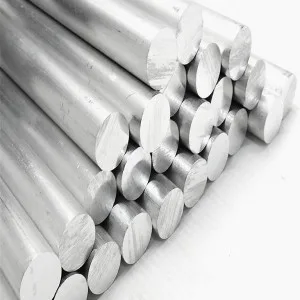
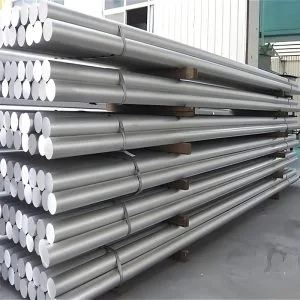
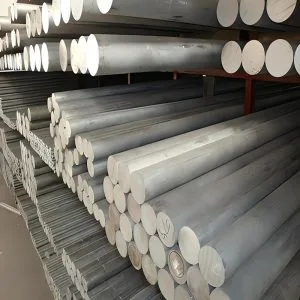
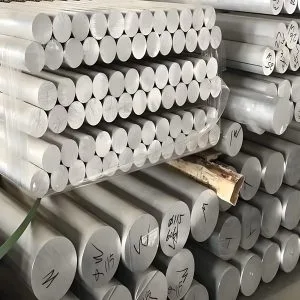
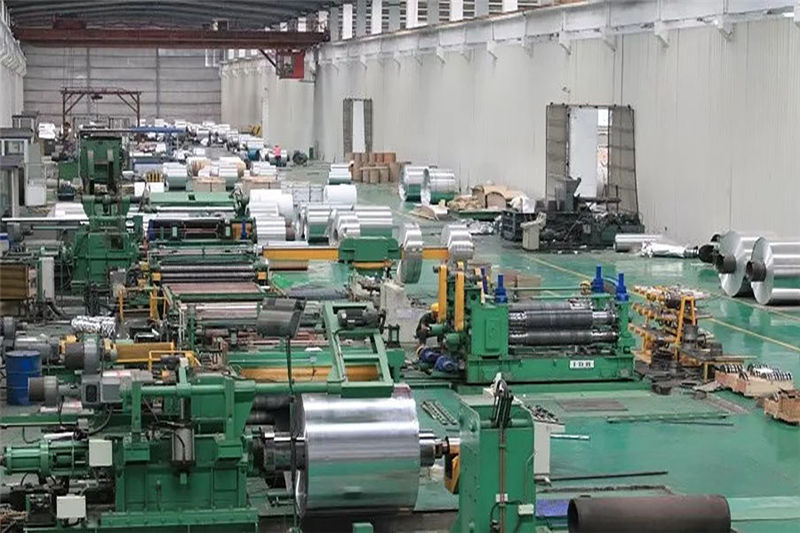
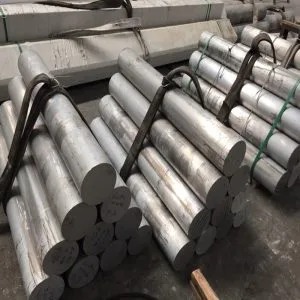
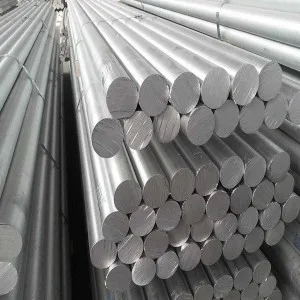
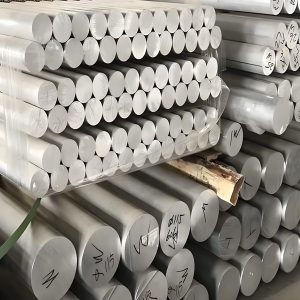
China Aluminum Round Bar Manufacturer, Factory & Suppliers are best evaluated by checking alloy options, diameter range, length tolerance, surface finish, processing needs, and export order communication. A useful supplier response should address the actual application instead of only sending a general catalog.
Before requesting pricing, prepare your required material, size, quantity range, destination, inspection points, and any cutting or packaging preferences. This helps both sides confirm application fit and reduces delays during sample review, quotation, and order planning.
Begin with a specification checklist. Confirm the aluminum grade or performance requirement, bar diameter, length, tolerance expectations, surface condition, temper if applicable, and whether the bars will be machined, fabricated, or used as supplied. These details help narrow the product match quickly.
For bulk purchasing evaluation, compare suppliers by how clearly they handle technical details. Ask what information they need for quotation, whether drawings or sample references are useful, how they describe quality checks, and how they manage size or configuration changes before production.
Packaging and export order needs should be included early. Share the destination, order volume, delivery schedule, labeling requests, and any loading or documentation requirements. Clear logistics information allows the supplier to provide a more practical quotation and avoid later revisions.
When reviewing responses, look beyond unit price. A stronger supplier communication process should clarify material matching, custom options, inspection points, after-sales support, and next steps for samples or trial orders. This makes it easier to compare options on a consistent basis.