China 2024 Aluminum Sheet Manufacturer Checks | SUZHOU TOP METAL MATERIALS CO.,LIMITED

China 2024 Aluminum Sheet Manufacturer Checks

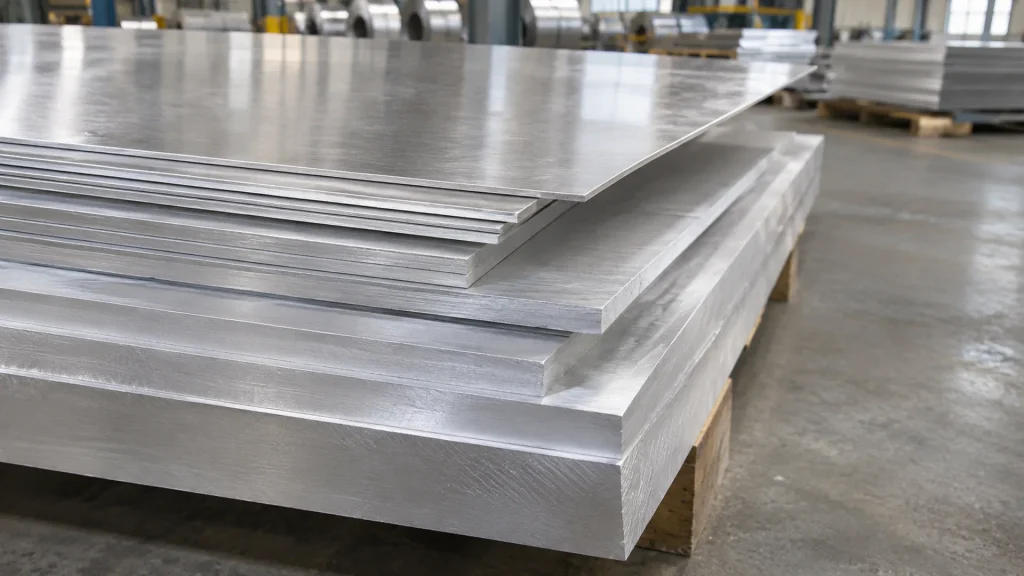
For a formed structural part, the choice of 2024 aluminum sheet depends on more than alloy name and thickness. Temper affects how the sheet forms and performs in service; surface condition and corrosion protection may matter just as much. Buyers sourcing from China should settle those requirements before comparing offers.

Related Products

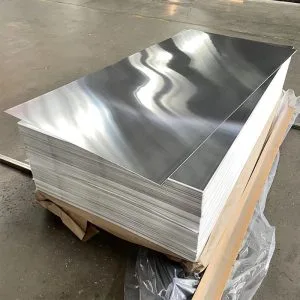
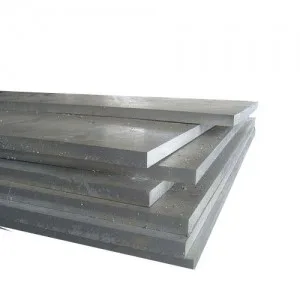
China aerospace aluminum sheet 2024

China aerospace aluminum sheet 2024

Aluminum alloy 2024 as well as aerospace aluminum sheet is the most widely used in aircraft development. The alloy has a high yield strength and is a high-grade alloy with excellent fatigue resistance…

Read More
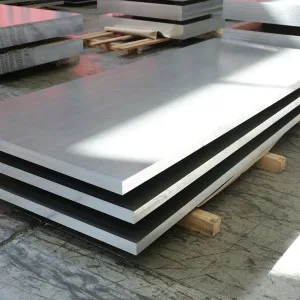
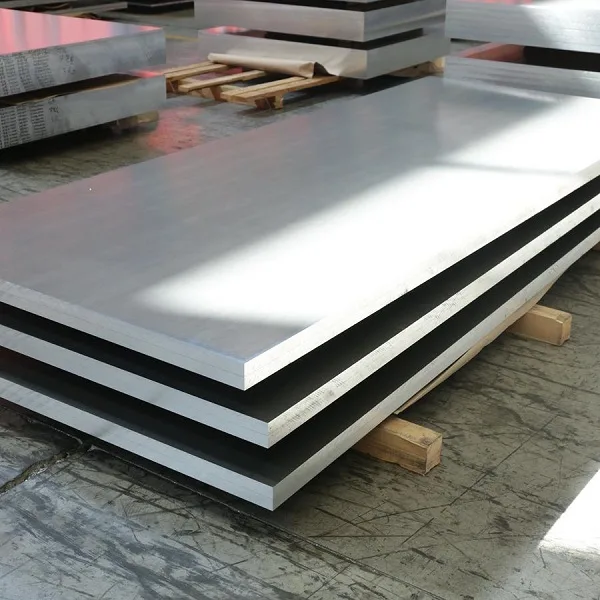
China aluminum plate sheet

China aluminum plate sheet

We mainly produce 1000 Series aluminum sheet, 2000 Series aluminum sheet, 3000 Series aluminum sheet, 5000 Series aluminum sheet, 6000 Series aluminum sheet, 7000 Series aluminum sheet, 8000 Series al…

Read More

Match 2024 sheet to the part

Sheet selection

Compare 2024 sheet options by temper, bare or clad surface, thickness and required documentation. Each choice should follow the part drawing and fabrication plan.

Criterion What To Check Why It Matters Buyer Tip
Temper and forming needs Match the specified temper to the bends and loads in the part drawing. A stronger temper may be harder to form without cracking. Ask which temper is suitable for the finished part, not just whether 2024 sheet is available.
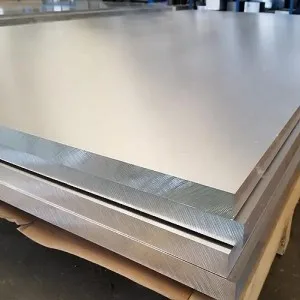
Thickness and flatness State the required thickness tolerance and any flatness limits on the drawing. Variation can affect machining, assembly and the appearance of large panels. Ask how the supplier verifies the limits that matter to your process.
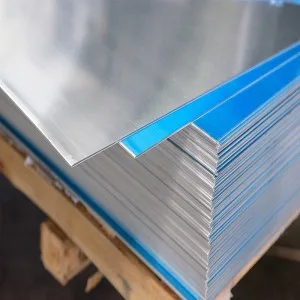
Cladding and surface condition Confirm whether the design calls for bare or clad sheet and specify acceptable surface marks. 2024 needs appropriate corrosion protection for its service environment; cladding also changes the material you receive. Ask what surface condition is available and how sheets will be protected in transit.
Alloy and lot traceability Request material documentation that identifies the alloy, temper and production lot. Traceability makes it easier to verify incoming material and investigate a later discrepancy. Ask a China-based manufacturer or supplier what documents will accompany each lot.
Sheet size and cut edges Compare available sheet sizes and edge condition with the cutting plan. The wrong size can increase scrap; damaged edges may reduce usable area. Ask the factory to confirm supplied dimensions and whether cut-to-size sheets are an option.

Temper, surface and supply checks

The key distinction is between bare and clad 2024 sheet. A clad surface can improve corrosion protection, but it may not suit every finishing or fabrication plan. Temper is a separate choice: a condition that suits forming may not provide the properties required in the finished part. Specify both rather than asking for “2024 sheet” alone.

Start with the drawing and the part’s job. State the required temper, thickness and sheet size, plus any bends or other forming. A common mistake is to substitute another temper because the alloy number matches; check the finished-part requirements before accepting that change.

Decide how the surface will be used. Say whether you need bare or clad sheet, whether it will be coated, and which face will remain visible. If appearance matters, describe the acceptable surface condition rather than relying on the word “standard.”

For a manufacturer in China, ask whether the offered material comes from its own factory or from other suppliers, and who will provide the material documents you need. If the sheet is for a controlled application, agree on the applicable specification and required verification before ordering; an alloy designation alone does not establish compliance.

Send a drawing or cut-size schedule with the intended use and requested documents. Ask SUZHOU TOP METAL MATERIALS CO.,LIMITED to confirm the available temper, surface option and supply route against those details.

Criteria Importance Description Example Options
2024 versus 6061 Decisive if the design depends on particular mechanical properties or joining methods. 2024 is often selected for structural performance; 6061 may be easier to weld and manage for corrosion. Neither is an automatic substitute for the other. A welded assembly may prompt a review of 6061, while a drawing specifying 2024 calls for verification before any alloy change.
Temper Critical for both fabrication and finished-part performance. Temper affects forming behavior and mechanical properties. Compare offers against the specified condition, not just the alloy designation. A part with bends may require a different fabrication plan from a part cut from sheet in its final temper.
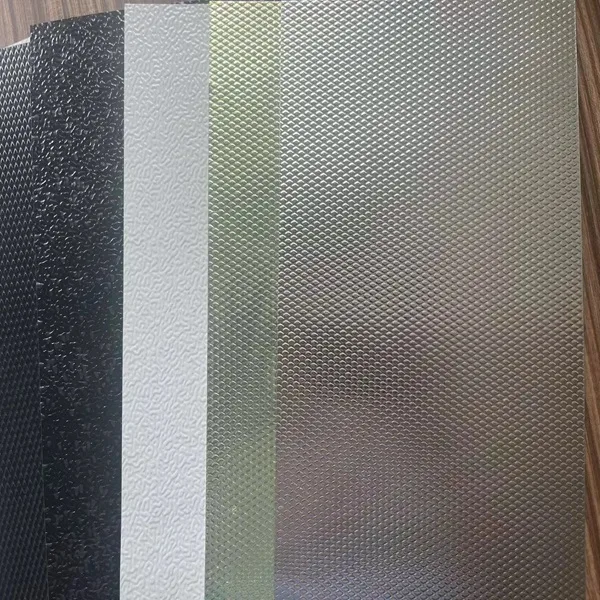
Bare or clad surface Important where exposure, coating or visible finish affects the part. Cladding can improve surface corrosion protection, while bare sheet may suit a different finishing plan. Cut edges and holes still need consideration. A coated exterior panel and an enclosed machined part may call for different surface choices.
Dimensions and verification Essential for fit and for checking that delivered material matches the order. Specify thickness, sheet size and applicable tolerances; agree on identification and material documents before purchase. A cut-size schedule and the required material specification make competing offers easier to compare.

Blog Articles / Reviews

Frequently Asked Questions

Is 2024 sheet suitable for a structural part?

It can be a good choice when the design calls for its strength and fatigue performance. Suitability still depends on the specified temper, loading, fabrication method and corrosion protection; the alloy name alone does not approve a part for service.

When might 6061 be a better choice?

Consider 6061 if the part needs welding or simpler corrosion management and the design permits a change in mechanical properties. Do not substitute it for 2024 on a structural drawing without checking the design requirements.

Does clad sheet eliminate the need for corrosion protection?

No. Cladding protects the sheet surfaces, but cut edges, holes and damaged areas still need attention in the finishing plan. Confirm that the specified cladding and any subsequent coating suit the part’s environment.

Can a sheet in one temper be used if the requested temper is unavailable?

Not on the basis of alloy number alone. A different temper can change forming behavior and finished-part properties, so any substitution needs approval against the drawing or applicable material specification.

What should I confirm before placing an order with a supplier in China?

Ask for confirmation of the specified alloy, temper, bare or clad condition, dimensions and tolerances. Also agree on the material documentation, sheet identification and packaging needed to receive and verify the order.

Leave Your Message

Share your required temper, thickness and sheet size, plus whether you need bare or clad material. Include the intended fabrication or applicable drawing so the inquiry can be checked against the part.