Sheet Aluminum Diamond Plate Selection Guide | SUZHOU TOP METAL MATERIALS CO.,LIMITED

Aluminum Diamond Plate Sheet for Steps and Covers

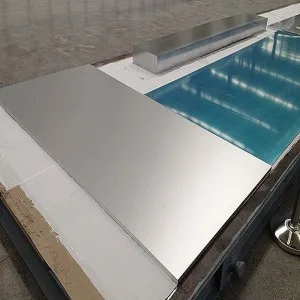
Sheet aluminum diamond plate is used for steps, walkways, equipment covers and protective panels where the raised pattern provides texture and resists scuffs. The first decision is whether the sheet is mainly a cover or must carry foot traffic or equipment loads; that changes the thickness, support and alloy you need.

Related Products

Aluminum Diamond Plate Sheet Manufacturer

Aluminum Diamond Plate Sheet Manufacturer

Having good forming, drilling and welding ability, Aluminum Diamond Plate is easy to fabricate and its raised diamond lug pattern provides good slip resistance. We are now stocking select sizes in FTQ…

Read More


Match diamond plate to the job

Sheet selection

Compare sheets by base-metal thickness, alloy and temper, diamond pattern, and available sheet size. Match those choices to the support beneath the panel and any cutting or bending required.

Criterion What To Check Why It Matters Buyer Tip
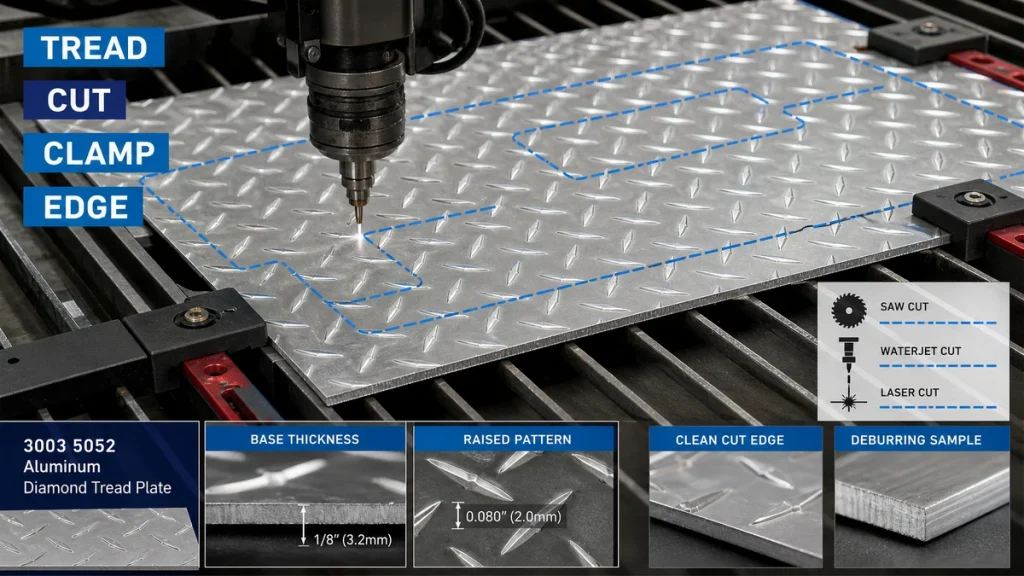
Base thickness Confirm whether the stated thickness measures the flat base metal or includes the raised diamonds. The base thickness affects stiffness, weight and fit; the raised pattern adds height. Ask for both the base thickness and overall height.
Alloy and temper Request the alloy and temper designation for the plate being offered. These affect forming, strength and suitability for the intended environment. Tell the seller if the sheet must be bent or used outdoors.
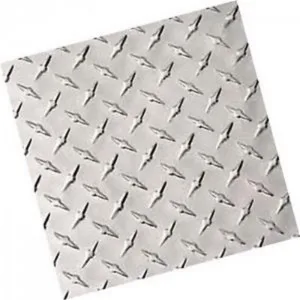
Diamond pattern Compare the tread layout, raised height and pattern direction with your drawing or sample. Different patterns change appearance and can affect how panels align. Ask for a pattern drawing before ordering adjoining panels.
Sheet size and flatness Specify finished length, width and acceptable flatness, especially for large panels. A sheet that fits on paper may still rock, bow or require trimming during installation. Will the plate be supplied as a full sheet or cut to finished size?
Surface and edges Confirm the required finish and whether cut edges need deburring or protection in transit. Visible marks and sharp edges can create problems even when the dimensions are correct. Identify which face will remain visible and how the edges will be used.

Thickness, support and pattern choices

Specify thickness at the flat base of the sheet, separately from the height of the raised diamonds. A quoted overall thickness can make two sheets sound comparable even when they contain different amounts of base metal. The pattern adds texture, but it does not replace adequate support or guarantee slip resistance in wet or oily conditions.

Start with the installed use. A panel fixed to a solid surface has different demands from a step or walkway spanning between supports. For a load-bearing application, identify the support spacing and expected loads before settling on sheet thickness.

Choose alloy and temper with the environment and fabrication in mind. If the sheet will be bent into a step or cover, ask about bendability and how the raised pattern may affect the finished edge. If it will see moisture or cleaning chemicals, describe that exposure rather than assuming every aluminum grade is interchangeable.

Check the pattern as well as the metal: diamond size and orientation affect appearance, grip underfoot and how adjacent panels line up. For visible installations, agree on pattern direction before cutting; for fitted panels, account for edge clearance and any required fastening holes.

Avoid ordering by overall thickness or sheet dimensions alone. Send a drawing or finished cut size, state the base-metal thickness you need, and describe the substrate or supports. Those details give SUZHOU TOP METAL MATERIALS CO.,LIMITED a basis to confirm a suitable sheet and available pattern before you order.

Criteria Importance Description Example Options
Textured versus smooth surface Matters when surface texture affects use or cleaning Diamond plate provides raised texture; plain sheet is easier to fit against a smooth mating surface and wipe clean. A removable machine cover may favor plain sheet if a tight seal matters more than surface texture.
Continuous surface versus drainage openings Important where liquid must pass through the panel Diamond plate retains a continuous surface. Perforated sheet allows drainage but requires separate consideration of support and loading. A panel above a drain may call for openings rather than a solid tread surface.
Finished edges and joints Important for fitted panels and exposed edges Cutting through the raised pattern can leave an uneven-looking edge; account for trim, clearances and how adjacent panels meet. Two panels installed side by side may need an agreed pattern direction and joint detail.
Exposure and maintenance Important in wet or frequently cleaned areas Alloy selection and cleaning conditions affect suitability, while dirt can collect around the raised pattern. A step washed regularly with cleaning chemicals warrants a check of the proposed alloy and cleaning method.

Blog Articles / Reviews

6061 0 Aluminum Sheet: What Should Buyers Verify?

6061 0 Aluminum Sheet: What Should Buyers Verify?

A request for 6061 0 aluminum sheet is a temper-specific purchasing question, not simply a request for generic 6061 sheet. That distinction matters when a buyer compares supplier quotations. TOP METAL…

Frequently Asked Questions

Is diamond plate suitable for an outdoor step?

It can be, but the raised pattern alone does not establish safe traction in rain, dirt or ice. Assess the installed step as a whole, including drainage, footwear, cleaning and the support beneath the sheet.

When would plain aluminum sheet be a better choice?

Choose plain sheet if you need a smooth surface for a close-fitting cover, applied finish or frequent wipe-down. Diamond plate offers a textured, scuff-tolerant surface, but its raised pattern can complicate sealing and cleaning.

Does the raised pattern make a thin sheet strong enough to span a gap?

No. Span capacity depends on the base metal, alloy, support layout and loading; the pattern is not a substitute for structural support. Have the installed arrangement assessed if people or equipment will load an unsupported span.

Would perforated sheet work better where water needs to drain?

Perforated sheet provides openings for drainage, while diamond plate provides a continuous surface. Openings also change how the panel carries loads, so compare the complete supported installation rather than treating the two sheets as interchangeable.

What should I confirm before ordering panels cut to size?

Provide finished dimensions and tolerances, pattern direction, hole locations and any required edge finish. Ask SUZHOU TOP METAL MATERIALS CO.,LIMITED which pattern and cutting options are available before finalizing a drawing.

Leave Your Message

Tell us the intended use, required finished size and base-metal thickness, and whether the sheet will be bent or supported across an open span.