

Thick Aluminum Sheet
The next finer classification is the aluminium sheet standard sizes. Standard aluminium sheet sizes include aluminium sheet metal thickness, width and length. When ordering aluminum alloy sheet, custo…
Read MoreThickness Of Aluminum Sheet Selection Guide | SUZHOU TOP METAL MATERIALS CO.,LIMITED
The thickness of an aluminum sheet affects how much it bends, how easily it forms and how much weight it adds. For a cover or panel, the right choice depends on its unsupported span and how it is fastened—not just its overall dimensions.
The next finer classification is the aluminium sheet standard sizes. Standard aluminium sheet sizes include aluminium sheet metal thickness, width and length. When ordering aluminum alloy sheet, custo…
Read More
A stucco embossed finish is designed to have superior durability, reduce glare and reflectivity, and also to give aluminum a decorative finish. The stucco aluminum sheet is also a finish that can stan…
Read More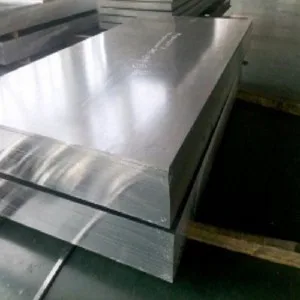
Aerospace aluminum is preferred because of high strength to weight ratio, ductility and resistance to corrosion. It is also non-magnetic. There is a wide range of variations in the compositions of alu…
Read More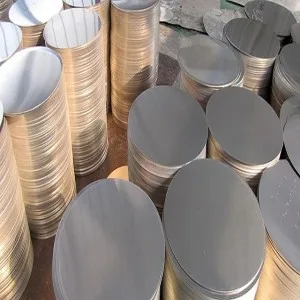
A1100 Non Stick Round Aluminum Sheet Circles A1050 A1060 Blank Aluminum Discs For Cooking Pan Aluminum circle, as aluminum disc, is normally with thickness from 0.3mm-10mm,…
Read More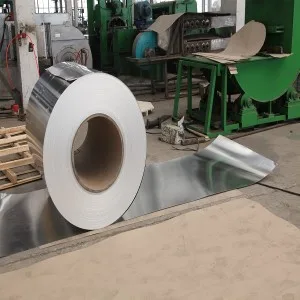
Aluminium Coil Aluminum Plate Sheet Supplier RAYIWELL MFG can supply Aluminum plate refering to the aluminum material with a thickness of more than 0.2mm to less than 500mm, a…
Read More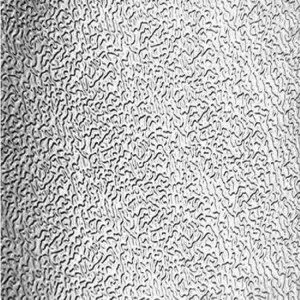
A stucco embossed finish is designed to have superior durability, reduce glare and reflectivity, and also to give aluminum a decorative finish. It is also a finish that can stand up to the elements wi…
Read MoreSheet selection
Compare sheet options by nominal thickness, thickness tolerance, alloy, temper and finish. Add flatness or forming requirements where they affect the finished part.
| Criterion | What To Check | Why It Matters | Buyer Tip |
|---|---|---|---|
| Nominal thickness and tolerance | Compare the specified thickness range with measurements at several points, including near the edges. | A nominal thickness alone may not tell you whether the sheet fits a slot or meets a minimum material requirement. | What minimum and maximum thickness can be supplied? |
| Stiffness over the installed span | Compare sheet thickness against the panel dimensions, support spacing and expected load. | A sheet that works in a small supported panel may flex too much across a wider opening. | Share the unsupported span and ask if the proposed thickness suits it. |
| Alloy and temper for forming | Confirm the alloy, temper and required bend radius together with the thickness. | Thickness affects bending, but the alloy and temper also determine how readily the sheet can be formed. | Send a drawing of the bends rather than specifying thickness alone. |
| Base metal versus finished thickness | Clarify whether the stated thickness refers to the aluminum substrate or the finished sheet after coating or anodizing. | Confusing the two can cause fit problems where clearance is tight. | Which thickness will be measured for acceptance: base metal or finished sheet? |
Nominal thickness is the size used to order sheet; actual thickness can vary within an agreed tolerance. If a part must fit a narrow slot or meet a minimum material thickness, specify the acceptable range rather than relying on the nominal value alone.
For anodized or embossed sheet, also clarify what is being measured. Base-metal thickness, coating thickness and the height of an embossed surface are different dimensions and may affect fit differently.
Start with the finished part. A wide panel with few supports may need more stiffness than a small, closely fastened cover. Increasing thickness can reduce flex, but it also increases weight and may change the forming method.
Consider alloy and temper alongside thickness. A sheet that suits a flat panel may not form a tight bend without cracking or springback concerns. Share the bend details if the part will be folded, drawn or rolled.
Check what the drawing requires at the edges and mating surfaces. Cut-size tolerance, flatness and thickness tolerance are separate requirements; a precise thickness alone will not ensure that a panel fits its frame. For perforated sheet, hole pattern and open area also change how the panel behaves.
Send SUZHOU TOP METAL MATERIALS CO.,LIMITED the application, finished dimensions and required thickness range. Ask which alloy, temper and surface options are suitable for the part before settling on a nominal thickness.
| Criteria | Importance | Description | Example Options |
|---|---|---|---|
| Panel stiffness versus weight | Affects flex and the weight of the finished assembly. | Compare a thicker flat sheet with a thinner sheet that gains stiffness from supports or formed edges. | A broad cover with few fasteners may call for a different design than the same-size cover supported along its edges. |
| Forming requirements | Critical where the sheet must bend or draw without defects. | Evaluate thickness together with alloy, temper and bend geometry; changing any one can affect the result. | A flat blank and a folded enclosure should not be selected on thickness alone. |
| Thickness tolerance | Important where clearance or minimum material thickness matters. | Distinguish the ordered nominal thickness from the acceptable range of actual thickness. | A sheet entering a close-fitting channel needs a defined maximum thickness. |
| Plain versus perforated sheet | Important for panels that must carry load or resist flex. | Hole pattern and open area affect panel behavior even when the base-metal thickness is unchanged. | A perforated guard may need a different support layout from a solid cover. |
Related Options
For an enclosure panel, prioritize stiffness across the unsupported area while checking that the sheet will still fit the frame and accept the required bends. The thickest option is not automatically the best fit.







5052 aluminum sheet and plate are flat-rolled aluminum-magnesium products considered for parts that need formability, corrosion resistance and moderate strength. Choosing the material means specifying…

Anodized aluminum sheet thickness can mean two different things: the thickness of the aluminum substrate and the thickness of the anodic oxide layer. They are not interchangeable. Substrate thickness …

Perforated aluminum sheet can provide a ventilation path, but open-area percentage is not an airflow or pressure-drop rating. Begin with the hole pattern, calculate the openings available after solid …

When buyers search for a reflective aluminum sheet manufacturer, the key challenge is usually not finding a supplier website. The more important question is whether the supplier can provide a product …

A request for 6061 0 aluminum sheet is a temper-specific purchasing question, not simply a request for generic 6061 sheet. That distinction matters when a buyer compares supplier quotations. TOP METAL…
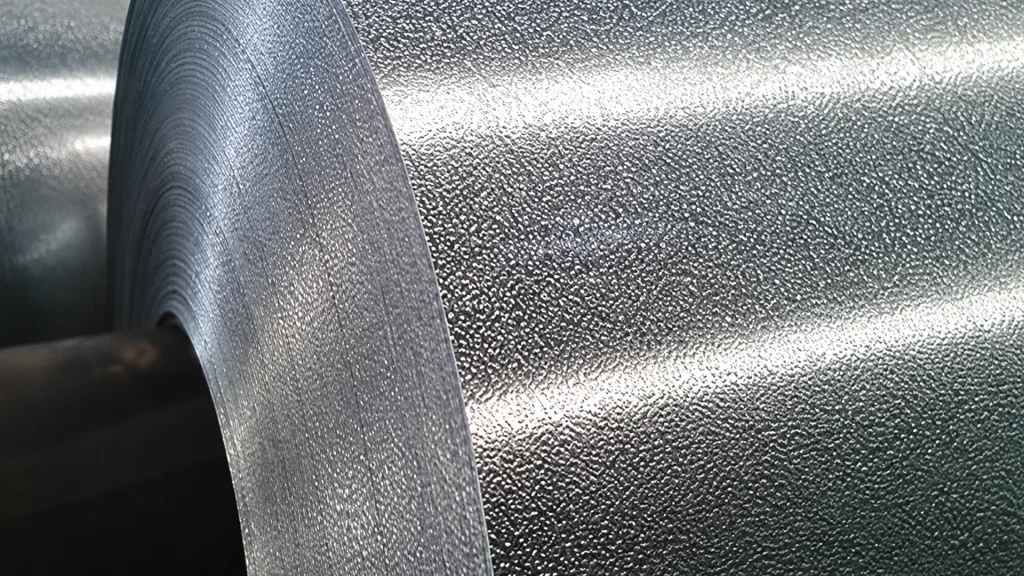
Stucco embossed aluminum sheet changes the surface appearance of insulation jacketing. Its irregular texture makes minor handling marks less conspicuous and reduces glare compared with a smooth finish…
Sometimes, but thickness is only one way to limit flex. A support or a formed edge may stiffen a panel without adding weight across its entire area; the best choice depends on the unsupported span and how the panel is fastened.
Do not rely on a gauge number alone. Specify thickness in millimeters or inches and confirm the applicable thickness tolerance, especially if the sheet must fit a mating part.
Not necessarily. Alloy and temper affect formability and springback, so a thickness that works for one sheet may not suit the same bend in another. Confirm the material choice against the required bend before substituting it.
Perforation does not define the base-metal thickness, but removing material changes the panel’s stiffness and weight. Compare hole size, spacing and open area alongside thickness, particularly for a panel that spans between supports.
Share the part dimensions, support and fastening layout, required bends and any weight or fit limits. Ask which thickness and tolerance range are suitable for that design rather than selecting a nominal size from the outside dimensions alone.
Tell us the application, finished sheet dimensions and required thickness or tolerance range. Include any bends or surface finish that could affect the choice.