
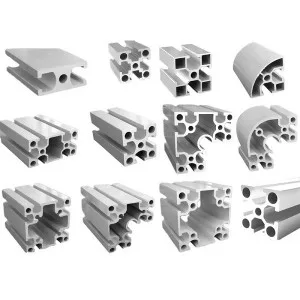
Custom aluminum profile manufacturer
Custom Aluminium profile is widely used in construction, machinery, industry, etc. Aluminium profiles are a great way to add both style and function to your home.
Read MoreThin Profile Aluminum Storefront Sourcing in China: Manufacturer, Factory and Supplier Guide | SUZHOU TOP METAL MATERIALS CO.,LIMITED
For bulk storefront programs, the main challenge is confirming that the profile, glass opening, finish, and installation configuration match the job before pricing is compared. This page helps operations managers review options from China Thin Profile Aluminum Storefront Manufacturer, Factory & Suppliers with a clearer specification checklist.
Use the products, guide notes, and inquiry prompts to organize dimensions, materials, accessories, packaging needs, and sample questions before contacting a factory or supplier.
Custom Aluminium profile is widely used in construction, machinery, industry, etc. Aluminium profiles are a great way to add both style and function to your home.
Read More
China brushed anodized aluminum sheet copper color anodising black aluminium plate Anodized aluminum sheet is a sheet metal product consisting of aluminum sheeting exposed to an electrolytic passivati…
Read More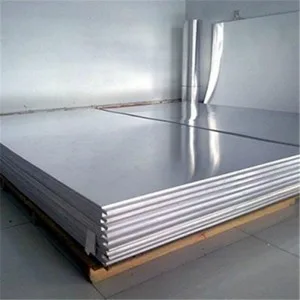
Aluminum plate price usually depends on the international aluminium alloy price and the production cost. The customers can search aluminium alloy price on the Internet and now the most authoritative p…
Read More
A stucco embossed finish is designed to have superior durability, reduce glare and reflectivity, and also to give aluminum a decorative finish. The stucco aluminum sheet is also a finish that can stan…
Read More
Plain 3003 Aluminium Alloy Plate Aluminum Roofing Coil For Trailer 3000 series aluminum Plate are widely used in construction,decoration,pipe, packing,automobile,air conditioner ,pot,containers,refrig…
Read More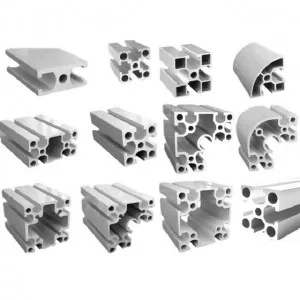
Aluminum profiles are products born from aluminum alloys bar that are transformed into shaped objects through the extrusion process. Extrusion alumium profiles are used in…
Read MoreThin Profile Storefront Product Guide
The related product list helps you compare China Thin Profile Aluminum Storefront Manufacturer, Factory & Suppliers by actual product direction rather than keyword wording alone. Check whether each product supports bulk purchasing evaluation, then use the table below to prepare a clearer RFQ.
| Criterion | What To Check | Why It Matters | Buyer Tip |
|---|---|---|---|
| Aluminum material | Confirm alloy, temper, and wall thickness. | Supports specification matching and RFQ clarity. | Request mill certificates or material documentation. |
| Profile dimensions | Verify width, height, length, and tolerance. | Prevents fit issues in bulk orders. | Send drawings with critical dimensions marked. |
| Storefront configuration | Define framing, glazing, door, and hardware needs. | Aligns the quote with the intended application. | List each component and required quantity. |
| Surface finish | Specify anodizing, powder coating, color, and gloss. | Helps compare finish requirements consistently. | Request finish samples before approval. |
| Quality and export review | Confirm inspection steps, packing, documents, and support. | Reduces order communication gaps. | Use a pre-shipment checklist and written confirmations. |
China Thin Profile Aluminum Storefront Manufacturer, Factory & Suppliers can support B2B buyers looking for slim aluminum storefront systems, but the best match depends on project drawings, required profile dimensions, surface finish, hardware compatibility, and order quantity.
For an operations manager, the right inquiry should confirm material grade, wall thickness, frame size, configuration, glazing requirements, packaging method, export documentation, sample availability, and after-sales communication before a bulk order is approved.
Start with a specification checklist. Confirm the storefront application, opening size, profile depth, visible face width, glass thickness range, finish color, corner structure, and any drainage or threshold requirements. If drawings are available, send them early so the supplier can check whether standard or customized profiles are needed.
Review material and production details before focusing on price. Ask about aluminum grade, surface treatment options, cutting tolerance, assembly method, matching accessories, and inspection steps. For quality review, request photos, sample sections, packaging examples, and clarification on how defects or mismatched components are handled.
Prepare RFQ information in a practical format. Include estimated quantity, destination port, preferred trade terms, timeline, packaging requirements, labeling needs, and whether the order is for a trial project, distributor stock, or repeat purchasing program. This helps the factory give a more relevant quotation.
When comparing supplier replies, look for clear answers rather than only low pricing. A reliable communication process should address technical details, custom options, lead time, sample questions, export order needs, and after-sales support for replacement parts or order follow-up.
| Criteria | Importance | Description | Example Options |
|---|---|---|---|
| Profile dimensions | High | Matches drawings and openings | Frame depth, wall thickness |
| Material details | High | Supports strength review | Alloy, temper, finish |
| Configuration fit | High | Aligns with storefront layout | Fixed, door, mullion |
| Quality review items | Medium | Checks consistency before order | Tolerance, surface, joints |
| Communication support | Medium | Improves RFQ clarity | Drawings, revisions, questions |
Recommended Products
Top product matches should be reviewed by fit, specification clarity, customization readiness, and how well they support specification checklist. Use these factors to shortlist practical options before contacting the supplier.





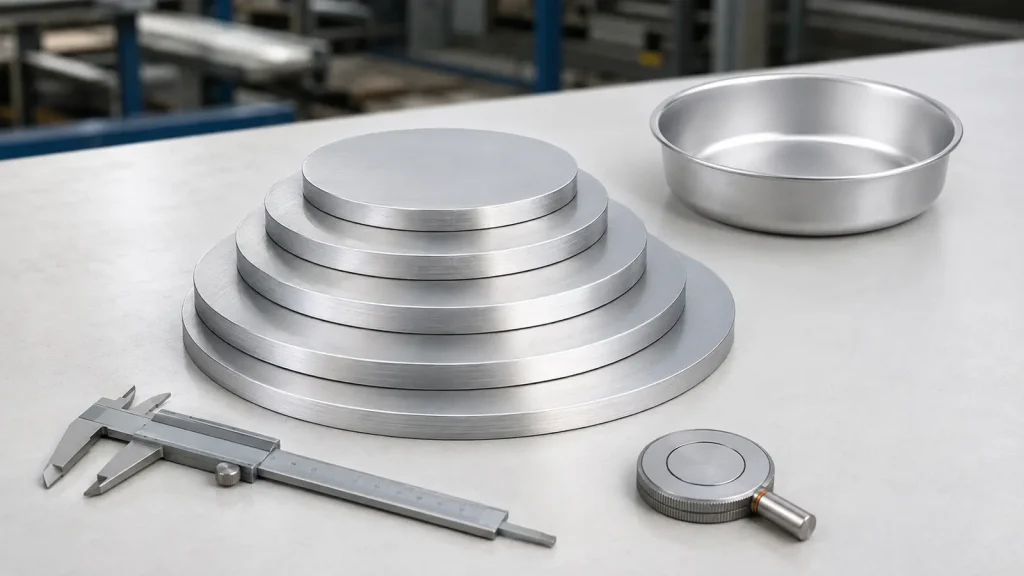
Direct Answer: Buyers should evaluate a versatile aluminum circle plate disc against the finished part and forming route, then confirm alloy, temper, thickness, diameter, dimensional tolerance, edge c…

Direct Answer: Buyers should ask an anodised aluminum sheet supplier China sourcing teams are reviewing to define the base alloy, temper, thickness, sheet size, anodizing sequence, finish, color-contr…
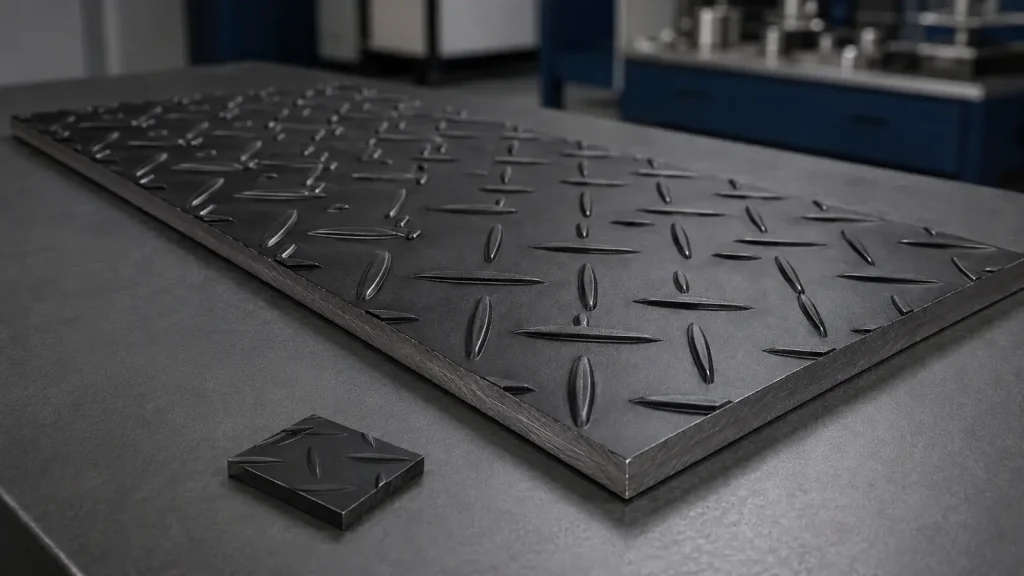
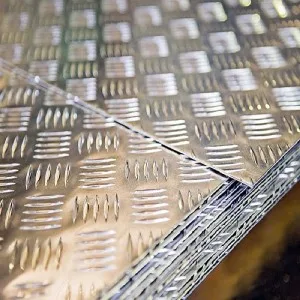
Buyers should evaluate black anodized aluminum tread plate as a complete material-and-finish specification, not as a black decorative surface alone. A workable purchase specification identifies the al…

Before production, buyers should freeze the 5083 aluminum coil’s governing material standard, temper, thickness and tolerance, width and edge condition, coil inside diameter, maximum outside dia…
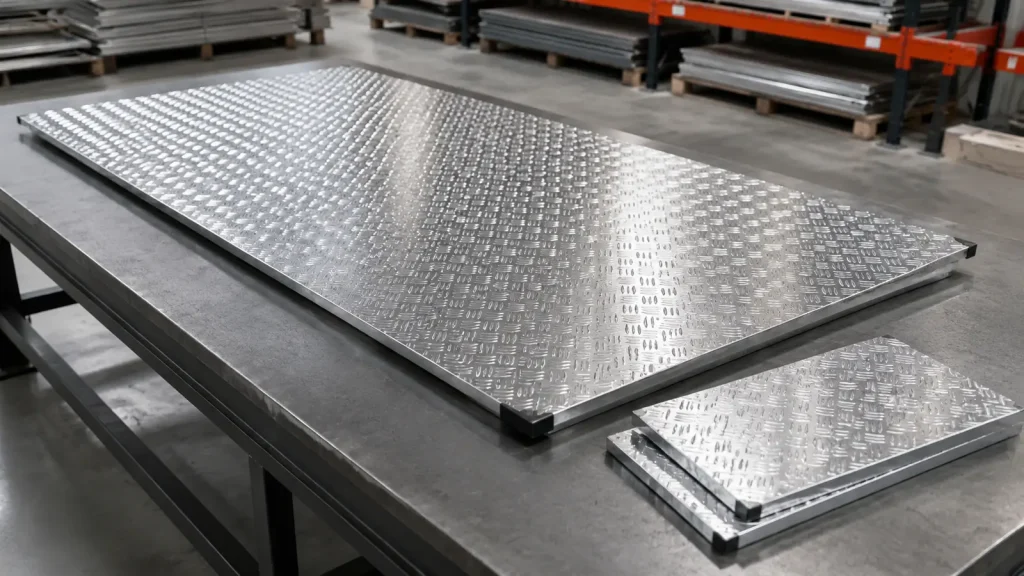
A 4×8 aluminum checkered plate order should define much more than nominal sheet length and width. Buyers need to state the alloy and temper, base-metal thickness, raised pattern, finished dimensi…
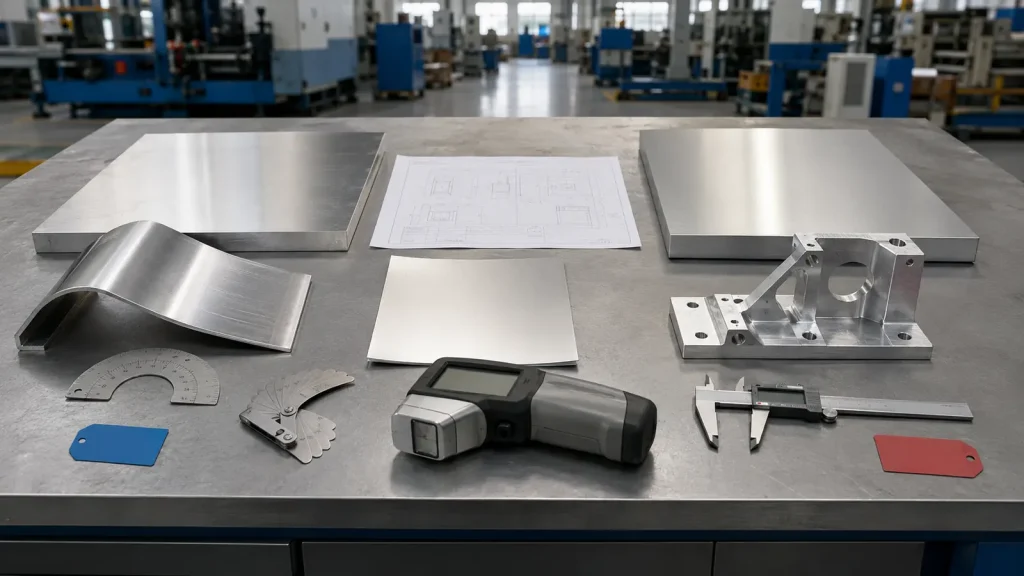
6061-T4 and 6061-T6 are not different aluminum alloys; they are different temper conditions of alloy 6061. Buyers should not treat T6 as a universally “better” version of T4. The correct t…
Buyer feedback and inquiry situations can help you compare supplier options, prepare RFQ questions, and review whether the available profiles match your project requirements.
I used this tag page to clarify thin profile aluminum storefront requirements before asking suppliers about frame depth, sightlines, finish options, and glazing compatibility.
I needed a slimmer storefront system for a commercial entry, and the page helped me frame questions around aluminum profiles, mullions, and installation drawings.
I referenced this when comparing thin profile aluminum storefront options because it kept my notes focused on appearance, structural fit, and hardware coordination.
I was preparing project notes for a glass entry area, and this helped me describe the thin aluminum storefront profile more precisely to suppliers.
Confirm alloy grade, profile wall thickness, surface finish, frame dimensions, glass compatibility, hardware interface, drainage design, and packing method. These details help match thin profile aluminum storefront systems to project drawings and installation requirements.
Ask for material descriptions, available alloy options, temper information, finish process, and profile cross-section drawings. Compare these with wind load expectations, door or fixed panel use, and local façade design requirements.
Request dimensional tolerance checks, surface inspection methods, corner joint review, finish consistency checks, and sample evaluation steps. Focus on measurable points that affect assembly accuracy, appearance, glazing fit, and long-term storefront performance.
Include required profile size, frame depth, color or finish, glass thickness range, opening configuration, mullion layout, hardware preparation, and packaging preference. Clear RFQ details reduce interpretation gaps during supplier quotation review.
Clarify how technical questions, drawing revisions, installation issues, replacement component identification, and documentation requests are handled after shipment. Ask which contact channel and response process will support future project coordination.
Share project drawings, installation environment, quantity estimate, finish expectations, glazing requirements, and destination standards to be considered. A structured question list helps suppliers respond with relevant technical options instead of general product descriptions.
Send your drawings, sizes, finish requirements, quantity, destination, and packaging needs so the supplier can review application fit and respond with practical next steps.