

Stucco Embossed Aluminum Sheet
A stucco embossed finish is designed to have superior durability, reduce glare and reflectivity, and also to give aluminum a decorative finish. The stucco aluminum sheet is also a finish that can stan…
Read MoreThunder Group Size Aluminum Sheet Pan Selection Guide | SUZHOU TOP METAL MATERIALS CO.,LIMITED
If you need an aluminum sheet pan to match a Thunder Group pan, start with the pan’s model or measured dimensions. “Thunder Group size” does not identify one pan size, and a nominal size may not tell you whether it fits your oven rack, tray cart or storage space.
The key decision is whether you need a finished, formed pan or aluminum sheet to make one. Sheet thickness and alloy matter for fabrication, but they do not replace the dimensions of the finished pan.
A stucco embossed finish is designed to have superior durability, reduce glare and reflectivity, and also to give aluminum a decorative finish. The stucco aluminum sheet is also a finish that can stan…
Read More
Mill Finish Aluminum Sheet Circle 1060 1070 1100 3003 Aluminum Plate For Cookware Aluminum circle 1050 1060 1070 3003 etc is mainly used in making cookware, like non-stick pan, pressure cooker, hardwa…
Read More
Deep Drawing Aluminum Sheet Circle 1050 1060 Aluminum Plate ASTM B209 Approved Deep drawing 1050 1060 ASTM B209 cookware use aluminium sheet circle Aluminum circle, as aluminum disc, is normally with …
Read More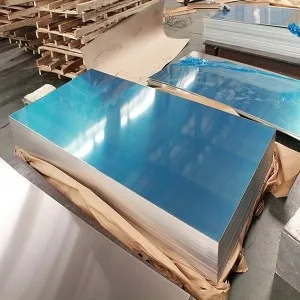
China aluminum sheet coil suppliers RAYIWELL MFG / RuiYi aluminum can offer 1050 1100 2024 3003 4017 5052 6061 7075 aluminum sheet or aluminum coil in custom sizes and patterns…
Read More
The next finer classification is the aluminium sheet standard sizes. Standard aluminium sheet sizes include aluminium sheet metal thickness, width and length. When ordering aluminum alloy sheet, custo…
Read More
1050 aluminum sheet is the most useful sort of series 1000 aluminum alloy. As a kind of pure aluminium sheet, 1050 aluminium sheet is excellent on corrosion resistance, thermal conductivity and electr…
Read MorePan and sheet selection
Compare outside rim size, usable base area and depth for a finished pan. For sheet stock, compare thickness, alloy, temper and finish against the planned forming process and intended use.
| Criterion | What To Check | Why It Matters | Buyer Tip |
|---|---|---|---|
| Pan size and oven fit | Compare the exact Thunder Group model’s outside length and width with your oven racks and storage space. | Names such as full or half sheet do not confirm that a pan fits a particular oven. | Ask for the model number and outside dimensions, including the rim. |
| Depth and usable area | Confirm the rim height and the flat interior area, not just the outside dimensions. | A higher rim helps contain liquids, while the interior area determines how much food fits in one layer. | Will the pan hold the portions you prepare without crowding? |
| Sheet thickness and stiffness | Request the aluminum thickness or gauge and compare pans at the same size. | Thickness affects weight and resistance to bending during handling. | Ask how the stated gauge is measured; gauge labels alone can be ambiguous. |
| Rim construction | Confirm whether the rim is reinforced and inspect how its corners are formed. | The rim affects handling, stacking and how the pan holds its shape. | If you already use these pans, compare the replacement rim with one that stacks properly. |
| Surface and intended use | Verify the surface finish and the seller’s stated guidance for food contact, cleaning and oven use. | A bare or treated surface can call for different handling and cleaning methods. | Ask whether the specific model suits direct food contact or is intended for use with a liner. |
For a finished pan, compare the outside rim dimensions first: the rim determines whether the pan slides into a rack or cart. Then check the usable flat area, depth and corner shape against the food or equipment it must hold. Two pans with similar nominal sizes can differ at the rim.
If you are sourcing sheet for pan fabrication, specify the required forming method before choosing an alloy and temper. Material that suits a flat tray may behave differently when drawn or bent into a rim. Confirm the intended food-contact use and surface finish rather than assuming any aluminum sheet is suitable.
Measure an existing pan at its widest outside points, including the rim, and record its depth. If the pan must fit a rack or oven, check the opening and clearance too. Ordering from the cooking-surface dimensions alone can leave you with a pan that will not fit.
Consider how the pan will be handled. A deeper pan holds more but may need more vertical clearance; a lower-profile pan may be easier to load and store. For repeated handling, ask how the proposed thickness and rim design affect stiffness without assuming a heavier sheet will solve every fit or warping problem.
For a replacement pan, ask for a dimensional drawing or a sample before treating it as interchangeable with a Thunder Group model. For fabrication stock, give the intended pan shape, forming steps and finish requirements so the material choice can be assessed against the process.
Send SUZHOU TOP METAL MATERIALS CO.,LIMITED the reference model or drawing and clarify whether you need a finished pan or sheet stock. Ask what form of material or product they can offer for that requirement.
| Criteria | Importance | Description | Example Options |
|---|---|---|---|
| Equipment fit | Critical when the pan must slide into an existing rack, cart or oven. | Compare the widest outside rim dimensions and available clearance, not just the nominal pan size. | Two pans called the same size may have different rim widths. |
| Usable area and depth | Important for loading food and preserving vertical clearance. | Check the flat base area, corner shape and depth against the intended task. | A deeper pan may hold more but leave less space between rack levels. |
| Finished pan or sheet stock | Determines what can be ordered and what fabrication remains. | A finished pan needs dimensional verification; sheet stock needs an identified forming process and material choice. | A flat sheet does not arrive with a formed rim. |
| Material and surface | Important when forming sheet or using the finished surface in contact with food. | For fabrication, assess thickness, alloy, temper and finish together rather than selecting by thickness alone. | Sheet chosen for a flat tray may not suit a pan with formed corners. |
Related Options
For a tray that must slide into an existing commercial rack, outside rim dimensions and clearance take priority over a familiar nominal size. Check those measurements before comparing material options.





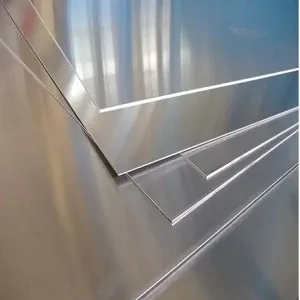

When buyers search for a reflective aluminum sheet manufacturer, the key challenge is usually not finding a supplier website. The more important question is whether the supplier can provide a product …

A request for 6061 0 aluminum sheet is a temper-specific purchasing question, not simply a request for generic 6061 sheet. That distinction matters when a buyer compares supplier quotations. TOP METAL…

5052 aluminum sheet and plate are flat-rolled aluminum-magnesium products considered for parts that need formability, corrosion resistance and moderate strength. Choosing the material means specifying…

Anodized aluminum sheet thickness can mean two different things: the thickness of the aluminum substrate and the thickness of the anodic oxide layer. They are not interchangeable. Substrate thickness …
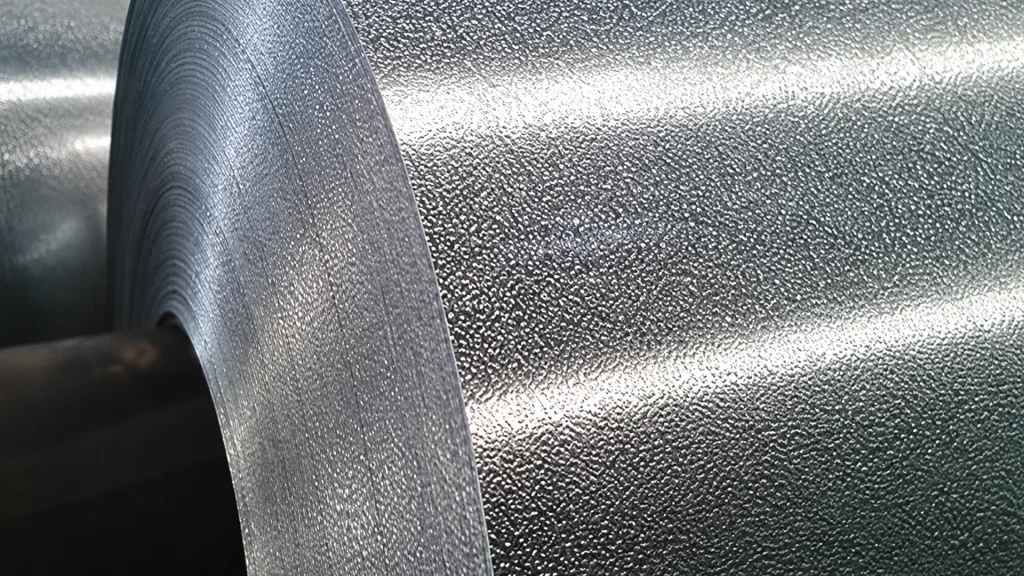
Stucco embossed aluminum sheet changes the surface appearance of insulation jacketing. Its irregular texture makes minor handling marks less conspicuous and reduces glare compared with a smooth finish…

Direct Answer: Buyers should ask an anodised aluminum sheet supplier China sourcing teams are reviewing to define the base alloy, temper, thickness, sheet size, anodizing sequence, finish, color-contr…
Not necessarily. Compare the pan’s widest outside rim measurements with the rack opening, and allow for the clearance needed to slide it in and out.
Flat sheet is an option if you have a fabrication process for forming the base, corners and rim. If you need a pan ready to use, ask for a finished pan and verify its dimensions against your reference model.
No. Thickness affects weight and stiffness, but the pan’s shape and rim construction also affect how it handles. For a formed pan, the alloy and temper must suit the planned bends or forming steps.
State the intended food-contact use and ask what material and surface finish are proposed. Do not assume that sheet sold for general fabrication is suitable for that use.
Send the Thunder Group model number if you have it, plus photos or a drawing showing the outside rim dimensions, depth and corner shape. Say what equipment the pan must fit and whether you need a finished pan or sheet for fabrication.
Share the Thunder Group model or a drawing with outside rim dimensions and depth, and say whether you need a finished pan or aluminum sheet for fabrication.