China Tight Tolerance Aluminum Coil Strip Manufacturer, Factory & Suppliers should be evaluated by how well they understand your required alloy, thickness, width, tolerance, surface, packaging, and end-use conditions. A useful supplier reply should connect the product details to your application instead of offering only a general catalog.
To get a more accurate response, prepare drawings, sample references, quantity range, delivery destination, inspection concerns, and any branding or packaging requirements. This helps both sides confirm whether the coil strip can match the project before price and lead time are discussed in detail.
Begin with the application fit. Confirm where the tight tolerance aluminum coil strip will be used, what forming or processing steps it will face, and which dimensions are critical. If the part must match an existing design, include drawings, tolerance tables, or physical sample notes in your inquiry.
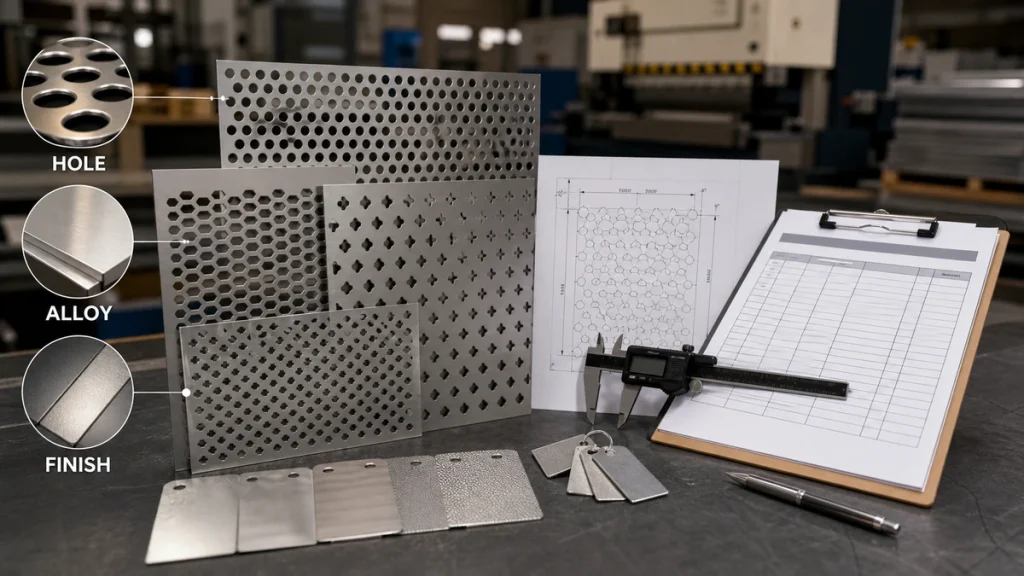
Build a specification checklist before comparing suppliers. Common points include alloy grade, temper, thickness, width, coil weight, edge condition, surface condition, protective film, inner diameter, and packaging method. If brand customization is required, describe logo, label, carton, pallet, or document requirements clearly.
For bulk order preparation, ask how samples, trial orders, and batch confirmation can be arranged. Share the expected order volume, shipment destination, target schedule, and approval process. This allows the supplier to respond with more relevant information about feasibility, quotation scope, and timing.
When reviewing supplier communication, pay attention to the questions they ask. A practical supplier should clarify unclear specifications, application details, packaging requirements, and lead-time concerns. This reduces the risk of mismatched expectations and supports better project consistency from sample stage to repeat orders.