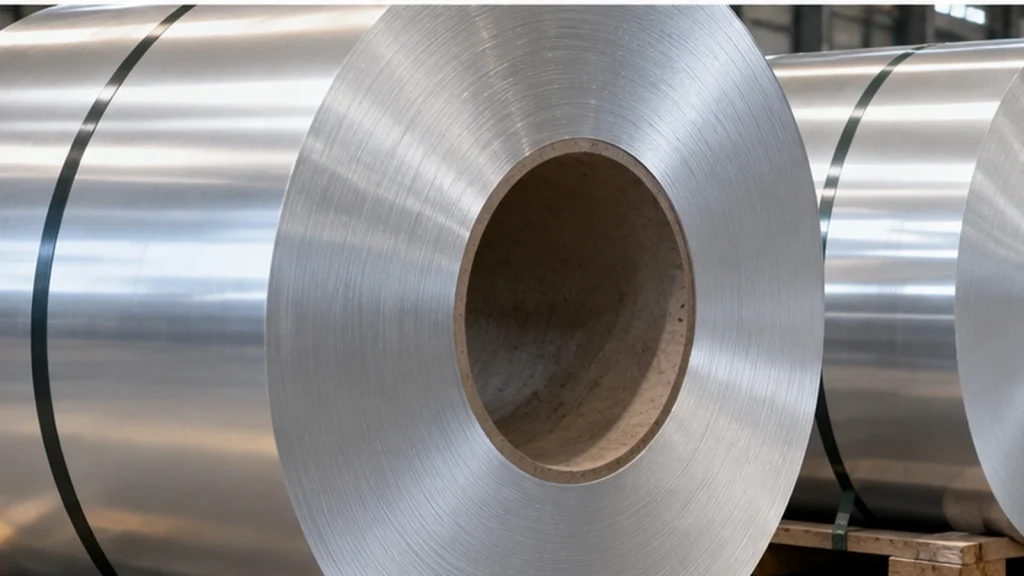
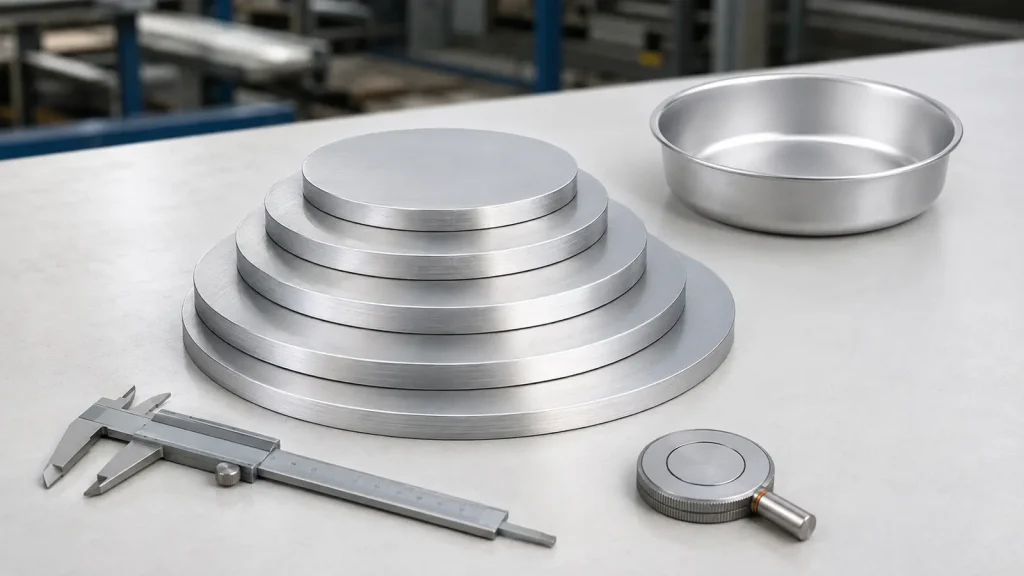
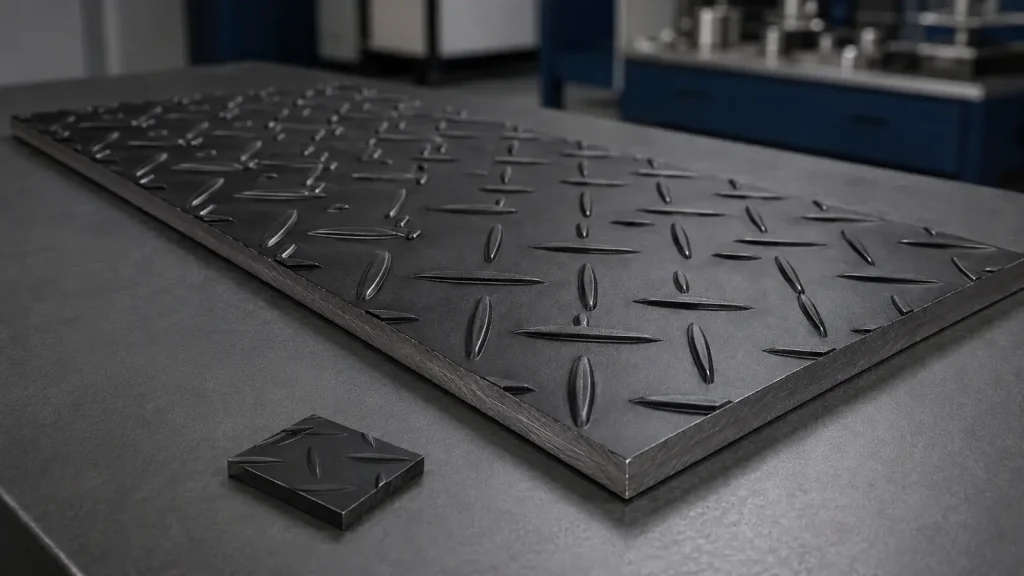
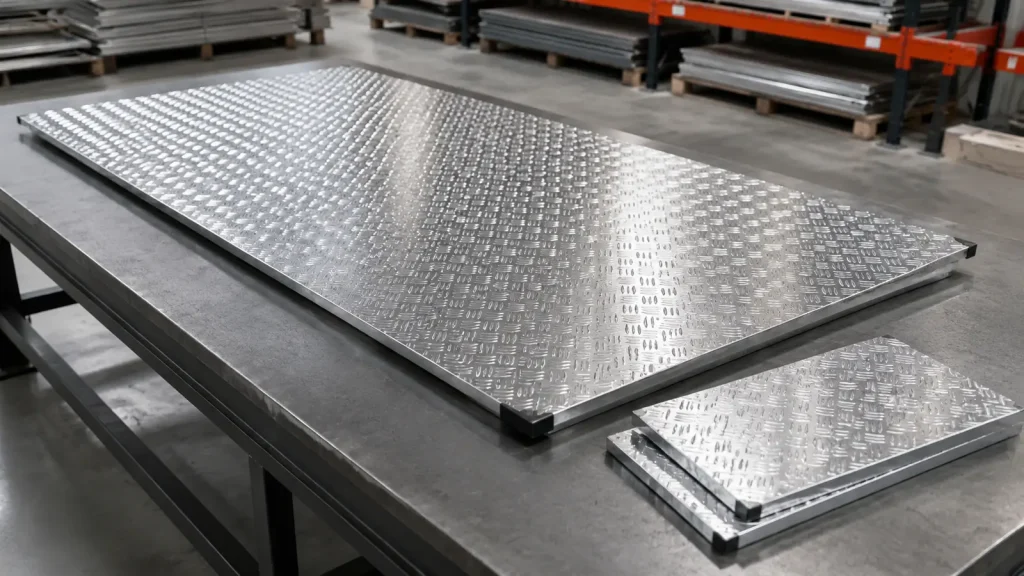
To evaluate China US Aluminum Coil Company Capf3137bcaa Manufacturer, Factory & Suppliers, compare application fit, material specifications, customization options, sample procedures, communication, and order preparation requirements. A useful supplier comparison should connect the coil specification with your OEM product and production plan.
Before sending an RFQ, provide the intended application, required dimensions, quantity range, destination, packaging expectations, target schedule, and sample approval criteria. This gives suppliers a practical basis for confirming feasibility and preparing a comparable response.
Begin with the application. Identify whether the coil will be formed, coated, laminated, slit, or used in another OEM process, then list the required alloy, temper, thickness, width, coil weight, surface condition, and tolerance. Mark which requirements are fixed and which may be adjusted after sample review.
Define the customization scope before comparing prices. Ask whether the supplier can review drawings, match a reference sample, support requested dimensions, apply agreed identification marks, and provide samples for approval. Request written confirmation of any limits instead of assuming that a catalog specification covers your project.
Prepare a complete RFQ with estimated trial and bulk quantities, delivery location, preferred Incoterm, target timing, inspection needs, documents, and packaging instructions. For export orders, clarify coil protection, labeling, pallet or container requirements, and how the approved sample will be referenced during production.
When reviewing supplier replies, compare response clarity as well as commercial terms. Check whether each quotation identifies material and dimensional details, sample lead time, bulk lead time, payment conditions, packaging, and open questions. A structured comparison makes it easier to select a workable shortlist for OEM approval.