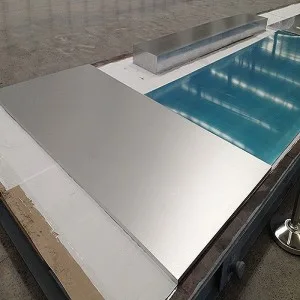
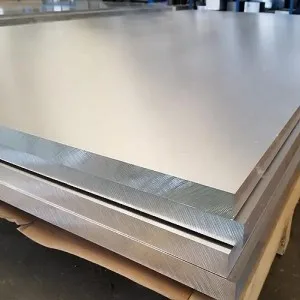
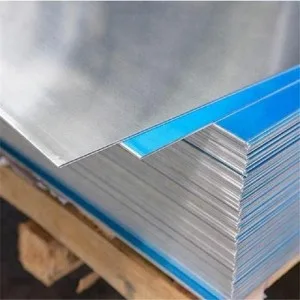
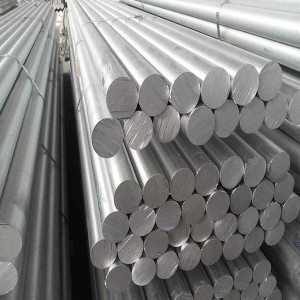
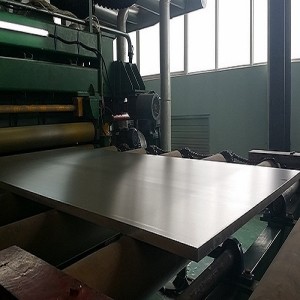
China Weight Of Aluminum Sheet Metal Manufacturer, Factory & Suppliers should be evaluated by how clearly they can support your required sheet size, alloy, thickness, surface finish, and order quantity. Weight information is useful for cost estimation, packing planning, shipping review, and installation preparation.
Before sending an RFQ, prepare your application details, target dimensions, quantity range, destination, packaging expectations, and sample confirmation needs. This helps the supplier reply with a more practical quotation instead of only sending a general product list.
Start with the application. Confirm whether the aluminum sheet metal will be used for fabrication, enclosure parts, panels, decoration, machinery, transport-related components, or another purpose. The expected use affects thickness, finish, tolerance questions, and whether weight per sheet or weight per batch is needed.
For RFQ preparation, include alloy or grade if known, thickness, width, length, surface requirements, quantity, destination port or address, and preferred packing method. If your team is comparing related products, also ask whether coils, plates, strips, or processed sheets are more suitable for your order.
Lead-time questions should be practical. Ask about sample availability, production timing after confirmation, packing schedule, and documentation needed for export. If the order is repeated or project-based, explain the approval process so the supplier understands whether a sample, drawing, or specification sheet must be confirmed first.
When reviewing replies, look beyond unit price. Compare whether the supplier answers installation, usage, packaging, and after-sales questions clearly. A good sourcing conversation should help your team reduce uncertainty before placing a bulk order.