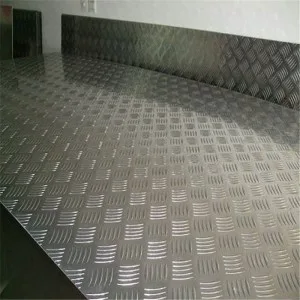
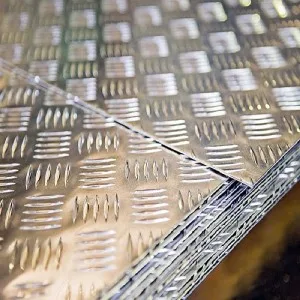
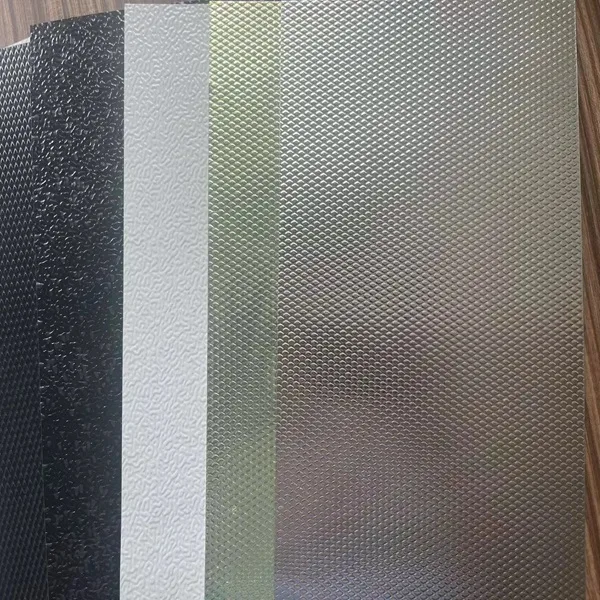
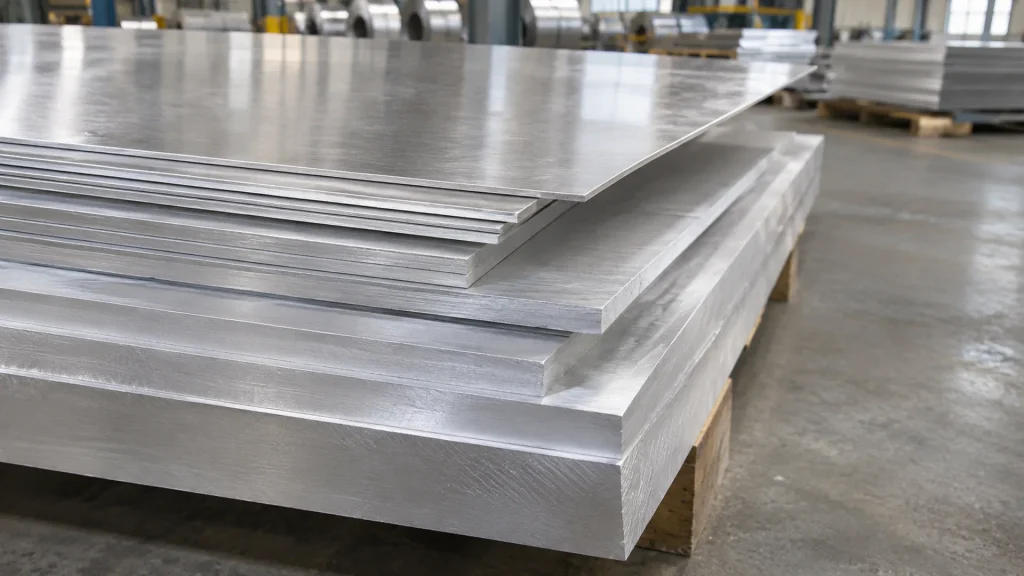
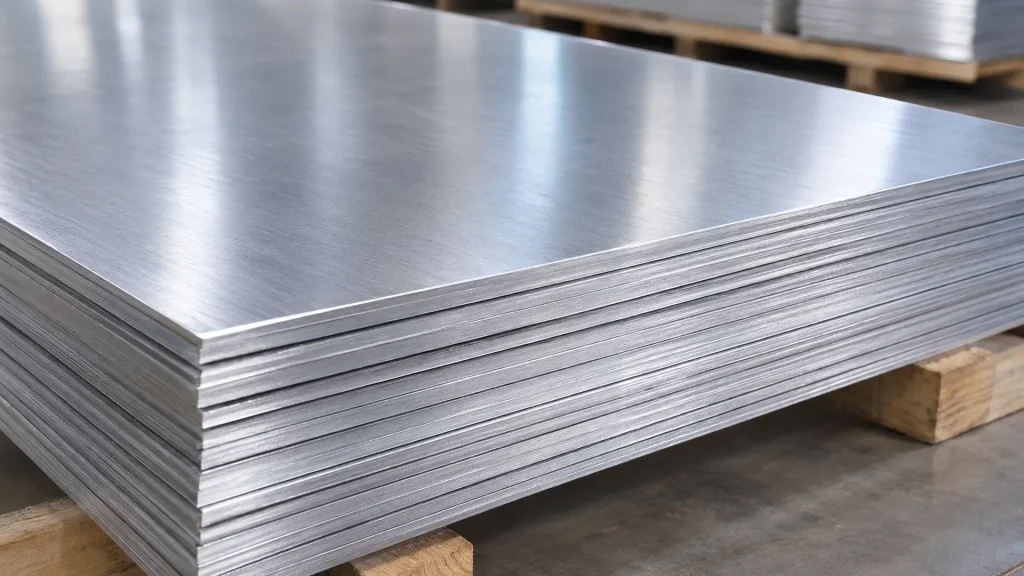
A bright finish is not necessarily the right reflective finish. A smooth, specular surface produces a more distinct reflection, while a more diffuse surface spreads reflected light. Ask the manufacturer which finish matches your application and how its appearance will be assessed across the order.
Also separate surface choice from fabrication choice. The sheet’s alloy, temper and thickness affect forming and stiffness, while the finish and any coating affect the visible surface. If parts will be bent or cut, confirm that the proposed combination suits the finished part—not just the flat sample.
Start with the installed use. For visible cladding or display panels, check color consistency, surface marks and the viewing conditions under which parts will sit side by side. For reflectors, describe the fixture or assembly and the reflection you need; appearance alone may not establish optical fit.
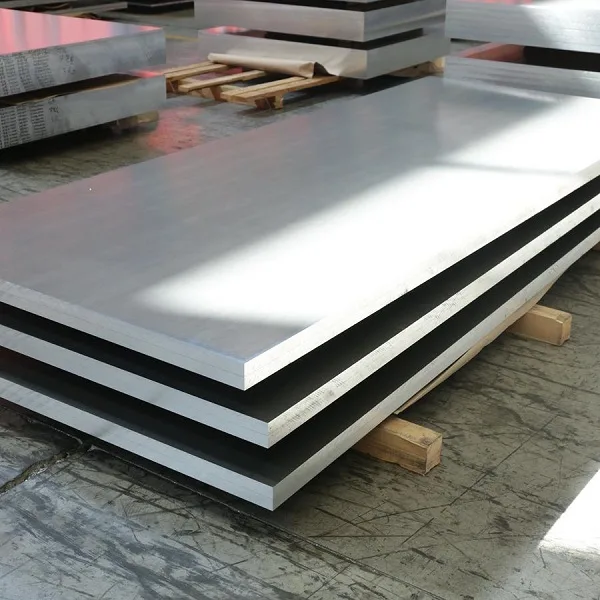
Decide whether to buy full sheets or cut blanks. Blanks can reduce work at your site, but cutting introduces edge and dimensional requirements. Give suppliers the finished-part drawing if hole positions, bends or exposed edges matter.
Agree how the surface will be protected through handling and delivery. Ask about protective film, packing and the point at which film should be removed. A common mistake is approving a clean sample without defining how scratches, dents or finish variation will be judged on delivered sheets.
Before placing a wholesale order, request a sample representative of the proposed finish and ask how subsequent batches will be compared with it. Confirm the order quantity, sheet or blank dimensions and any fabrication steps so the proposed material can be checked against the actual job.