China Manufacturer Inquiry: 24-by-24-Inch Aluminum Sheet | SUZHOU TOP METAL MATERIALS CO.,LIMITED

China Manufacturer Inquiry for 24-by-24-Inch Aluminum Sheet

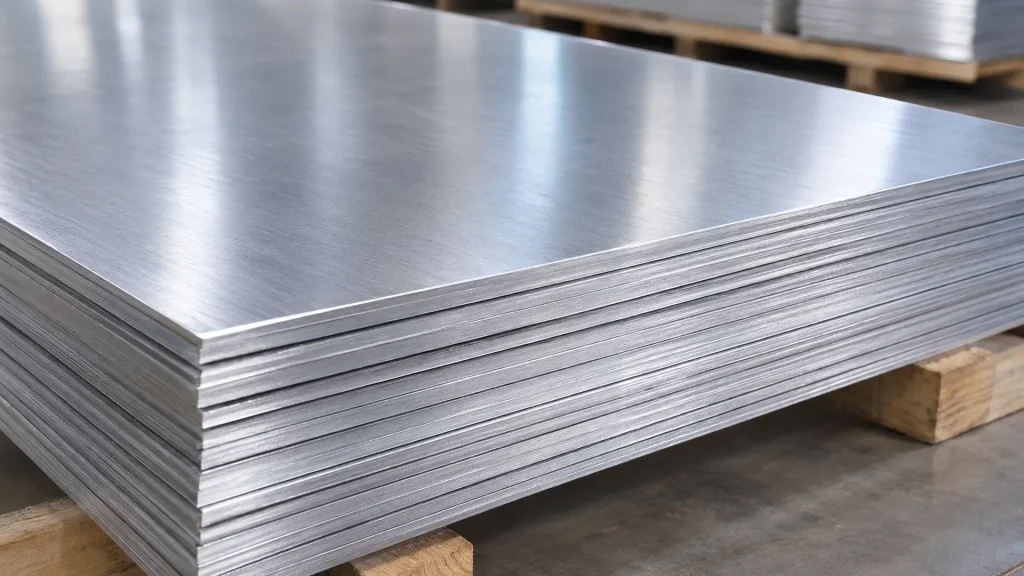
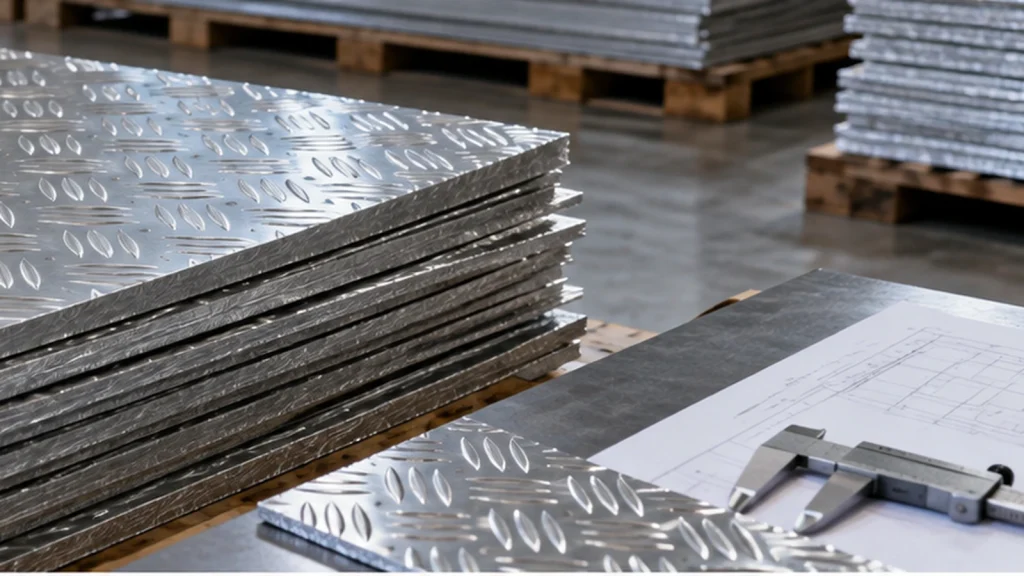
A 24 inch by 24 inch aluminum sheet metal panel is a convenient size for a cover, enclosure face or small fabrication job. The key decision is not just the square size: thickness, alloy and temper determine how the panel will bend, hold its shape and take a finish.

Related Products

Thick Aluminum Sheet

Thick Aluminum Sheet

The next finer classification is the aluminium sheet standard sizes. Standard aluminium sheet sizes include aluminium sheet metal thickness, width and length. When ordering aluminum alloy sheet, custo…

Read More
Stucco Embossed Aluminum Sheet

Stucco Embossed Aluminum Sheet

A stucco embossed finish is designed to have superior durability, reduce glare and reflectivity, and also to give aluminum a decorative finish. The stucco aluminum sheet is also a finish that can stan…

Read More

Select a sheet for the job

Material choices

Compare a proposed 24-inch-square sheet by its alloy and temper, stated thickness, cut-size tolerance and surface condition. Those details establish whether it is a workable blank or a panel ready for your next assembly step.

Criterion What To Check Why It Matters Buyer Tip
Finished size and tolerance Confirm that 24 by 24 inches is the finished cut size, and ask for the length and width tolerances. A nominal square may not fit a frame or align with mounting holes. For an order from China, ask the supplier to quote the finished size rather than just the blank size.
Thickness Specify thickness in inches or millimeters and confirm the tolerance; do not rely on gauge alone. Thickness affects stiffness, weight and fit in slots or brackets. Ask the manufacturer which thickness tolerance applies to the quoted sheet.
Alloy and temper State whether the sheet will be bent, formed or used flat, then confirm the proposed alloy and temper. A sheet suited to a flat panel may not be the best choice for a tight bend. If bending matters, give the factory the intended bend direction and radius to review.
Surface finish Confirm the required finish, which face will be visible and whether protective film is needed. Scratches and finish variation matter more on exposed panels than on concealed parts. Tell the supplier if the sheet will be anodized or painted after cutting.
Cut edges and flatness Ask how edges are finished and what flatness condition applies to the cut square. Burrs complicate handling, while a bowed sheet may not sit flush. If the sheet must lie against a frame, describe that fit before ordering.

Specify the cut and finish

A nominal 24-by-24-inch sheet is not necessarily a finished part. If it must fit inside a frame or align with mounting holes, specify the acceptable length and width tolerance, edge condition and any required hole locations. If you plan to cut it to shape, a square blank may be enough; if it will be installed as delivered, those details matter much more.

Choose thickness from the job the panel must do. A thinner sheet is easier to form but may flex across an unsupported opening; a thicker one offers more rigidity but adds weight and may call for different fabrication methods. Give thickness in inches or millimeters rather than relying on gauge alone.

Match alloy and temper to the work after delivery. A panel intended for bending has different priorities from one that needs to stay flat as a cover. Tell the manufacturer in China about bends, cutouts or visible faces so it can confirm suitable material options rather than quoting on size alone.

Decide which surface and edges you need before comparing suppliers. A decorative face may need a specified finish and protection in transit, while a concealed panel may not. Ask how cut edges are supplied, especially if the sheet will be handled or fitted without further finishing.

For a small batch, ask whether a factory can supply cut-to-size blanks and what dimensional tolerance it can confirm. Send a drawing if the panels need holes, rounded corners or a particular grain direction; otherwise, a simple sketch with quantity, thickness and intended use is a practical starting point.

Criteria Importance Description Example Options
Thickness and support Critical when the panel spans an opening or must retain its shape. Compare stated thickness alongside the unsupported span and mounting arrangement; thickness alone does not determine how the installed panel will behave. A cover supported on all four edges has different stiffness requirements from one fixed along only one edge.
Alloy and temper Important if the sheet will be bent or formed after purchase. A forming-friendly material may be preferable for bends, while a different alloy and temper may suit a panel that stays flat. Confirm the proposed grade before approving a substitute. A bent enclosure face and a flat cover need not use the same temper.
Solid or perforated sheet Application-dependent; openings change both function and rigidity. A solid panel blocks an opening, while a perforated panel permits airflow or drainage. Hole pattern and open area matter if ventilation is the goal. An equipment vent may need perforations; a splash cover may need a solid face.
Surface condition and finish Especially important for visible or handled panels. Compare an unfinished surface with a specified decorative or protective finish, and state which face will remain visible. Check how that face will be protected in transit. A concealed internal panel may accept a different surface condition from an exposed enclosure front.
Blank versus finished-size panel Essential when the sheet must fit an assembly without further cutting. A nominal square blank and a panel cut to a drawing are different purchasing requirements. Confirm length and width tolerances, flatness needs and edge condition where fit matters. A fabrication blank can leave trimming allowance; a frame insert needs confirmed finished dimensions.

Blog Articles / Reviews

Frequently Asked Questions

Can a 24-inch-square sheet be used as an outdoor cover?

It can be, but the right alloy and finish depend on exposure, appearance requirements and how the cover is mounted. Tell the supplier if it will face weather, frequent cleaning or contact with other materials, and ask which material and finish they propose.

Should I choose a solid sheet or a perforated one?

Choose a solid sheet when the panel needs to shield contents or provide an uninterrupted face. Perforations can provide ventilation or drainage, but they change stiffness and leave an open path through the panel; specify the hole pattern if airflow matters.

Does the same gauge number always mean the same thickness?

No. Gauge can be interpreted differently across material systems, so it is a poor substitute for a stated thickness. Put the required thickness and acceptable tolerance in inches or millimeters on the order.

If the panel will be anodized, which thickness should I specify?

Specify the base-metal thickness separately from the surface finish. If the finished panel must fit a close-clearance assembly, ask the supplier to confirm how the proposed finish affects the final dimensions.

What should I confirm before ordering cut panels rather than larger sheets?

Ask whether the quoted item is a nominal square blank or a cut panel made to your stated dimensions and tolerances. Confirm the edge condition, quantity and packaging needed to protect any visible face during transit.

Leave Your Message

Tell SUZHOU TOP METAL MATERIALS CO.,LIMITED the thickness, quantity and intended use of your 24-by-24-inch panels. Include a drawing if cut tolerance or edge details matter.