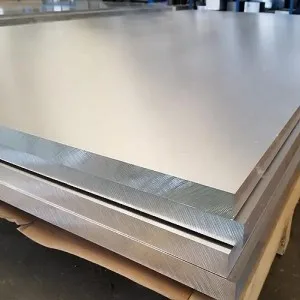
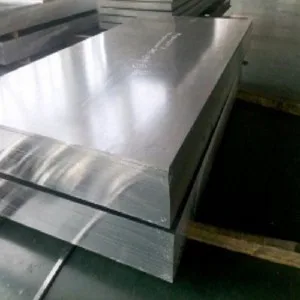
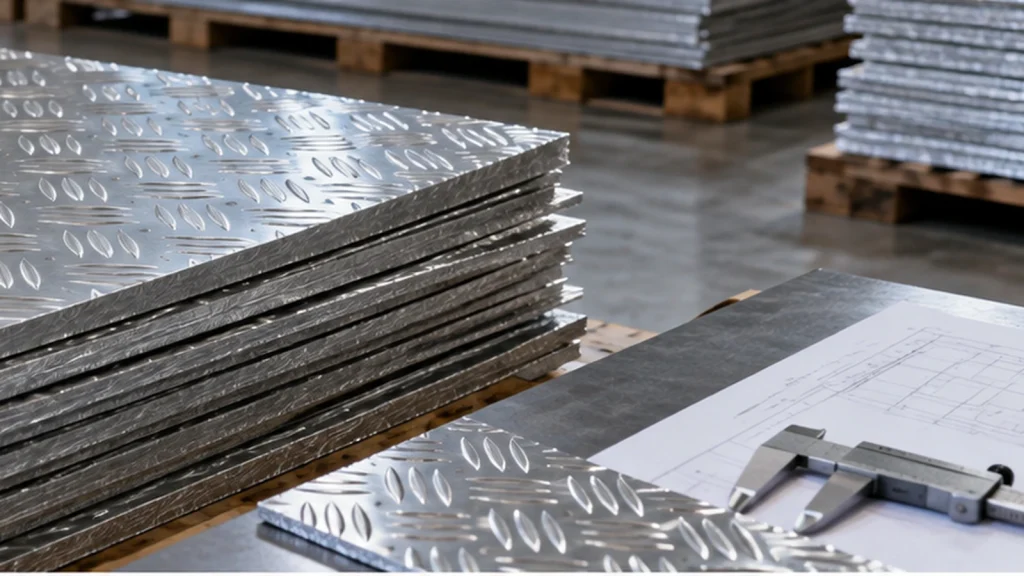
China 2618 Aluminum Sheet Manufacturer, Factory & Suppliers should be evaluated by how well they can match your required alloy, thickness, width, length, temper, surface condition, and packing method. For an operations manager, the best starting point is a specification checklist rather than a general catalog request.
When sending an inquiry, include usage background, quantity range, destination, preferred delivery schedule, and any inspection or sample requirements. This helps the supplier confirm feasibility, discuss custom options, and prepare a more accurate quotation.
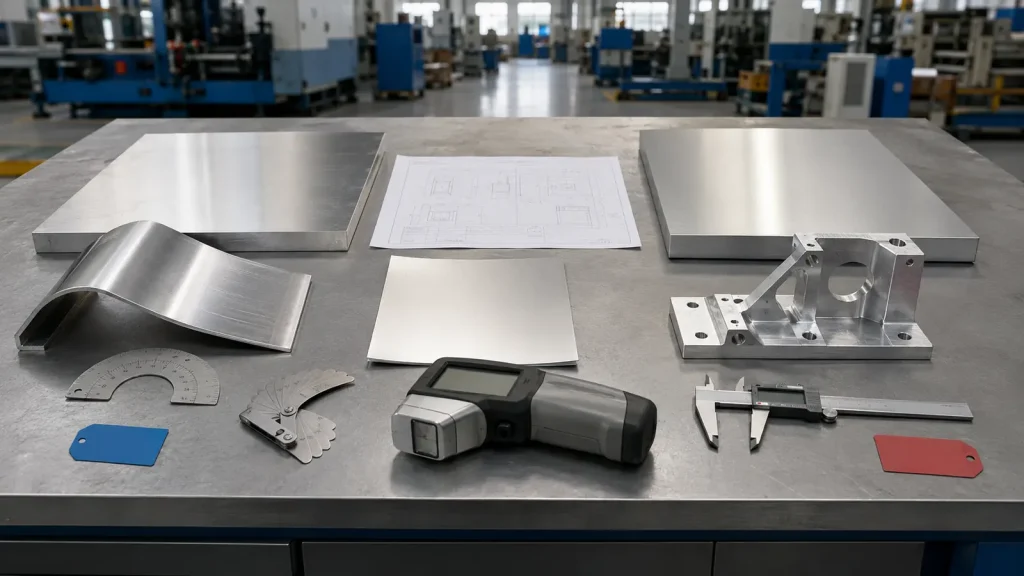
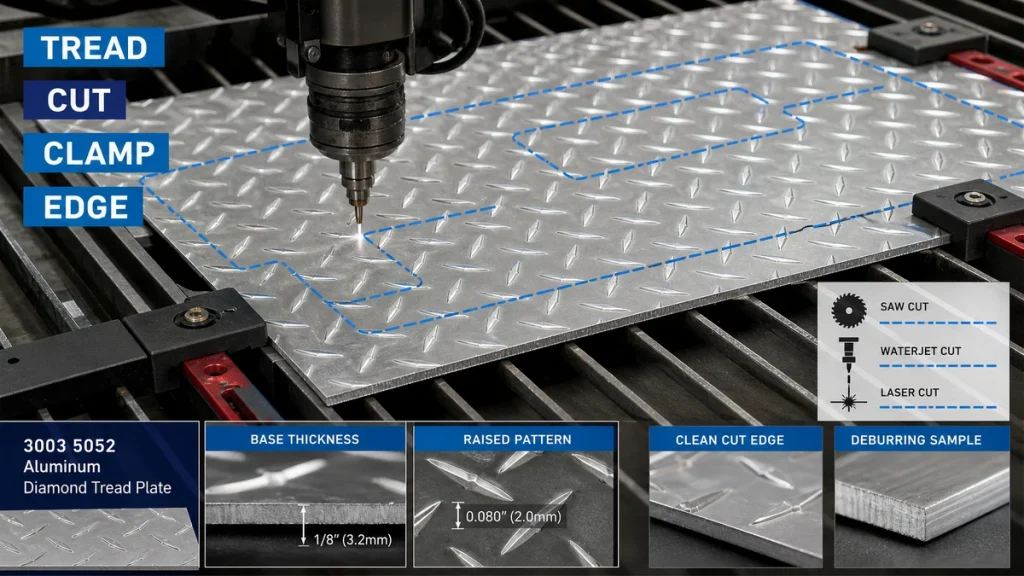
Begin with the technical basics: alloy grade, temper, thickness tolerance, sheet size, surface requirements, and whether the sheet will be cut, machined, formed, or further processed. If drawings or sample references are available, attach them so the supplier can review configuration details early.
For bulk purchasing, confirm order volume, batch consistency expectations, packaging requirements, pallet details, labeling needs, and export documentation questions. These details affect quotation preparation and help reduce back-and-forth during supplier communication.
Ask about available size ranges, custom cutting options, sample arrangements, inspection process, and estimated lead time. If timing is important, separate sample lead time, production lead time, and shipping preparation so each stage can be reviewed clearly.
When comparing supplier replies, look for precise answers to your checklist. A useful response should address material matching, size feasibility, packaging, quotation basis, and any questions that must be confirmed before placing a bulk order.