

1100 1060 alloy qualicoat aluminum perforated sheet
The qualicoated aluminum perforated sheet is from a certified powder coating applied to the aluminum surface, meeting strict international standards, and it provides…
Read More48 x 96 Perforated Aluminum Sheet Sourcing in China: Manufacturer, Factory and Supplier Guide | SUZHOU TOP METAL MATERIALS CO.,LIMITED
Use this page to evaluate China 48 X 96 Perforated Aluminum Sheet Manufacturer, Factory & Suppliers from the perspective of sample approval workflow. It brings together related products, practical selection checks, and buyer questions so your inquiry can be more specific from the beginning.
For a wholesale buyer, the most useful starting point is application fit and specification clarity. Review the product matches, comparison notes, FAQs, and recent buyer-style feedback before sending final requirements.
The qualicoated aluminum perforated sheet is from a certified powder coating applied to the aluminum surface, meeting strict international standards, and it provides…
Read More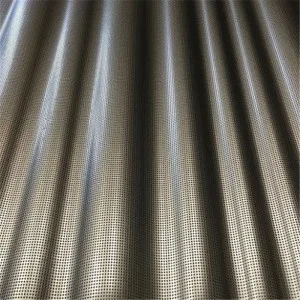
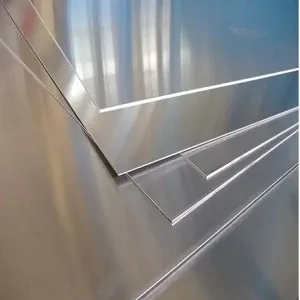
Aluminum sheet plate is widely used, including various industries in our society. Ordinary aluminum alloy plate through some simple processing, can play a more extensive role….
Read More
Deep Drawing Aluminum Sheet Circle 1050 1060 Aluminum Plate ASTM B209 Approved Deep drawing 1050 1060 ASTM B209 cookware use aluminium sheet circle Aluminum circle, as aluminum disc, is normally with …
Read More
China brushed anodized aluminum sheet copper color anodising black aluminium plate Anodized aluminum sheet is a sheet metal product consisting of aluminum sheeting exposed to an electrolytic passivati…
Read More
Low Strength 1100 H14 Aluminum Sheet 0.2mm-30mm Mill Finish Aluminum Sheet
Read More
1050 aluminum sheet is the most useful sort of series 1000 aluminum alloy. As a kind of pure aluminium sheet, 1050 aluminium sheet is excellent on corrosion resistance, thermal conductivity and electr…
Read MoreProduct Guide
The related product list helps you compare China 48 X 96 Perforated Aluminum Sheet Manufacturer, Factory & Suppliers by actual product direction rather than keyword wording alone. Check whether each product supports sample approval workflow, then use the table below to prepare a clearer RFQ.
| Criterion | What To Check | Why It Matters | Buyer Tip |
|---|---|---|---|
| Sheet size clarity | Confirm 48 x 96 in tolerance | Avoid sample mismatch | State inch/mm on RFQ |
| Hole specification | List hole dia, pitch, pattern | Defines application fit | Attach drawing if possible |
| Aluminum grade | Compare alloy and temper | Affects forming and use | Ask for data sheet |
| Surface finish | Confirm mill, anodized, coated | Impacts appearance and corrosion | Request finish sample |
| Supplier support | Review sample, QC, packing terms | Reduces order risk | Use one checklist |
A suitable 48 x 96 perforated aluminum sheet supplier should be evaluated by specification clarity, application fit, customization options, and response quality. For wholesale buyers, the best inquiry includes the intended use, sheet size, thickness, hole design, surface finish, order volume, and destination.
This page helps you turn a broad supplier search into a focused RFQ. You can compare product options, prepare sample questions, and confirm technical details before making a purchasing decision.
Start with the application. Tell the supplier whether the perforated aluminum sheet is for screening, decoration, ventilation, enclosure panels, ceiling use, facade work, or another project. Application details help confirm the right thickness, perforation pattern, open area, flatness expectations, and finish.
Before requesting a quotation, prepare the basic specifications. Include 48 x 96 sheet size, aluminum grade if required, thickness, hole diameter, hole spacing, pattern type, surface treatment, tolerance needs, packaging request, and estimated order quantity. If you are not sure, ask the supplier to compare available options.
For sample approval workflow, confirm what sample size can be provided, whether the sample matches mass production material, and how finish or perforation details will be checked. Share drawings, photos, or reference panels if your buyer or project team needs visual confirmation before bulk ordering.
When comparing suppliers, look beyond unit price. Review how clearly each supplier answers technical questions, whether they confirm production feasibility, how they handle inspection details, and whether after-sales communication is practical for export orders and repeat purchasing.
| Criteria | Importance | Description | Example Options |
|---|---|---|---|
| Specification clarity | High | Reduces quotation gaps | Alloy, thickness, hole pitch |
| Sample workflow | High | Confirms bulk reference | Approved sheet sample |
| Application fit | High | Matches functional needs | Ventilation or screening |
| Customization options | Medium | Supports project planning | Pattern, margin, finish |
| Quality review points | Medium | Controls acceptance checks | Flatness, burrs, surface |
Recommended Products
Top product matches should be reviewed by fit, specification clarity, customization readiness, and how well they support supplier comparison. Use these factors to shortlist practical options before contacting the supplier.





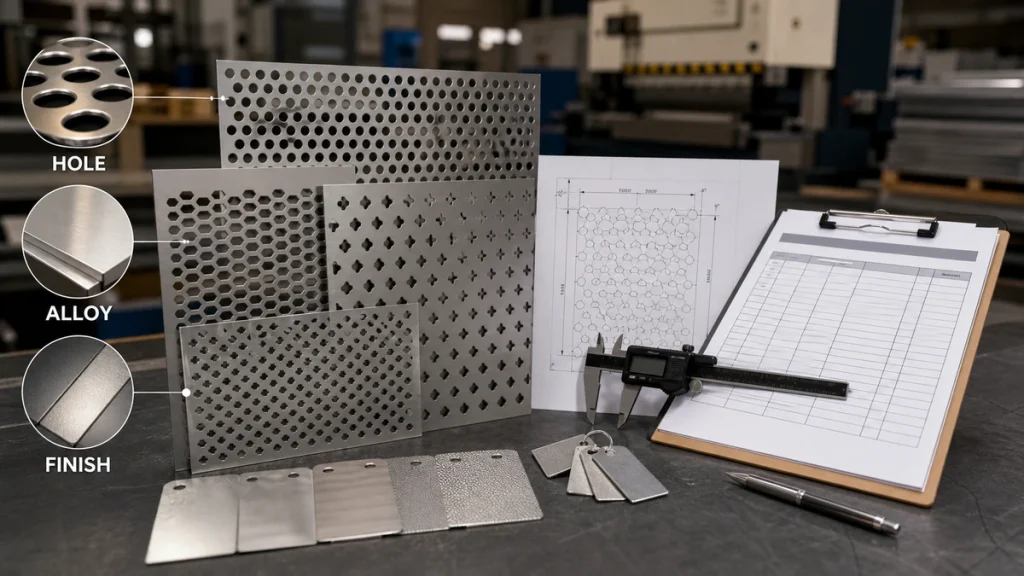
Buyers should send the required alloy, temper, thickness, sheet size, hole shape, hole size, pitch, pattern orientation, open area, blank margins, tolerances, finish, flatness, burr direction, drawing…

Direct Answer: Buyers should ask an anodised aluminum sheet supplier China sourcing teams are reviewing to define the base alloy, temper, thickness, sheet size, anodizing sequence, finish, color-contr…
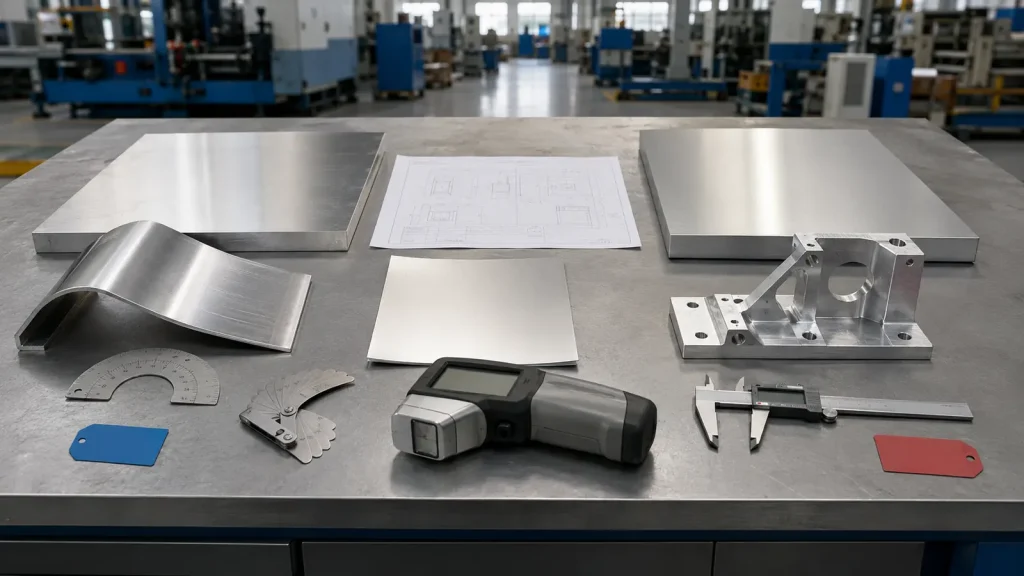
6061-T4 and 6061-T6 are not different aluminum alloys; they are different temper conditions of alloy 6061. Buyers should not treat T6 as a universally “better” version of T4. The correct t…
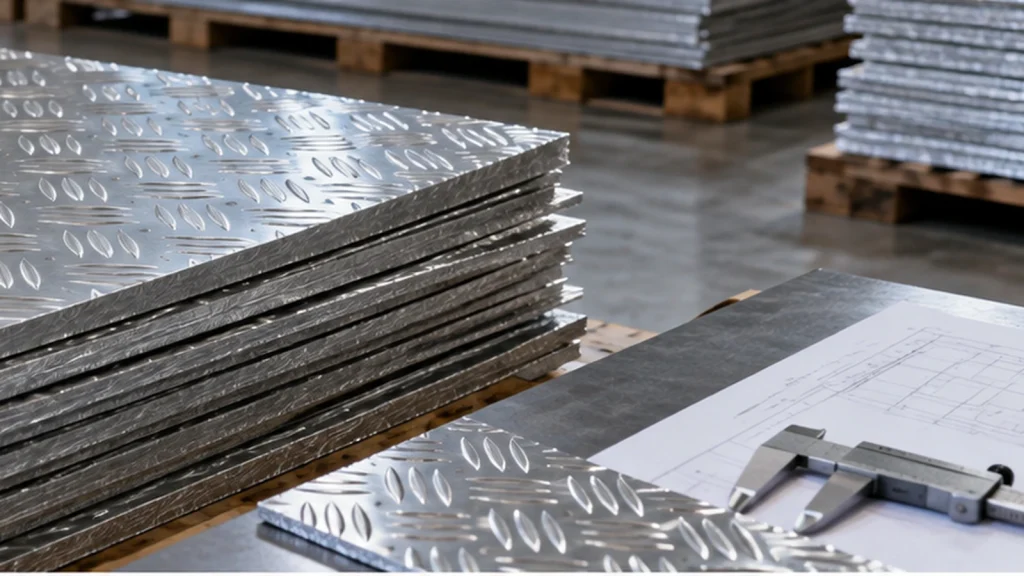
A 4×8 sheet of 1/4 inch aluminum price quotation becomes useful only after the buyer confirms that every supplier is pricing the same product and delivery scope. For this procurement path, the ta…
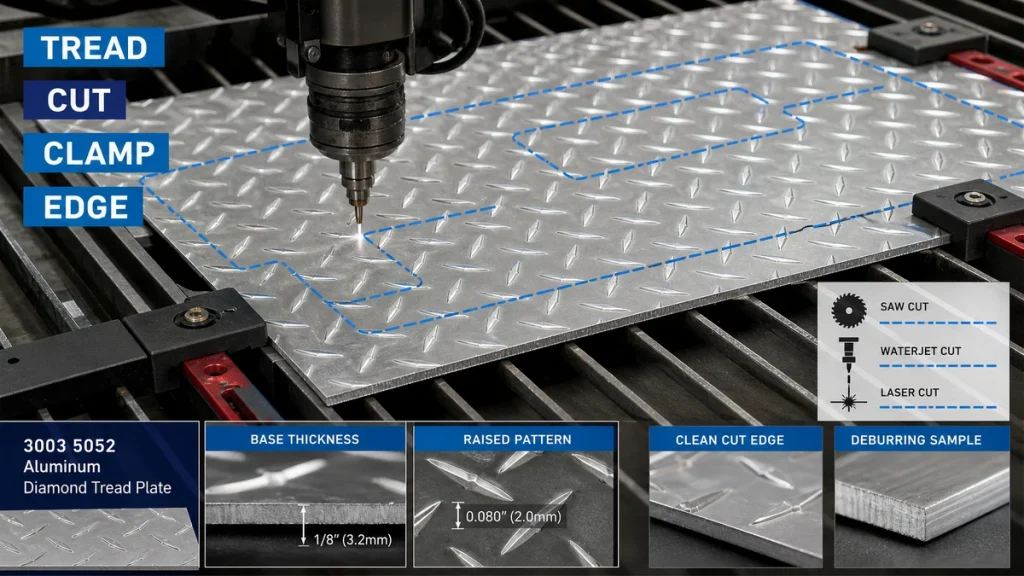
How Should Fabricators Cut Diamond Tread Aluminum Sheet Without Distorting the Pattern or Edges? For fabricators of flooring, steps, toolboxes, and industrial panels, when assessing how to cut diamond…

Aluminum sheet flatness should be specified before purchase, especially when the material will be laser cut, punched, bent, machined, laminated, or used as a visible panel. This matters to sheet-metal…
Buyer feedback and inquiry notes can help you prepare better RFQ questions, especially when confirming export order needs, sample details, and application requirements.
I used the 48 x 96 perforated aluminum sheet page to separate hole pattern, thickness, and edge-finish questions before sending our RFQ.
I needed a cleaner way to describe 48 x 96 perforated aluminum sheet requirements, and this tag page helped me organize the key specification points.
Before comparing China manufacturer and supplier options, I used this page to clarify which 48 x 96 perforated aluminum sheet details affected our enclosure design.
This helped me turn a vague inquiry into practical questions about 48 x 96 perforated aluminum sheet use, especially airflow, appearance, and fabrication needs.
Include alloy preference, thickness, hole shape, hole diameter, pitch, open area, surface finish, quantity, packing needs, application, and sample approval requirements. Clear drawings or photos help suppliers compare specifications accurately.
Perforated sheet offers defined hole geometry and predictable open area, while expanded sheet has a raised or flattened mesh pattern. Buyers should compare airflow, drainage, appearance, rigidity, edge finish, and fabrication requirements.
Check sheet size tolerance, thickness, hole diameter, pitch, open area, flatness, burr level, surface condition, and finish appearance. Confirm whether the sample matches the drawing before approving bulk production specifications.
Important details include alloy grade, temper, thickness, perforation pattern, open area, margin width, sheet flatness, surface treatment, and forming needs. These factors influence strength, ventilation, weight, corrosion behavior, and visual consistency.
Buyers can request checks for dimensions, hole layout, thickness, surface defects, burrs, flatness, packaging suitability, and label accuracy. Inspection criteria should align with the approved sample, drawing, or written purchase specification.
Ask how specification disputes, document corrections, damage feedback, replacement discussions, and technical questions are handled after shipment. Clear communication procedures help wholesale buyers manage project records and future repeat orders.
Send your required sheet size, thickness, hole pattern, finish, quantity, destination, and sample approval questions so the supplier can provide a more accurate response.