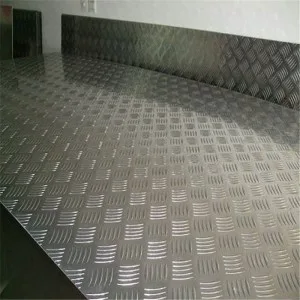
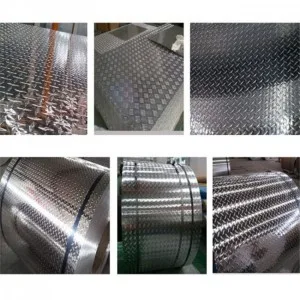
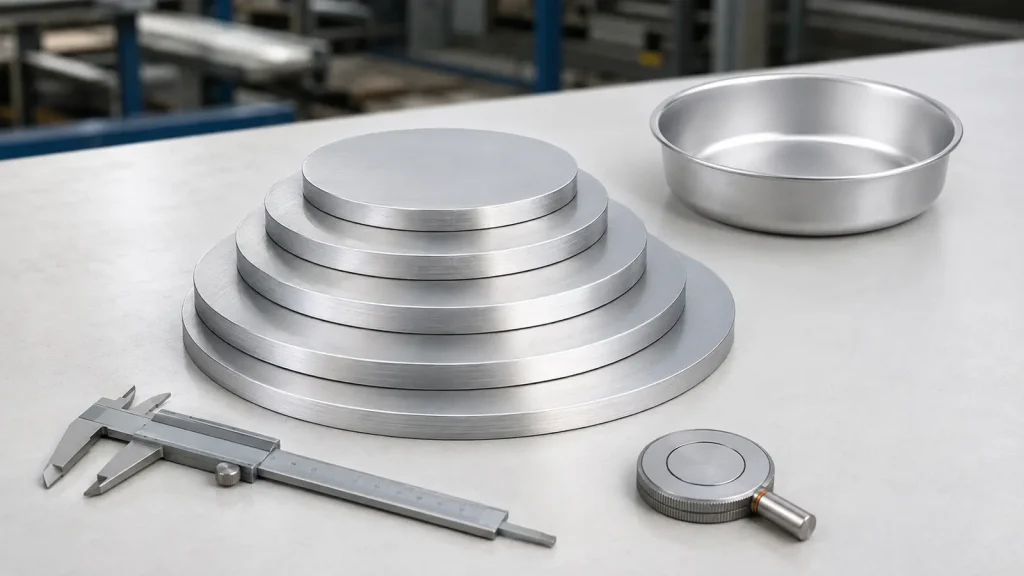
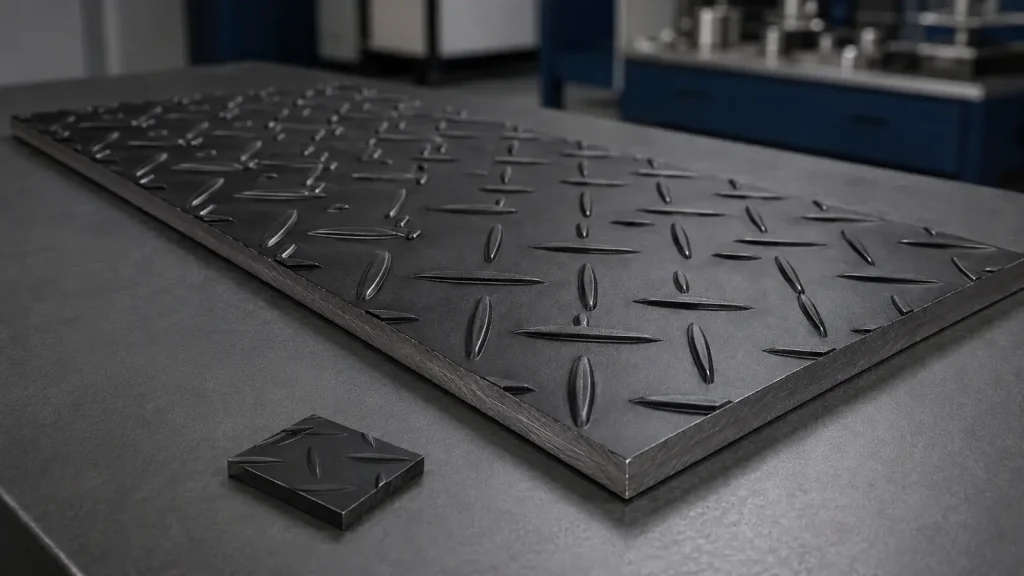
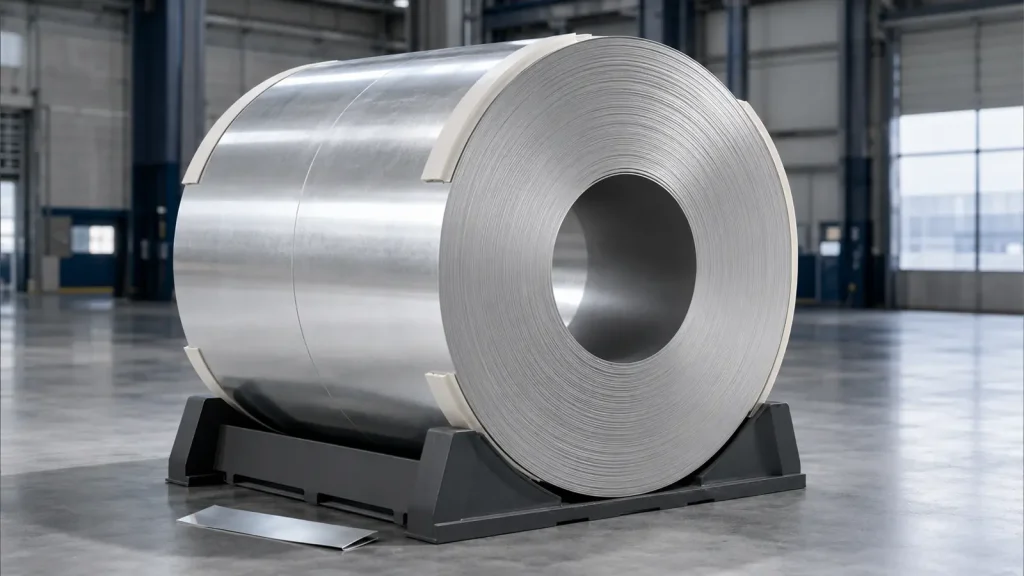
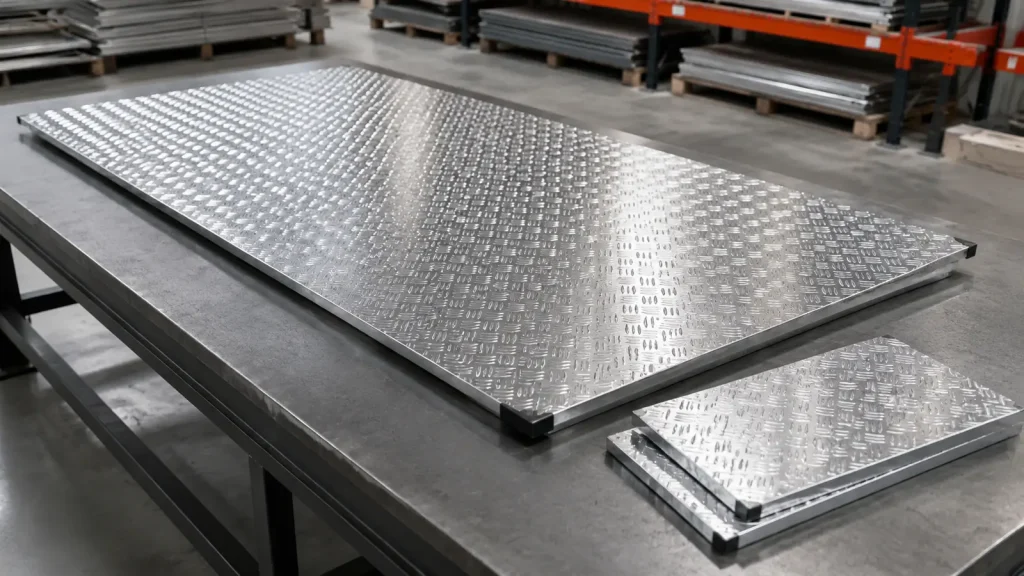
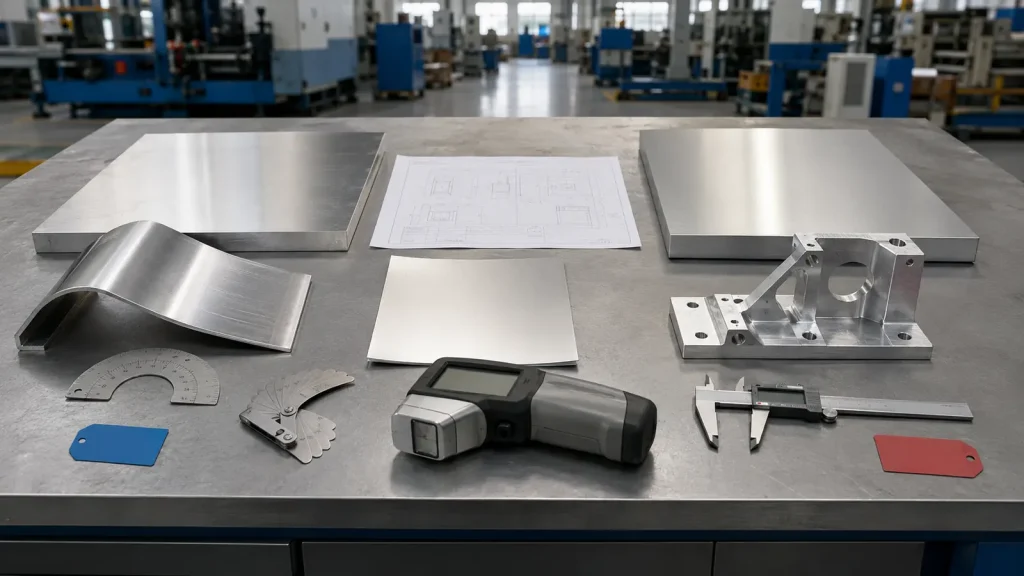
Aluminized steel and aluminum baking sheets should be compared by application, thickness, surface finish, heat-use requirements, order quantity, and packing method. For B2B sourcing, the best supplier discussion starts with drawings, target specifications, sample needs, and destination details.
If you are preparing a shortlist, ask each manufacturer or factory how they handle bulk order packing, export documents, sample confirmation, and production timing. These answers help reduce sourcing risk before you move to pricing and approval.
Start with the product purpose and market requirements. Define whether the baking sheets need specific dimensions, edge style, surface finish, tolerance range, or carton labeling. Clear customization planning helps the supplier understand whether standard items are suitable or a custom order is needed.
For bulk order preparation, confirm how sheets will be stacked, separated, wrapped, and packed for export handling. Ask about carton strength, pallet options, moisture protection, and shipping marks if your warehouse or retail channel has strict receiving rules.
Before requesting a quotation, prepare order quantity, destination port, preferred trade terms, target delivery schedule, and sample approval process. If you are comparing aluminized steel vs aluminum baking sheets, include both product specifications so suppliers can quote on the same basis.
When reviewing supplier replies, look beyond unit price. Check whether the response addresses lead time, packing requirements, sample confirmation, and possible specification adjustments. A supplier that asks precise follow-up questions can be easier to evaluate for a custom project.