
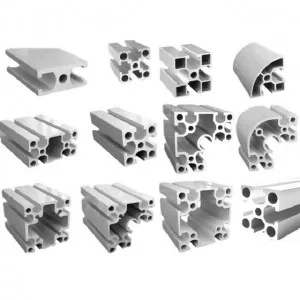
Extrusion alumium profiles
Aluminum profiles are products born from aluminum alloys bar that are transformed into shaped objects through the extrusion process. Extrusion alumium profiles are used in…
Read MoreChina Aluminum Extrusion Hollow Profile Sourcing: Compare Manufacturers, Factories and Suppliers | SUZHOU TOP METAL MATERIALS CO.,LIMITED
For custom projects, an aluminum extrusion hollow profile should be reviewed beyond basic shape and size. Project engineers need to confirm drawings, tolerances, finish requirements, branding details, and how each profile will fit into the final assembly.
This page supports buyers searching for China Aluminum Extrusion Hollow Profile Manufacturer, Factory & Suppliers with a risk-reduction approach. Use it to organize sample questions, compare related products, and prepare a clearer specification checklist before supplier contact.
Aluminum profiles are products born from aluminum alloys bar that are transformed into shaped objects through the extrusion process. Extrusion alumium profiles are used in…
Read More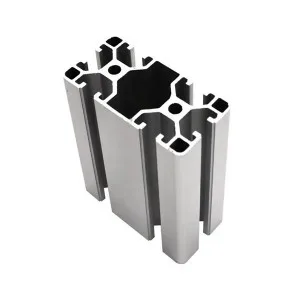
Industrial aluminium extrusion profiles are widely used and highly versatile. It is famous for its environmental protection, convenient assembly and disassembly, time saving…
Read More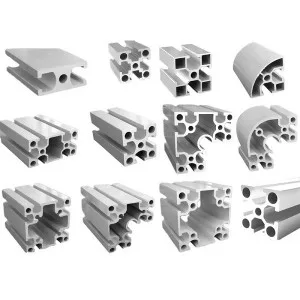
Custom Aluminium profile is widely used in construction, machinery, industry, etc. Aluminium profiles are a great way to add both style and function to your home.
Read More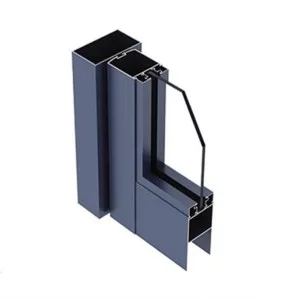
Aluminium extrusion profile for doors and windows is a kind of door and window frame decoration building material made of aluminum alloy as raw material. Its advantages are…
Read More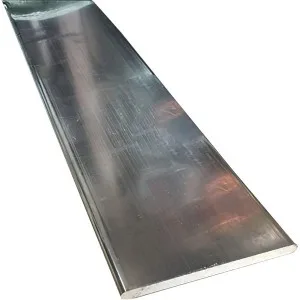
custom Rectangular busbar square angle EN AW 1350 aluminum Flat bus bar Pure aluminum has a conductivity of about 65 percent of the International Annealed Copper Standard (lACS). Aluminum can be produ…
Read More
1050 aluminum strip coil are often used in daily necessities, lighting fixtures, reflectors, decorations, chemical industry containers, heat sinks, signs, electronics, lamps, nameplates, electrical ap…
Read MoreAluminum Extrusion Hollow Profile Product Guide
The related product list helps you compare China Aluminum Extrusion Hollow Profile Manufacturer, Factory & Suppliers by actual product direction rather than keyword wording alone. Check whether each product supports custom specification confirmation, then use the table below to prepare a clearer RFQ.
| Criterion | What To Check | Why It Matters | Buyer Tip |
|---|---|---|---|
| Drawing match | Confirm hollow geometry, wall thickness, tolerances | Reduces fit and assembly risk | Share CAD plus marked critical dimensions |
| Alloy and temper | Verify grade, temper, mechanical needs | Keeps performance consistent across batches | State load, bending, and machining needs |
| Surface finish | Define anodizing, powder coating, or mill finish | Supports brand color and project consistency | Request color sample before mass order |
| Sample approval | Review sample dimensions, finish, packing | Finds issues before production | Use a signed sample checklist |
| Support process | Clarify inspection, lead time, after-sales contact | Improves project control | Ask for QC points and response window |
A suitable supplier for aluminum extrusion hollow profile should help confirm application fit, profile structure, surface finish, packaging needs, and custom options before quotation. For project engineers, clear technical details reduce misunderstanding during sampling and production discussion.
When evaluating China Aluminum Extrusion Hollow Profile Manufacturer, Factory & Suppliers, share drawings, intended use, quantity range, destination, and any brand customization needs. This helps the supplier respond with more relevant product suggestions and practical next steps.
Start with the application. Define where the aluminum extrusion hollow profile will be used, what load, appearance, assembly, or machining details matter, and which dimensions are fixed. If drawings are available, include them with notes on material, wall thickness, finish, and tolerance expectations.
For sample confirmation, prepare a focused checklist. Ask whether the supplier can support the required profile type, surface treatment, cutting length, drilling, packaging, labeling, or logo-related customization. If a previous sample exists, send photos or reference dimensions to reduce interpretation risk.
During comparison, review how each supplier handles technical questions. A useful reply should address application fit, custom options, quality checks, lead time discussion, and after-sales support instead of only sending a general catalog. This is important when project consistency is a priority.
Before placing an order, confirm inspection standards, packing method, carton or pallet details, document needs, and communication flow for future repeat orders. Clear confirmation at this stage helps keep samples, production batches, and brand presentation aligned.
| Criteria | Importance | Description | Example Options |
|---|---|---|---|
| Section design | High | Confirms fit, function, and cavity geometry. | Custom hollow rectangular section |
| Alloy and temper | High | Supports mechanical and forming requirements. | Specified alloy-temper combination |
| Dimensional control | High | Reduces assembly and project consistency risks. | Wall thickness and cut-length limits |
| Surface and processing | Medium | Defines appearance and secondary operations. | Finish, machining, or labeling |
| Inspection alignment | High | Links checks with approved project requirements. | Drawing-based acceptance checklist |
Recommended Products
Top product matches should be reviewed by fit, specification clarity, customization readiness, and how well they support buyer risk reduction. Use these factors to shortlist practical options before contacting the supplier.






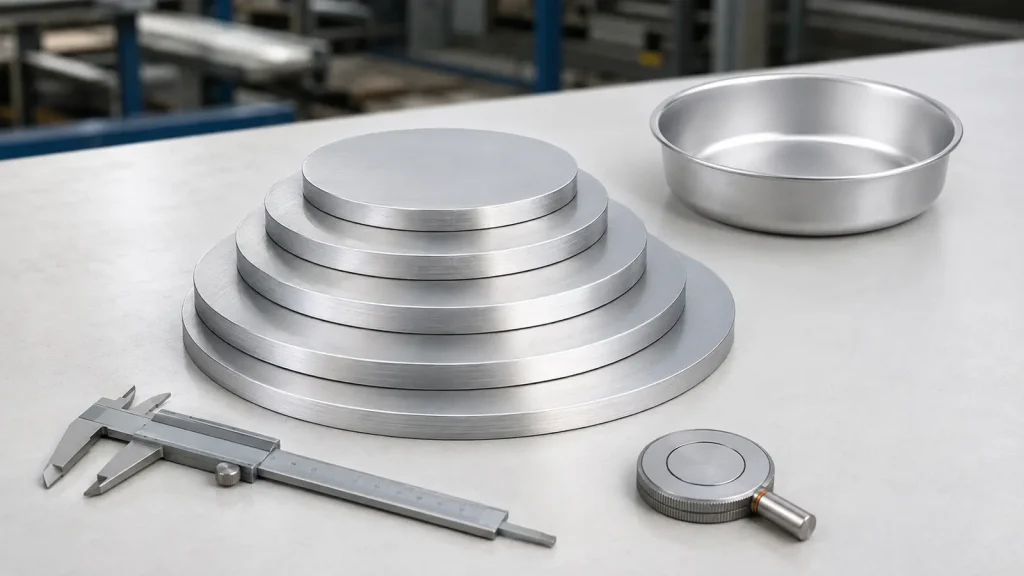
Direct Answer: Buyers should evaluate a versatile aluminum circle plate disc against the finished part and forming route, then confirm alloy, temper, thickness, diameter, dimensional tolerance, edge c…

Direct Answer: Buyers should ask an anodised aluminum sheet supplier China sourcing teams are reviewing to define the base alloy, temper, thickness, sheet size, anodizing sequence, finish, color-contr…
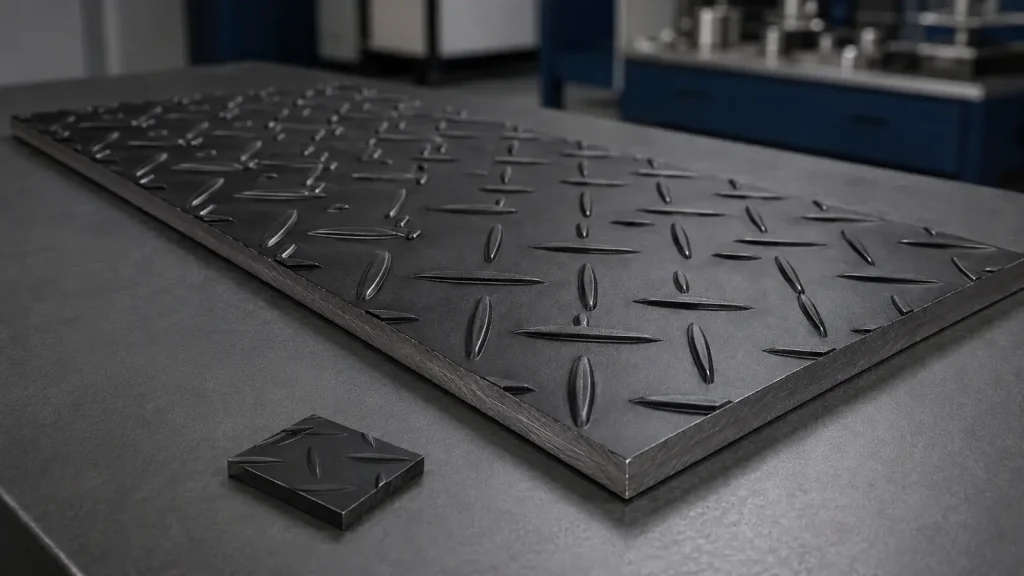
Buyers should evaluate black anodized aluminum tread plate as a complete material-and-finish specification, not as a black decorative surface alone. A workable purchase specification identifies the al…

Before production, buyers should freeze the 5083 aluminum coil’s governing material standard, temper, thickness and tolerance, width and edge condition, coil inside diameter, maximum outside dia…
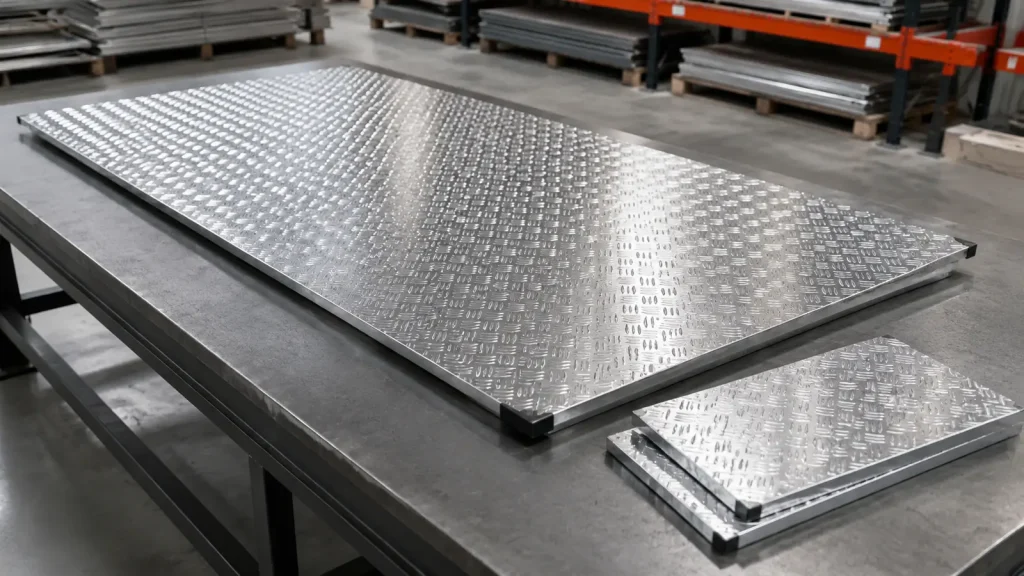
A 4×8 aluminum checkered plate order should define much more than nominal sheet length and width. Buyers need to state the alloy and temper, base-metal thickness, raised pattern, finished dimensi…
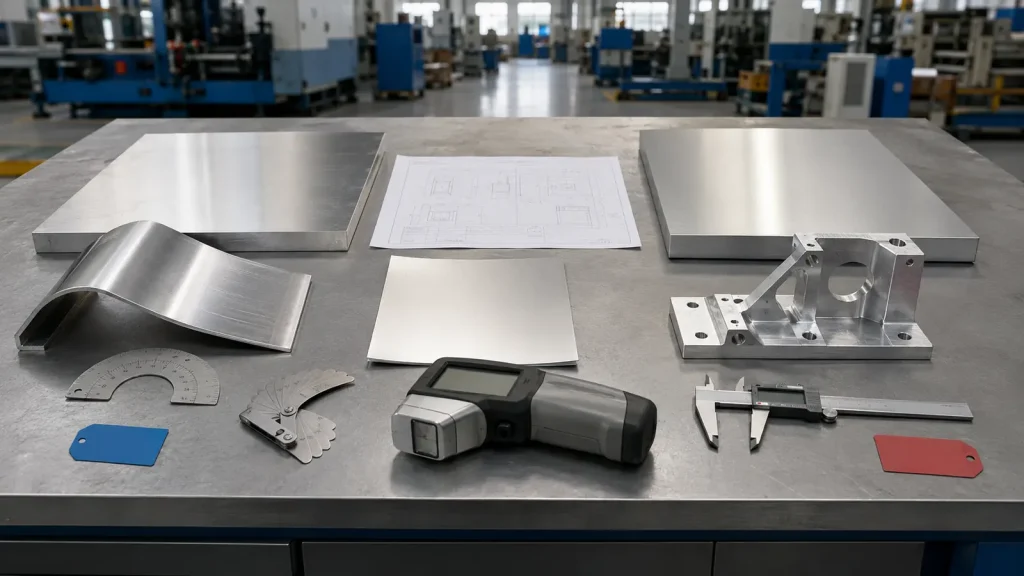
6061-T4 and 6061-T6 are not different aluminum alloys; they are different temper conditions of alloy 6061. Buyers should not treat T6 as a universally “better” version of T4. The correct t…
Buyer feedback on this page reflects common sourcing situations such as organizing sample questions, confirming application details, shortlisting related products, and planning a custom project. Use these notes as prompts for your own supplier communication.
I used this aluminum extrusion hollow profile page to separate structural questions from finishing needs before sending our drawing notes to a China supplier.
I found the hollow profile wording useful because it reminded me to clarify internal cavities, wall thickness, and application load before discussing customization.
I used the page as a sourcing reference when comparing aluminum extrusion hollow profile suppliers, especially for matching profile shape with assembly requirements.
This helped me make our RFQ less generic by listing the hollow aluminum extrusion profile use case, tolerance concerns, and preferred surface condition.
Request a representative sample or drawing review before approval, then compare profile dimensions, wall thickness, alloy designation, surface requirement, tolerances, and intended assembly conditions against the project specification.
For a China aluminum extrusion hollow profile manufacturer, factory & suppliers shortlist, confirm alloy, temper, section dimensions, hollow geometry, wall thickness, straightness, cut length, corner radius, surface finish, and applicable drawing tolerances before quotation.
Ask how incoming material, extrusion dimensions, hollow passage integrity, surface appearance, cutting, and packing are checked. Align inspection records and acceptance limits with the approved drawing, samples, and project quality plan.
Clarify the contact process for specification questions, sample revisions, nonconformance reporting, replacement discussions, and corrective-action communication. Document responsible contacts, evidence required, and escalation steps before placing a custom aluminum profile order.
Explain load direction, joining method, enclosure or frame function, environment, operating temperature, and exposure conditions. These details help evaluate whether an aluminum extrusion hollow profile suits the application without assuming performance beyond the design data.
Discuss section redesign, hollow cavity dimensions, wall thickness, cut lengths, finish selection, machining, packaging labels, and branding or identification requirements. Confirm which options require drawing approval and sample validation for consistent project purchasing.
Send your drawing, target size, surface finish, quantity range, application, and branding or packaging needs. Clear project details help the supplier review feasibility and respond with more accurate aluminum extrusion hollow profile options.