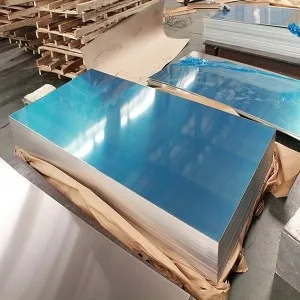
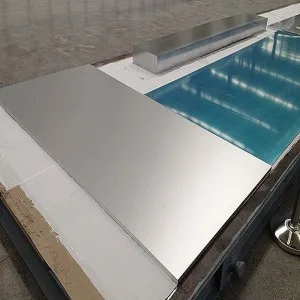
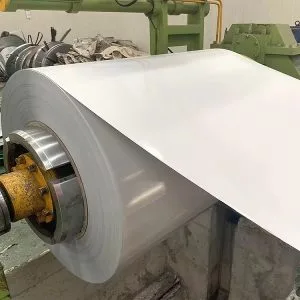
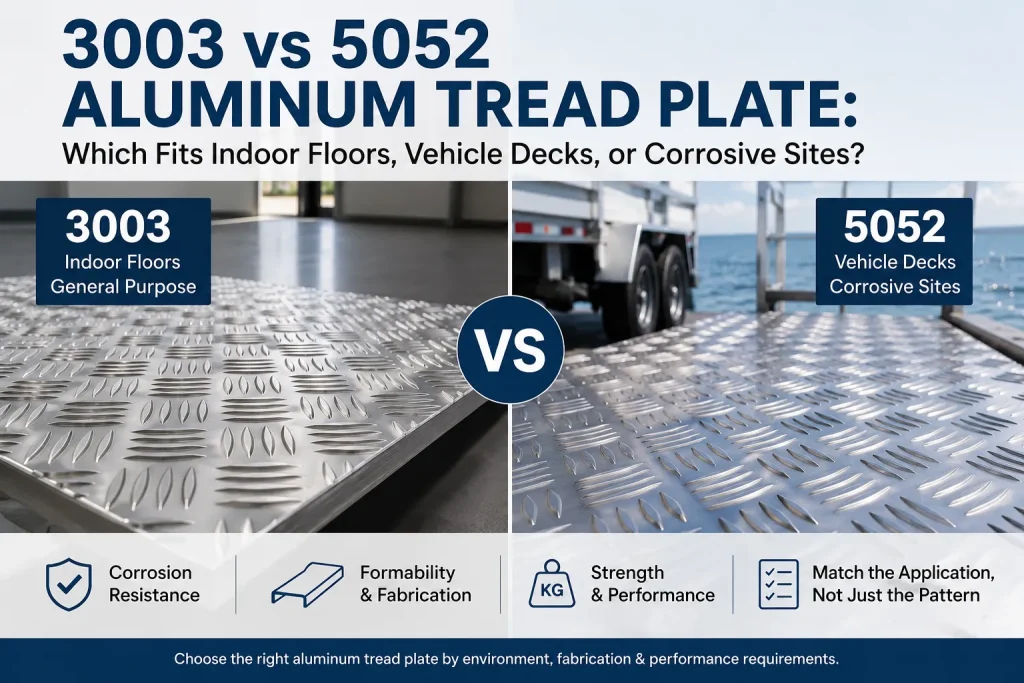
Aluminum 3003 is commonly considered when formability, general fabrication, and corrosion resistance are priorities. Aluminum 5052 is often reviewed when higher strength or more demanding service conditions are relevant. The correct choice depends on the required temper, thickness, forming method, environment, and applicable specification.
When comparing a China Aluminum Sheet 3003 Vs 5052 Manufacturer, Factory & Suppliers, request the alloy and temper, thickness and width tolerances, surface condition, test documents, packing method, sample process, and after-sales contact in writing. Compare like-for-like quotations rather than alloy names alone.
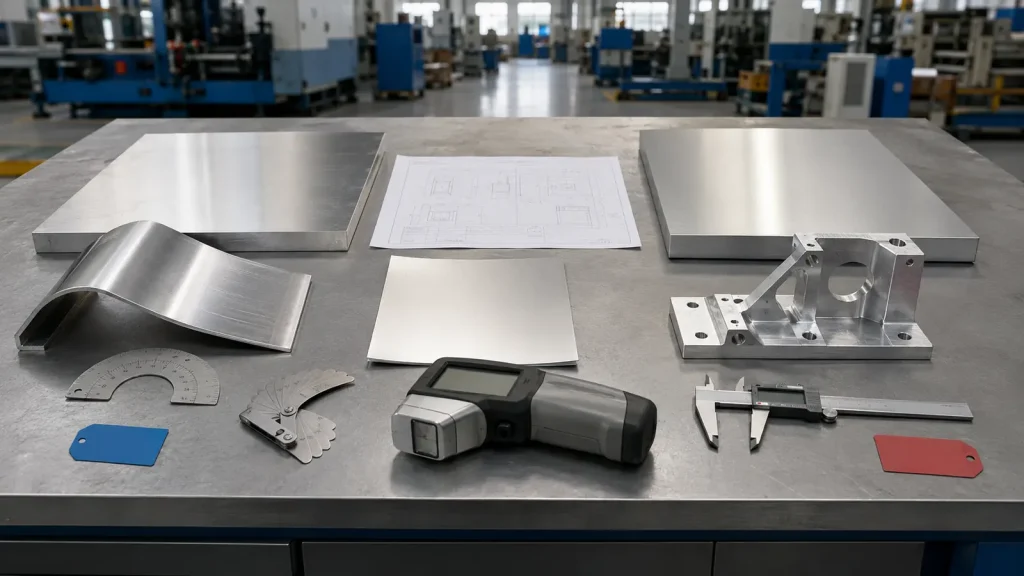
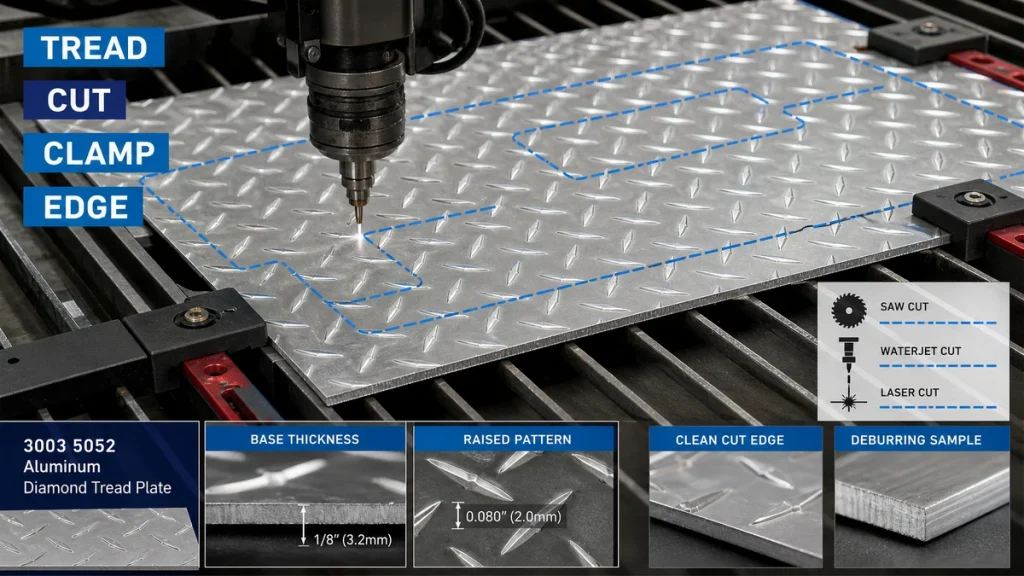
Begin with an application and specification checklist. Record the required alloy, temper, thickness, width, length, tolerance, surface finish, flatness expectations, and cutting configuration. Note whether the sheet will be formed, welded, machined, painted, or used in a particular operating environment.
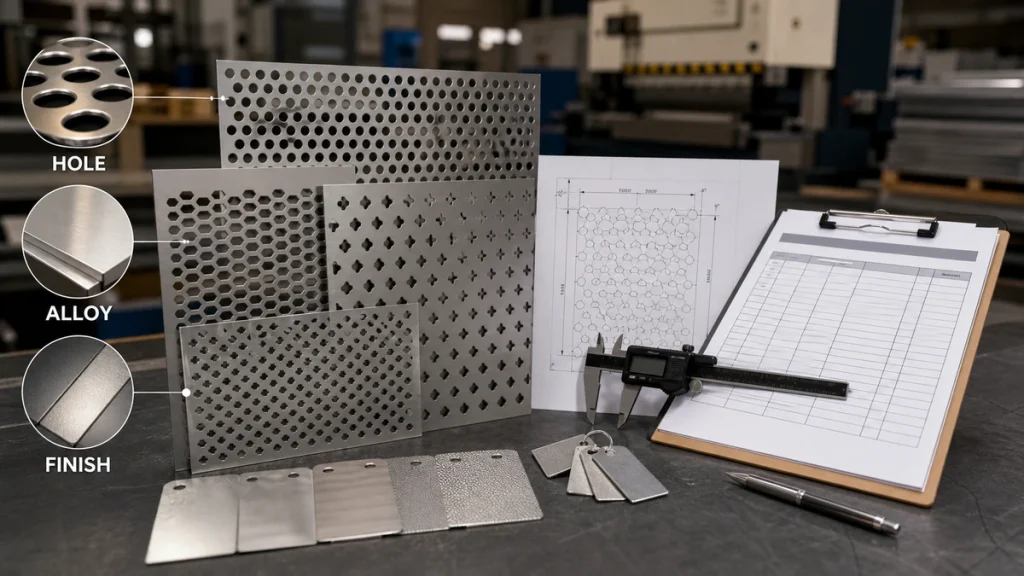
For the 3003 versus 5052 decision, ask the supplier to explain how each available option fits your forming method, strength requirement, corrosion exposure, and production process. Request applicable standards, material certificates, inspection records, and sample availability so technical and purchasing teams can review the same information.
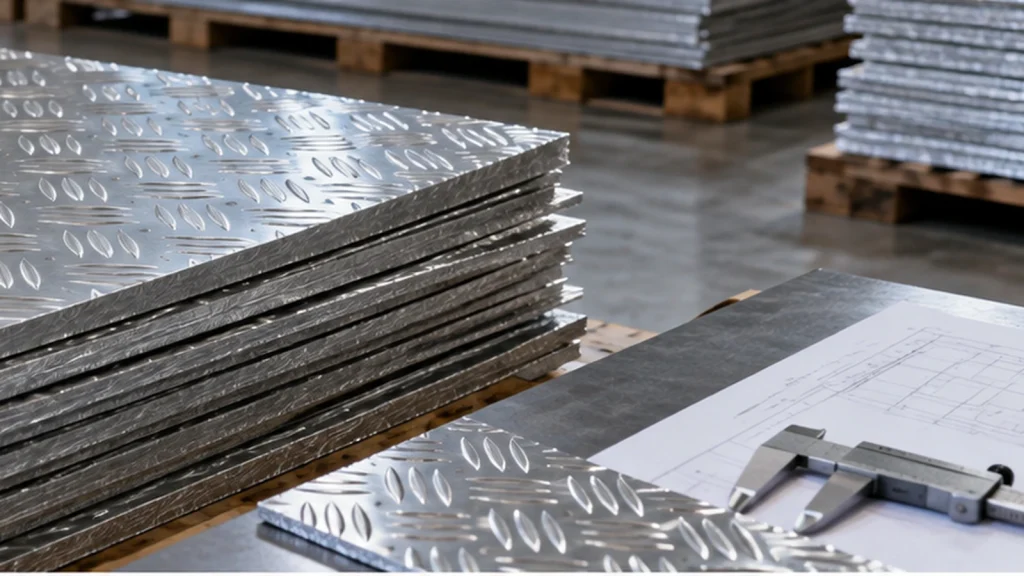
Prepare an RFQ with estimated quantity, order frequency, destination, packaging requirements, delivery window, and required documentation. If you need custom widths, cut-to-length sheets, special surface protection, or export packing, state these details before quotation rather than treating them as later adjustments.
During quality review, compare the actual offer against your checklist. Confirm that the quoted alloy, temper, dimensions, tolerances, finish, quantity, and packing match the requested configuration. Also clarify the contact process for production updates, nonconformance questions, replacement discussions, and support after delivery.