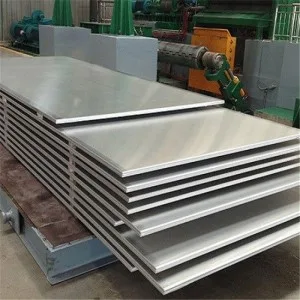
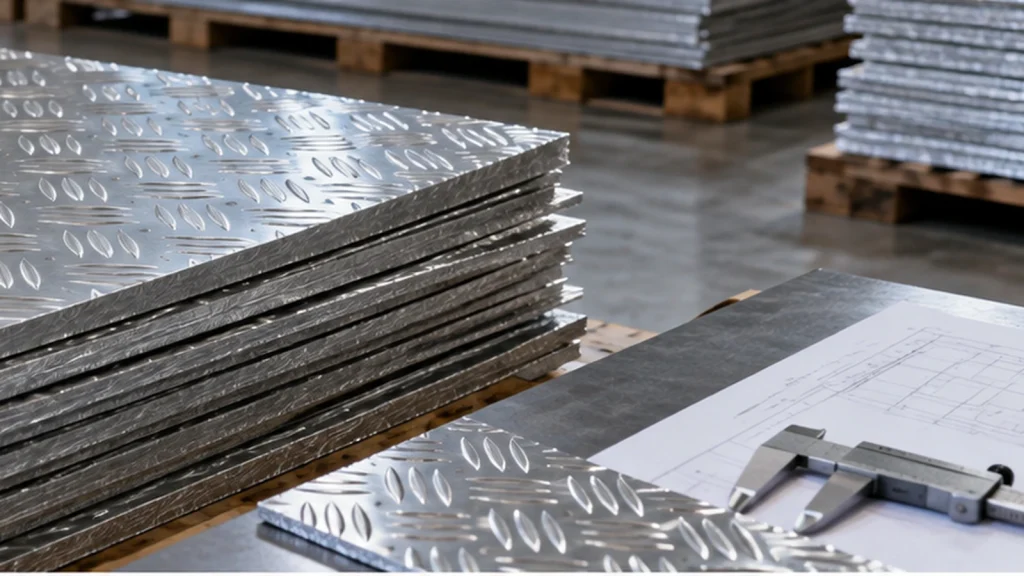
China Aluminum Sheet Manufacturer For USA, Factory & Suppliers should be evaluated by material grade, thickness tolerance, surface condition, size capability, packaging method, and the inspection documents available for your order.
For a product development team, the best inquiry includes the application, target specification, expected volume, delivery destination, sample needs, and any required test or quality records. This gives the supplier enough detail to reply with practical options instead of a general catalog.
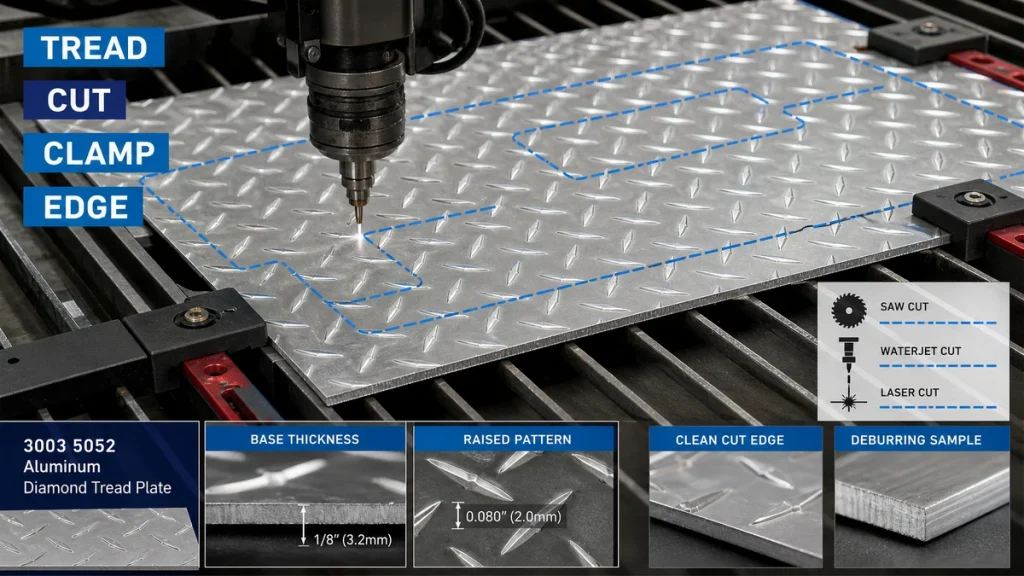
Start with the end use of the aluminum sheet. Define whether the material is for forming, cutting, display, enclosure, decoration, fabrication, or another product line requirement. Share drawings, target dimensions, surface expectations, and any comparison samples if available.
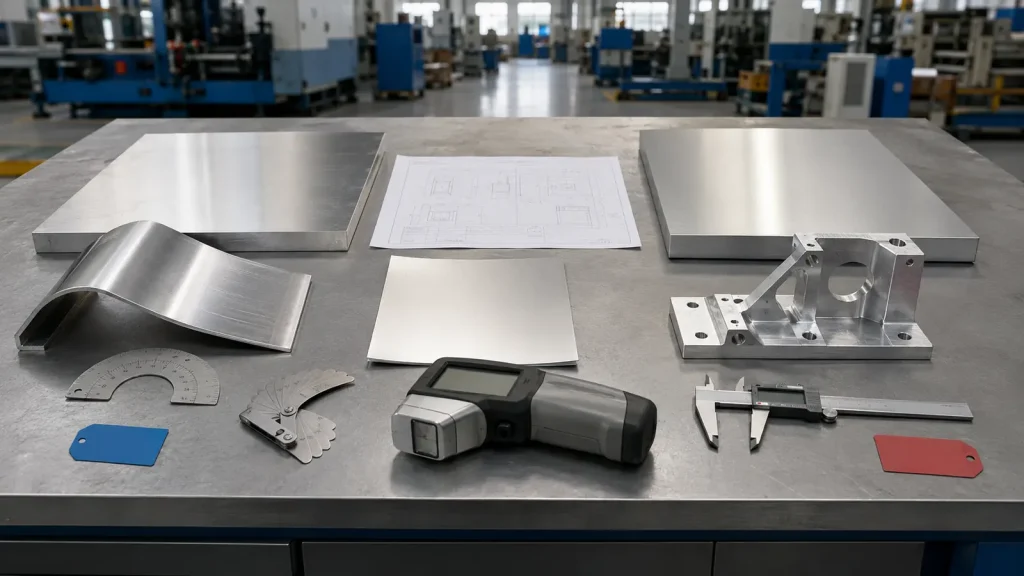
Next, list the quality inspection points your team must confirm. Common review areas include alloy, temper, thickness, flatness, surface marks, protective film, edge condition, packing condition, and document requirements. If your company has an incoming inspection checklist, send the relevant points with the RFQ.
For quotation preparation, include quantity range, sheet size, destination, requested Incoterms if known, lead-time expectations, and whether trial samples are needed before bulk order. If the project may scale, ask how the supplier handles repeat production consistency and packaging for long-distance shipping.
When comparing supplier replies, look beyond the unit price. Stronger communication usually includes follow-up questions, clear specification confirmation, realistic lead-time discussion, and practical notes on packaging or documentation. This helps your team shortlist related products and reduce risk before placing a formal order.