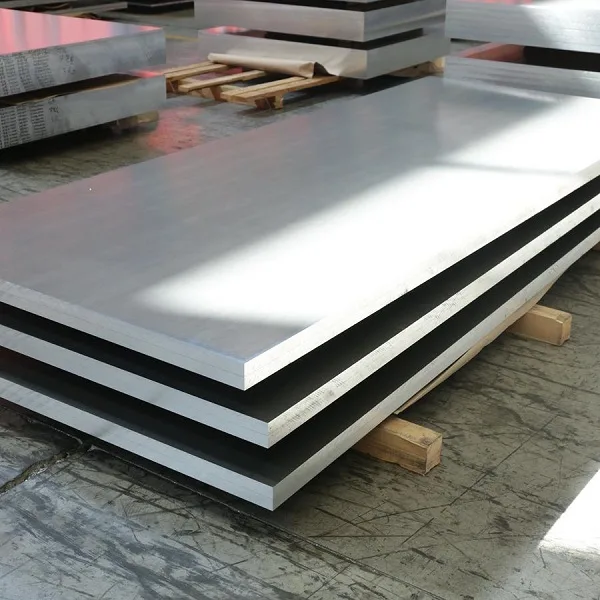
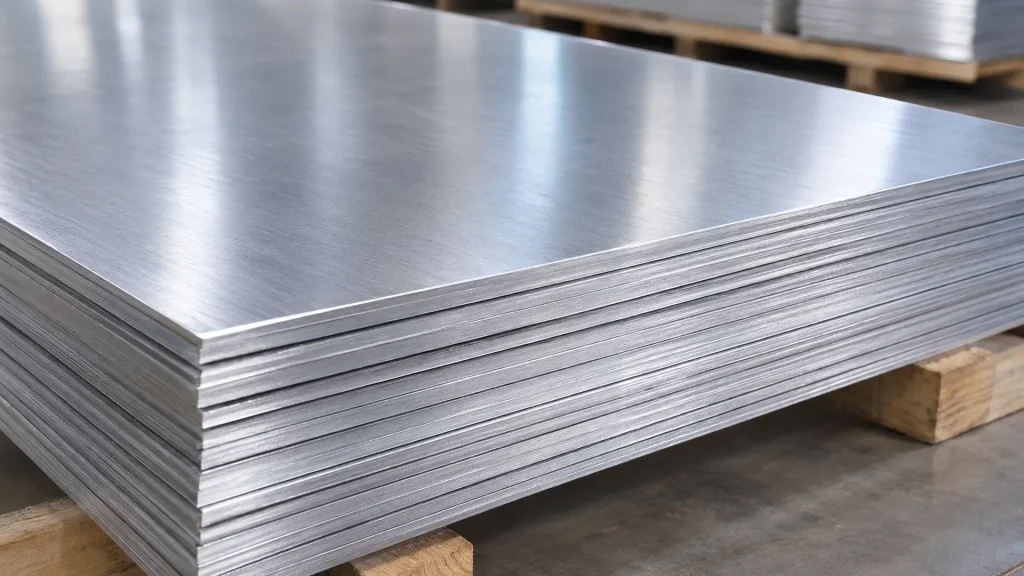
Choose the sheet around the chaise design, not its appearance alone. A broad seat panel, a curved backrest and a perforated surface place different demands on forming, support and finishing. Increasing sheet thickness may reduce flex, but it also adds weight and can complicate bends; supports beneath the sheet matter too.
For an outdoor chaise, consider how water leaves the seat and how exposed edges and joints will be finished. If the design calls for anodizing or another finish, distinguish the base-metal thickness from the coating when agreeing on dimensions.
Start with a drawing showing the seat and backrest shape, bends, cutouts, edge treatment and attachment points. A smooth curved panel may need a different sheet condition from a mostly flat panel. Confirm that the proposed material can take the required bends before settling on a finish.
Decide how the sheet will be supported. Perforations can aid drainage, but they change the panel’s stiffness and the feel of the seating surface. Avoid approving a sheet solely from its flat sample if the finished chaise has long unsupported spans.
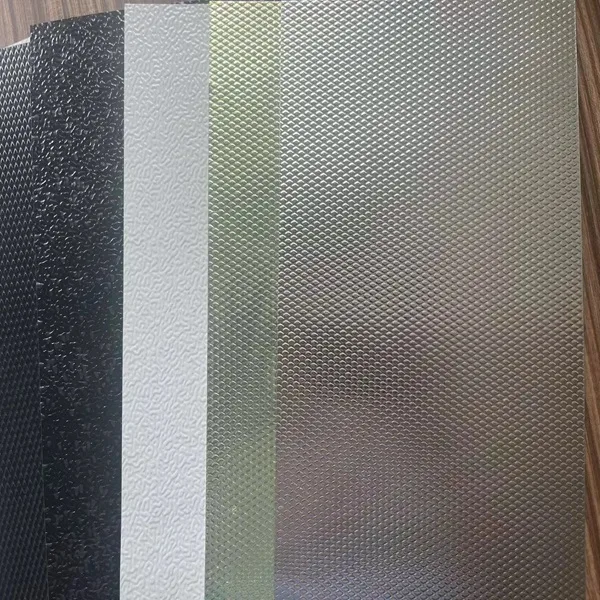
Discuss appearance and upkeep together. A finish selected for color or texture still needs to suit the intended setting and the way the chaise will be cleaned. Ask how visible edges, fastener areas and formed surfaces will look after fabrication, rather than judging only an unworked sheet.
When speaking with suppliers, clarify who will cut, form and finish the metal. If a factory will assemble the chaise, agree on which party checks the fit between the sheet, frame and fasteners. Send the drawing and intended indoor or outdoor use, then ask SUZHOU TOP METAL MATERIALS CO.,LIMITED which part of the material or component requirement it can supply.