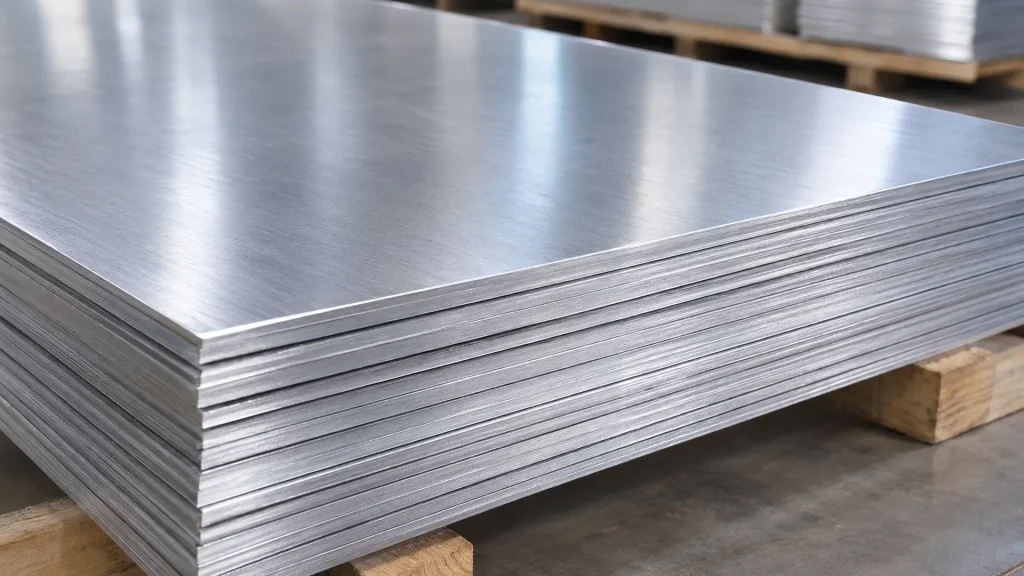
China Aluminum Sheet Gauge Chart for Manufacturer Inquiries | SUZHOU TOP METAL MATERIALS CO.,LIMITED

China Aluminum Sheet Gauge Chart for Manufacturer Inquiries

An aluminum sheet metal gauge thickness chart is useful for translating a gauge callout into a nominal thickness in inches or millimeters. For buyers sourcing from China, the key decision is which base-metal thickness the part needs—not just which gauge number appears on a drawing. Specify the thickness and acceptable tolerance when fit, bending or weight matters.

Related Products

Stucco Embossed Aluminum Sheet

Stucco Embossed Aluminum Sheet

A stucco embossed finish is designed to have superior durability, reduce glare and reflectivity, and also to give aluminum a decorative finish. The stucco aluminum sheet is also a finish that can stan…

Read More
Thick Aluminum Sheet

Thick Aluminum Sheet

The next finer classification is the aluminium sheet standard sizes. Standard aluminium sheet sizes include aluminium sheet metal thickness, width and length. When ordering aluminum alloy sheet, custo…

Read More

Match sheet thickness to the part

Sheet selection

Compare aluminum sheet options by specified thickness and tolerance first, then by alloy, temper and finish. A gauge chart can help interpret an existing callout, but it does not replace those details.

Criterion What To Check Why It Matters Buyer Tip
Gauge-to-thickness conversion Compare the stated gauge with its nominal thickness in inches or mm on an aluminum-specific chart. A gauge number alone can be misread, especially if someone uses a chart for another metal. Ask the supplier to confirm the thickness in mm or inches, not just the gauge.
Thickness tolerance Request the permitted thickness range and confirm whether it applies across the full sheet. A nominal chart value does not tell you the thinnest or thickest sheet you may receive. For an order from China, ask the manufacturer which thickness range the factory will supply.
Alloy and temper Confirm the alloy and temper alongside the specified thickness. Sheets of the same gauge can behave differently during bending or forming. If the part has bends, share the drawing and ask which alloy and temper are suitable.
Bare metal versus finished thickness Clarify whether the dimension refers to the base aluminum or the sheet after anodizing or coating. The distinction matters when a finished part must fit a tight clearance. State which thickness the drawing controls and ask how it will be checked.
Sheet size and fabrication Compare the required cut dimensions and forming steps with the thickness selected from the chart. Thickness affects part weight and how readily the sheet can be cut or formed. Send the finished dimensions and intended process rather than selecting gauge in isolation.

Read gauge conversions without losing the specification

Does the same gauge number always mean the same thickness? No. Gauge conventions differ by material, so a steel gauge conversion should not be used for aluminum. A chart also gives a nominal value, not the thickness of every delivered sheet. If a drawing lists only a gauge, ask the manufacturer which aluminum gauge convention it uses and confirm the required thickness in inches or millimeters.

Start with the finished part. A cover that must fit a narrow slot needs a clear thickness tolerance; a broad panel may be more sensitive to stiffness and weight. Converting a gauge to millimeters without stating the acceptable variation can leave both decisions unresolved.

Choose alloy and temper alongside thickness. Two sheets of the same thickness can behave differently during forming, so tell suppliers if the part will be bent or kept flat. Do not select a gauge from a chart alone for a formed part.

If the sheet will be anodized or otherwise coated, distinguish base-metal thickness from finished thickness. That distinction matters for close-fitting parts and for comparing quotations that describe thickness differently.

For a factory inquiry, send the drawing or target dimensions, the nominal base-metal thickness with its unit and tolerance, and the intended alloy, temper and finish. Ask which gauge convention any quoted gauge follows rather than assuming all quotations use the same conversion.

Criteria Importance Description Example Options
Gauge callout versus specified thickness Essential for avoiding an ambiguous order. A gauge number needs an aluminum conversion convention; a stated thickness in inches or millimeters gives buyers a clearer basis for comparison. A drawing can show a gauge for reference while naming the nominal millimeter thickness as the purchasing requirement.
Thickness tolerance Especially important for slots, mating parts and other close fits. A nominal chart value does not describe the permitted variation in delivered sheet. A cover that slides into a frame needs an agreed thickness range, not only a converted gauge value.
Alloy and temper for forming Important when the sheet will be bent rather than used flat. Sheets of equal thickness can differ in forming behavior. Evaluate material choice alongside the intended bend and part geometry. A bent enclosure and a flat cover may call for different material choices at the same nominal thickness.
Base-metal versus finished thickness Important for coated parts with limited clearance. Clarify whether the specified and measured thickness refers to the aluminum alone or the finished sheet. For an anodized panel fitted into a narrow opening, identify which thickness the drawing controls.

Blog Articles / Reviews

Frequently Asked Questions

Can I choose a thinner sheet to reduce the weight of a large panel?

Possibly, but a thinner panel may flex more. Check the panel’s span, supports and required stiffness before changing thickness; alloy and temper alone may not make a thinner sheet suitable.

Is a millimeter thickness better to specify than a gauge?

A thickness in millimeters or inches is less ambiguous for purchasing. You can retain the gauge as a reference on an existing drawing, but make the required nominal thickness and tolerance the controlling values.

Does “sheet” mean the same thickness range to every supplier?

Not necessarily. Sheet and plate labels may be applied differently, so do not rely on the label to define the material. State the thickness, dimensions and intended use when asking about availability.

Will a quoted finished thickness include an anodized coating?

Ask how the thickness was measured. A finished measurement and a base-metal measurement describe different things, which matters if the part must fit a close-clearance assembly.

What should I check if two quotations use the same gauge number?

Compare the stated thickness and tolerance in the same unit, then check alloy, temper and finish. Ask each supplier to clarify its gauge conversion if those details do not agree.

Leave Your Message

Share your target base-metal thickness and tolerance, the alloy and temper if specified, and whether the sheet will be formed or finished.