
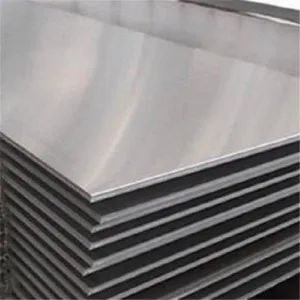
Hot Selling 8011 Aluminum Plate
There are different types of aluminum sheet metal, aluminum sheet grades means each type of cast aluminum plate has its special superior advantages. our main aluminum products including 1000 series al…
Read MoreAluminum Sheet Metal Selection Guide | SUZHOU TOP METAL MATERIALS CO.,LIMITED
Aluminum sheet metal for a bent enclosure, an exterior panel and an insulation jacket may look similar on a drawing, but each job puts different demands on the metal. Start with what the part must do: bend without cracking, hold its shape, resist its environment or present a consistent visible finish.
Alloy and temper affect forming and strength, while thickness, dimensions and surface treatment affect fit and appearance. Choosing those together is more reliable than selecting sheet by thickness alone.
There are different types of aluminum sheet metal, aluminum sheet grades means each type of cast aluminum plate has its special superior advantages. our main aluminum products including 1000 series al…
Read More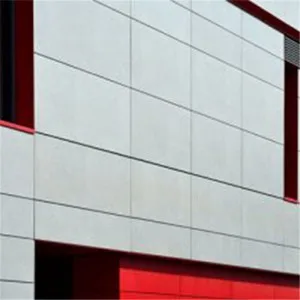
The type of aluminum wall panels is various and they can mainly be divided into interior aluminum wall panels and exterior aluminum panels. The aluminum sheet metal panels have pleasant appearance, an…
Read More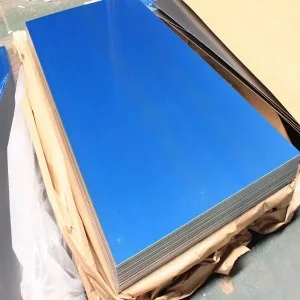
Aluminum Sheet or aluminum Plate is available in various alloys offering a range of weldability, corrosion resistance and machinability. Aluminum sheet is any aluminum sheet metal thicker than foil bu…
Read More
Mirror Finish Alloy Metal Anodized Aluminum Plate Sheet is widely used in lighting reflectors and lamp decorations, solar heat collection reflective materials, interior architectural decoration, exter…
Read More
3003 Aluminum Sheet Features ♦ Alloy: 3003 ♦ Temper: H14, H16, H18, H22, H24, H26, O ♦ Thickness(mm):0.25-10 ♦ Width(mm):800-2200 ♦ This series aluminum sheet is anticorrosive and its production techn…
Read More
China brushed anodized aluminum sheet copper color anodising black aluminium plate Anodized aluminum sheet is a sheet metal product consisting of aluminum sheeting exposed to an electrolytic passivati…
Read MoreSelection criteria
Compare aluminum sheet options by alloy and temper, base-metal thickness, workable dimensions and surface finish. The right combination depends on the part’s forming steps, fit requirements and exposure in service.
| Criterion | What To Check | Why It Matters | Buyer Tip |
|---|---|---|---|
| Alloy and temper | Match the specified alloy and temper to the part drawing and forming method. | Temper affects how readily the sheet bends; alloy choice also affects corrosion resistance. | Will the sheet be bent, welded, or used as a flat panel? |
| Base-metal thickness | State the required thickness and tolerance, and clarify whether any coating is included in the measurement. | Thickness affects fit and stiffness; coating can change the measured overall thickness. | Does your drawing specify bare-metal thickness or finished thickness? |
| Sheet size and flatness | Compare usable width and length with the cutting layout, and specify any flatness requirement. | Insufficient usable area increases scrap, while uneven sheets can cause problems during cutting or assembly. | What finished part size and flatness does your process need? |
| Surface finish | Specify whether the sheet needs a mill, anodized, reflective, or embossed surface, and identify the visible face. | The finish changes appearance and can affect handling, fabrication, or suitability for the application. | Which face will be exposed, and what marks would be unacceptable? |
| Forming requirements | Share bend locations, bend direction, and any minimum bend-radius requirement for review. | A sheet that suits a flat panel may crack or mark during a tight bend. | Can the proposed alloy and temper meet the bends shown on your drawing? |
What is the difference between sheet for forming and sheet for a flat finished panel? A part with tight bends needs an alloy and temper suited to its bend radius and forming direction. A visible panel may instead put more weight on flatness, surface consistency and protection during handling. A stronger temper is not automatically better if the part must be bent.
Also distinguish base-metal thickness from any coating thickness. If a finished part has a close fit or a specified surface treatment, make clear which thickness the drawing controls.
Match the alloy and temper to the operation after delivery. Forming, machining and service exposure place different demands on sheet; changing temper to improve strength can reduce bendability. Share the finished-part drawing, including bend radii, before settling on a material.
Set thickness and dimensional requirements around the actual fit. A nominal thickness alone may not resolve an assembly issue: identify critical cut dimensions, hole positions and any flatness requirement. Avoid applying unnecessarily tight tolerances to features that do not affect the part.
Specify the finish by its job. Anodizing may be chosen for a visible surface, while an embossed finish may suit insulation jacketing where handling marks are a concern. Describe the appearance and service conditions, and confirm whether finishing happens before or after fabrication.
For an inquiry to SUZHOU TOP METAL MATERIALS CO.,LIMITED, send the drawing or intended application, proposed alloy and temper if known, and the required finish. Ask which material and finish options can be supplied for that combination before approving a sample or production order.
| Criteria | Importance | Description | Example Options |
|---|---|---|---|
| Alloy and temper | Central to the balance between forming, strength and service exposure. | Compare materials against the operations and conditions the finished part will face, rather than treating an alloy number alone as the specification. | A formed cover and a machined bracket may call for different tempers. |
| Thickness and flatness | Critical where panels must fit an assembly or remain visually even. | Identify the required base-metal thickness, permitted variation and any flatness requirement that affects the finished part. | A large flat panel may need a stated flatness requirement; a small bent part may be governed mainly by finished dimensions. |
| Surface finish | Important when appearance, handling marks or service conditions affect acceptance. | Separate bare, anodized and textured surfaces, and clarify whether finishing occurs before or after fabrication. | A visible face may need an agreed appearance sample, while insulation jacketing may call for a textured surface. |
| Sheet size and delivery condition | Affects cutting yield and the risk of surface damage before fabrication. | Check that available dimensions suit the cutting plan and specify any face-protection or packaging needs. | A panel cut from a larger sheet may need its visible face protected in transit. |
Related Options
For a bent equipment enclosure, bendability and finished-part fit should lead the choice; for a visible flat panel, surface consistency and flatness may matter more. Evaluate sheet against the part drawing rather than treating one grade or finish as the default.



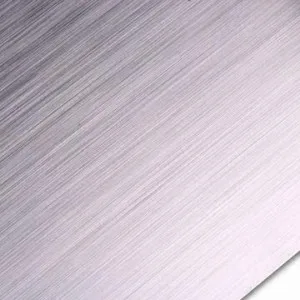



Anodized aluminum sheet thickness can mean two different things: the thickness of the aluminum substrate and the thickness of the anodic oxide layer. They are not interchangeable. Substrate thickness …

When buyers search for a reflective aluminum sheet manufacturer, the key challenge is usually not finding a supplier website. The more important question is whether the supplier can provide a product …

A request for 6061 0 aluminum sheet is a temper-specific purchasing question, not simply a request for generic 6061 sheet. That distinction matters when a buyer compares supplier quotations. TOP METAL…

5052 aluminum sheet and plate are flat-rolled aluminum-magnesium products considered for parts that need formability, corrosion resistance and moderate strength. Choosing the material means specifying…

Stucco embossed aluminum sheet changes the surface appearance of insulation jacketing. Its irregular texture makes minor handling marks less conspicuous and reduces glare compared with a smooth finish…

Direct Answer: Buyers should ask an anodised aluminum sheet supplier China sourcing teams are reviewing to define the base alloy, temper, thickness, sheet size, anodizing sequence, finish, color-contr…
It can be, but the alloy, finish and exposure conditions matter. Describe any contact with salt, chemicals or other metals so the material and surface treatment can be assessed together.
Not automatically. A stronger temper may be harder to form, so compare the required strength with the bend radii and forming steps on the drawing.
The base-metal thickness and anodized coating thickness are separate measurements. State which dimension controls the part’s fit, and identify any separate coating requirement.
Steel may be worth considering if stiffness or resistance to denting is the main concern. Aluminum can reduce weight, but matching a steel part’s stiffness may require a change in thickness or design.
Agree on the acceptable surface appearance, any directional finish, and how the faces should be protected during handling. A sample is useful when appearance is difficult to define on a drawing.
Send your part drawing or application, required thickness and dimensions, and any alloy, temper or finish requirement. Include bend details if the sheet will be formed.