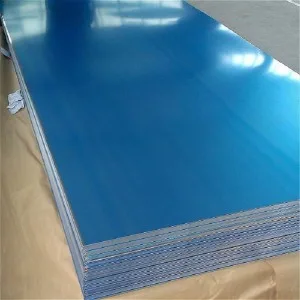
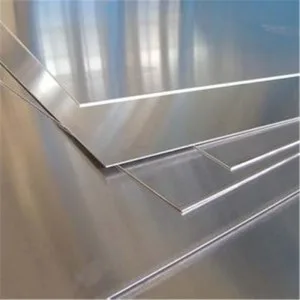
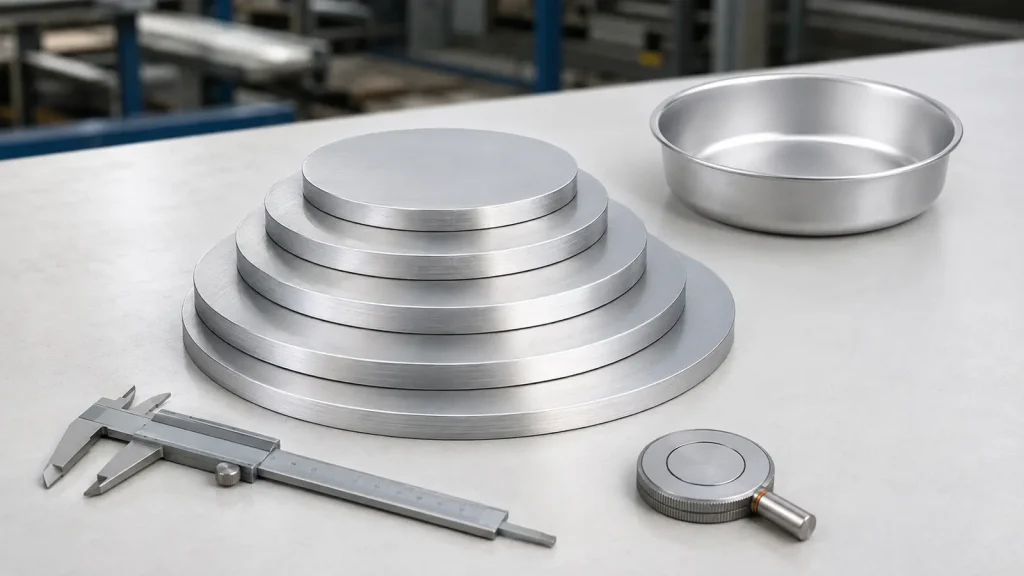
Sheet and plate are commonly distinguished by thickness, but the name alone does not tell a buyer how the material will behave. Specify the required thickness and tolerance rather than relying on either term. Then match the alloy and temper to the process: a temper suited to bending may not be the right choice for a part that needs greater strength after machining.
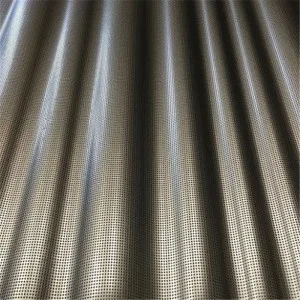
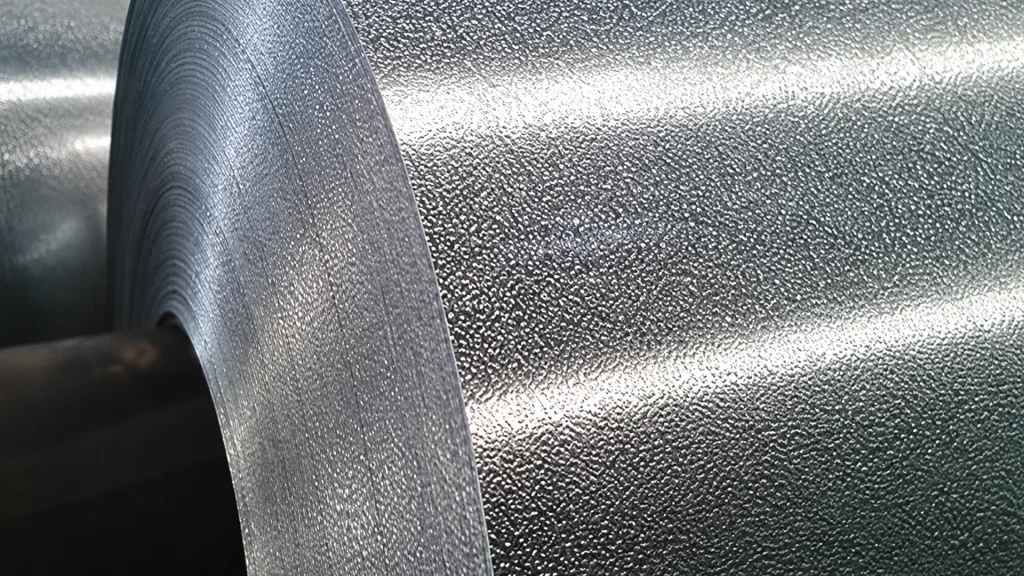
Finish is a separate decision. Anodized, reflective and embossed surfaces serve different purposes, and a specified overall thickness may not mean the same thing as base-metal thickness. Clarify which dimension the drawing controls.
For bent or formed parts, review the bend radius and forming sequence before settling on a temper. 5052 is often considered where forming and corrosion resistance matter; 6061 is often considered for structural or machined parts. Neither alloy name alone establishes that a proposed temper will suit the operation.
Set thickness and dimensional tolerances from the finished part, not just the starting stock. Also identify whether flatness, surface condition or cut-edge quality matters to assembly. A low-cost substitution can create more work if it does not meet those requirements.
Choose the surface for its job. A visible panel may need consistent appearance, while insulation jacketing may call for an embossed texture. If a coating or anodized layer is specified, state the required finish and whether thickness refers to the base metal or the finished material.
Send SUZHOU TOP METAL MATERIALS CO.,LIMITED the drawing or intended application, along with the preferred alloy and temper if already decided. Ask which material and finish options can meet the critical dimensions before approving a substitute.