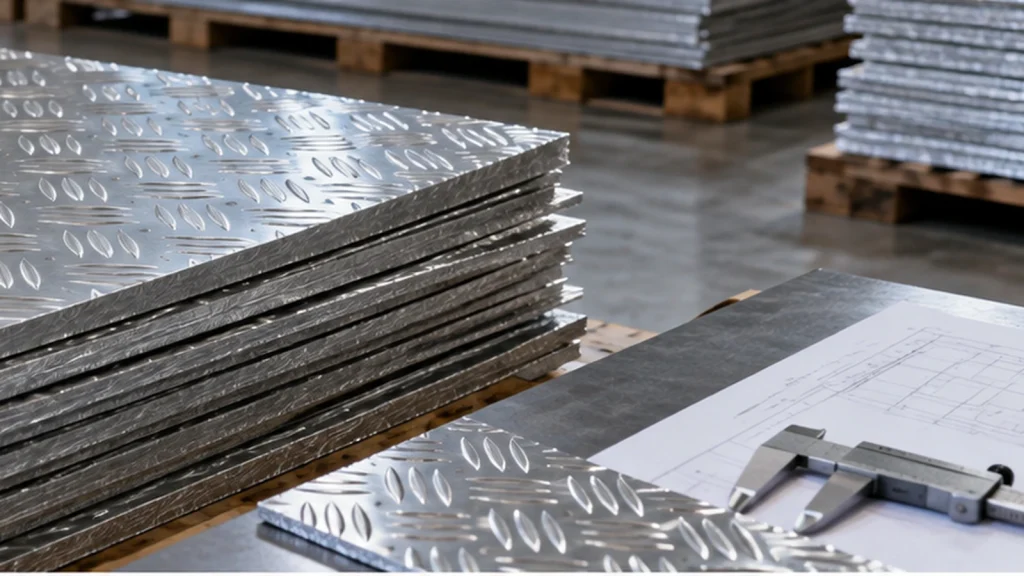
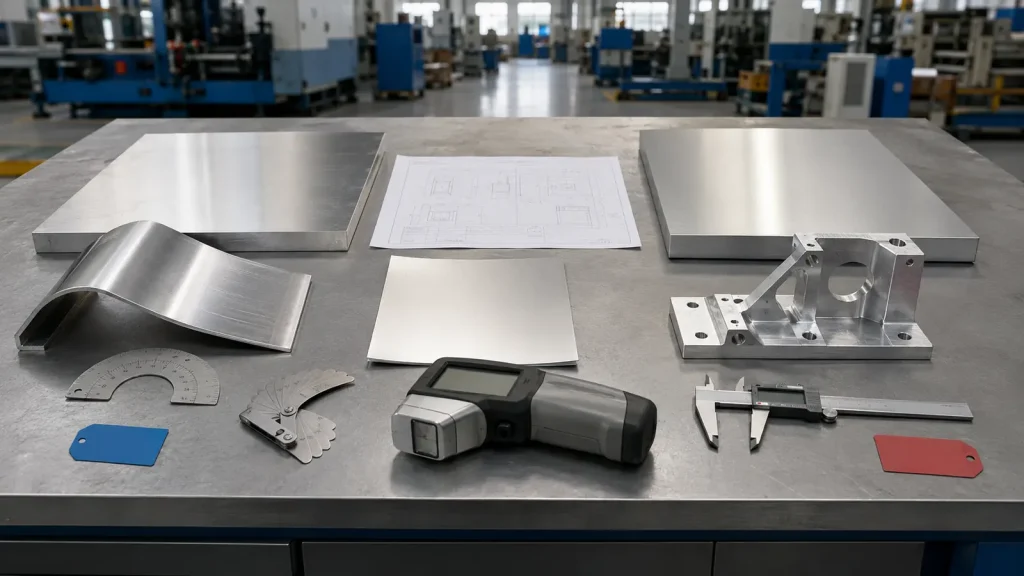
There is no single aluminum sheet thickness suitable for every guitar amplifier or radio-interference shielding project. The correct choice depends on enclosure design, available space, forming needs, joining method, and the intended shielding arrangement.
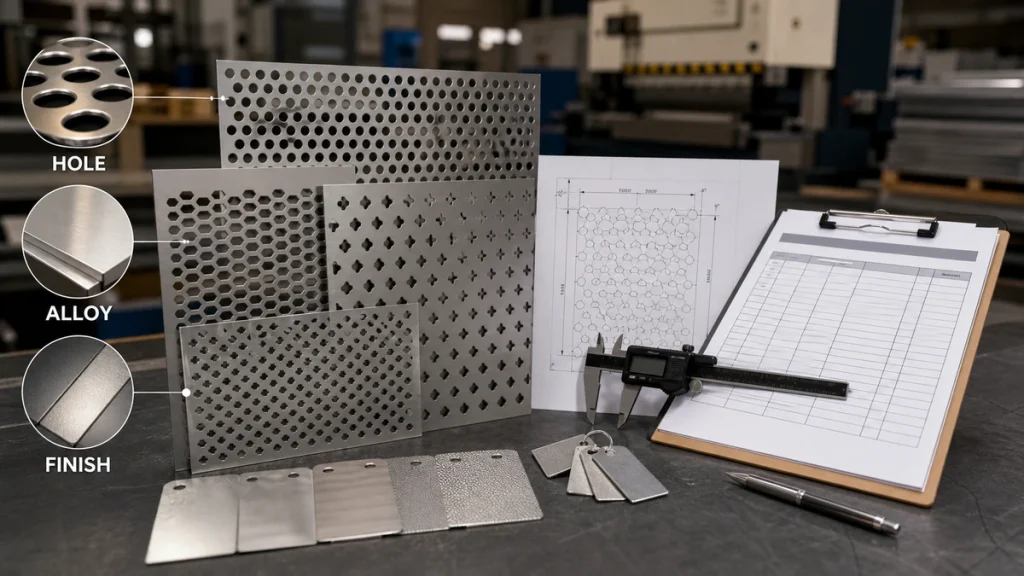
Ask suppliers to confirm alloy, temper, thickness tolerance, sheet size, finish, sample availability, packaging, and export handling. Provide drawings or reference samples so proposed products can be assessed for application fit before volume purchasing.
Begin with a clear project brief. State the equipment type, shielding location, approximate sheet dimensions, required thickness range, quantity, destination market, and whether the material will be cut, bent, drilled, or assembled after delivery.
For customization planning, request a structured comparison covering alloy and temper, thickness tolerance, surface condition, flatness, edge treatment, available formats, and production options. If the design is still under review, ask for samples in more than one thickness where practical.
Packaging should be treated as a sourcing requirement, not an afterthought. Confirm sheet separators, moisture protection, outer case or pallet method, label content, bundle weight, and loading protection. Also ask which export documents and shipping marks can be prepared for your destination.
Before approving a supplier, define quality checks for dimensions, surface condition, quantity, and packaging integrity. Confirm how pre-shipment photos, inspection records, replacement discussions, and after-sales communication will be handled if goods arrive with a discrepancy.