Ask whether you need aluminum sheet for an in-house build or a finished, formed prototype. A sheet manufacturer may supply the specified alloy, temper and thickness; a fabrication supplier may also cut, bend and finish the part. Those are different scopes, even if both can respond to the same drawing.
For a formed part, alloy and temper affect bendability as well as stiffness. A material substitution may be fine for checking overall fit but unsuitable for approving a production bend. If appearance matters, specify whether the prototype needs bare metal or a representative finish; anodizing adds a coating, so distinguish base-metal thickness from finished dimensions.
Start with the test. For hole positions and outline clearance, a flat profile may be enough. For an enclosure, bracket or cover, include bend locations, mating parts and the features that must align after forming. Mark critical dimensions separately from those that can change during iteration.
Choose sheet thickness, alloy and temper together rather than selecting by gauge alone. Thickness affects stiffness and fit; temper affects how readily the sheet forms. If you plan to change material between prototype and production, identify which test results will need repeating.
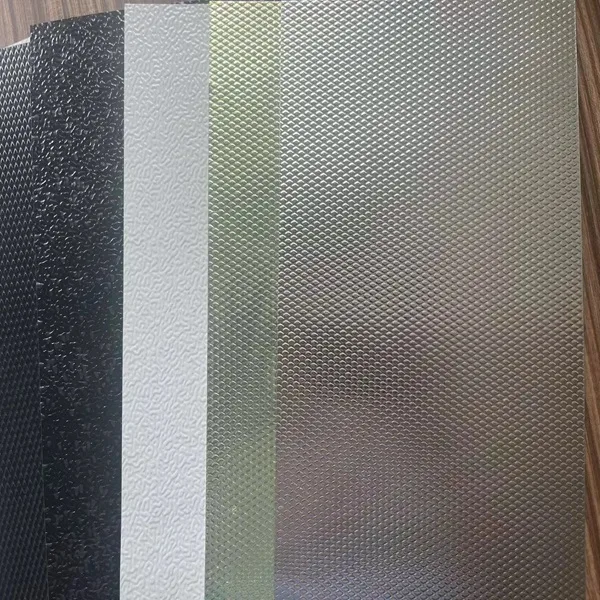
Treat finish as a design choice, not a cosmetic afterthought. An unfinished part can expose forming issues and speed up an early fit check. A finished sample is more useful for checking visible surfaces or coated-part fit. State which faces are visible and which dimensions matter after finishing.
If you are comparing suppliers in China, ask whether the quote covers sheet stock only or a complete fabricated part. Confirm who will perform cutting, forming and finishing, and whether the factory can review the drawing for bend and material choices. Send a drawing or sketch with the intended test, material preference and required finish so the response addresses the same scope.