

Metal Grating bar aluminum Grating for walkway
Manufactured from lightweight, corrosion resistant ASTM B221, 6063 or 6061, Aluminum grating bar is ideal for both industrial and architectural applications.
Read MoreAluminum Sheet Breakers: Questions for a China Manufacturer | SUZHOU TOP METAL MATERIALS CO.,LIMITED
A breaker for aluminum sheets may mean equipment that reduces sheet into smaller pieces. Before choosing one, decide what the output must be: manageable scrap, pieces for further processing, or clean-edged blanks. Those jobs call for different equipment.
Aluminum sheet can bend rather than fracture cleanly, so sheet thickness, alloy and temper affect the result. If you mean a bending brake rather than a sheet-breaking machine, say so at the start of your inquiry.
Manufactured from lightweight, corrosion resistant ASTM B221, 6063 or 6061, Aluminum grating bar is ideal for both industrial and architectural applications.
Read More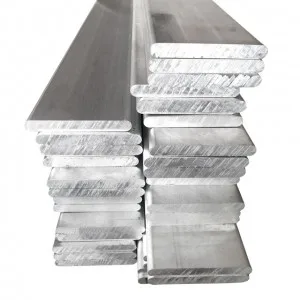
China Flat bus bar 1050 1350 1060 1070 1370 Aluminum Busbar for Transformers In Electric power distribution, a busbar also called bus bar, buss bar or busbar, which is a metallic strip or bar, typical…
Read More
Plain 3003 Aluminium Alloy Plate Aluminum Roofing Coil For Trailer 3000 series aluminum Plate are widely used in construction,decoration,pipe, packing,automobile,air conditioner ,pot,containers,refrig…
Read More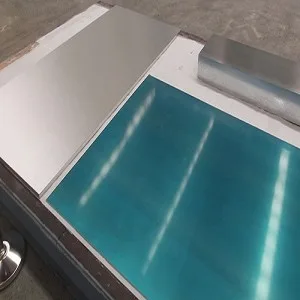
High strength 5005 Aluminium Plate Alloy 2mm 3mm 4mm for Architectural applications 5005 aluminium alloy plate is an aluminium alloy with good resistance to atmospheric corrosion. It is used in decora…
Read More
3003 Aluminum Sheet Features ♦ Alloy: 3003 ♦ Temper: H14, H16, H18, H22, H24, H26, O ♦ Thickness(mm):0.25-10 ♦ Width(mm):800-2200 ♦ This series aluminum sheet is anticorrosive and its production techn…
Read More
Mill Finish Aluminum Sheet Circle 1060 1070 1100 3003 Aluminum Plate For Cookware Aluminum circle 1050 1060 1070 3003 etc is mainly used in making cookware, like non-stick pan, pressure cooker, hardwa…
Read MoreEquipment and process distinctions
Compare equipment by the operation it performs, the sheet sizes and material conditions it accepts, and the quality of the pieces it produces. The intended use of the output is the quickest way to narrow the choice.
| Criterion | What To Check | Why It Matters | Buyer Tip |
|---|---|---|---|
| What the machine must do | Confirm whether “breaker” means a brake for bending, a shear for cutting, or equipment for breaking down scrap. | These are different machines; the name alone will not identify the right one. | Send a manufacturer in China a drawing or photo of the intended result. |
| Sheet size and thickness | Compare the largest sheet width and thickness in your job with the machine’s stated working capacity. | A machine may accept the material but not accommodate the full sheet or perform the operation consistently. | Ask suppliers to confirm capacity for your actual aluminum sheet, not just a general machine rating. |
| Alloy and temper | Identify the alloy and temper, then request a trial with the specified sheet if the operation is critical. | Formability and cutting behavior vary; a setup that works on soft sheet may not suit a harder temper. | Tell the factory which alloy and temper the trial must use. |
| Required finished result | For bending, compare bend angle and surface marks; for cutting, inspect edge condition and distortion. | A part can meet its basic shape while still needing rework or being unsuitable for a visible surface. | Agree on an acceptable sample part before choosing tooling. |
| Sheet handling and finish | Check how the machine supports large sheets and contacts coated, anodized or embossed surfaces. | Poor support can distort a panel, while contact points can mark a finished face. | Specify which face must remain visible and ask how it will be protected during processing. |
For scrap reduction, a breaker or shredder can accept less regular feed and produce irregular pieces. If the pieces need straight edges or consistent dimensions, a shear or another controlled cutting process is the more relevant choice. A bending brake does not separate the sheet; it forms a bend.
Surface finish also changes the decision. Coated, embossed or anodized sheet may be acceptable as mixed process scrap, but visible finished parts need handling and cutting methods that protect the surface.
Start with the incoming material. Flat sheets, offcuts and formed panels feed differently; large sheets may also need a different handling arrangement from small scraps. Give the manufacturer in China the alloy and temper if known, along with the sheet thickness range and largest incoming piece.
Define the output by what happens next. Irregular pieces may suit recycling, while downstream forming or assembly may require controlled dimensions and edges. Ask suppliers to explain which process matches that requirement rather than assuming every machine described as a breaker performs a clean cut.
Consider how the material arrives at the machine and leaves it. Mixed offcuts, protective film, coatings and attached materials can affect feeding and scrap separation. A factory discussion should cover these conditions and how the proposed equipment accommodates them, not just the nominal sheet size.
Send a sample description or drawing and state whether the priority is scrap reduction, clean cutting or bending. Ask SUZHOU TOP METAL MATERIALS CO.,LIMITED whether it supplies the equipment you mean or can instead discuss the aluminum sheet material for your process.
| Criteria | Importance | Description | Example Options |
|---|---|---|---|
| Feed form | Can determine whether material enters the machine consistently. | Compare the proposed approach against the shapes you actually have, not sheet thickness alone. | Loose flat sheets and tangled stamping offcuts present different feeding conditions. |
| Output consistency | Matters when the next process has a defined size or shape requirement. | Distinguish an irregular broken output from pieces that need controlled dimensions. | A recycling stream may accept varied pieces; blanks for assembly need a cutting process. |
| Mixed-material handling | Affects the usefulness of the recovered aluminum. | Clarify how film, coatings and attached non-aluminum parts are identified and separated. | A formed panel with fasteners needs a different handling plan from clean sheet offcuts. |
| Basis for capacity claims | Helps make proposals comparable under real feed conditions. | Ask what material form, feed method and output requirement a stated capacity assumes. | A rate based on uniform flat sheets may not describe performance with irregular offcuts. |
Related Options
For a recycling operation handling irregular aluminum offcuts, reliable feeding and practical scrap handling matter more than a precise cut edge. For blanks that will become finished parts, dimensional control and edge condition take priority.






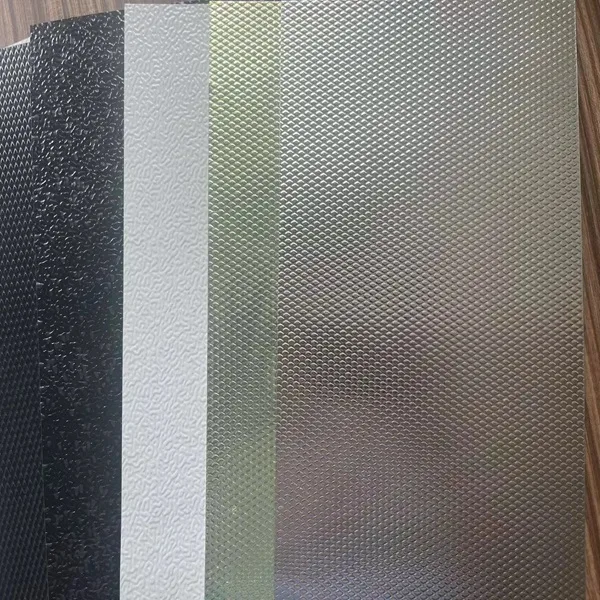
Embossed aluminum sheet for freezer liners should be evaluated in both its flat and formed conditions before production quantities are approved. A flat sheet sample helps verify the alloy, temper, bas…
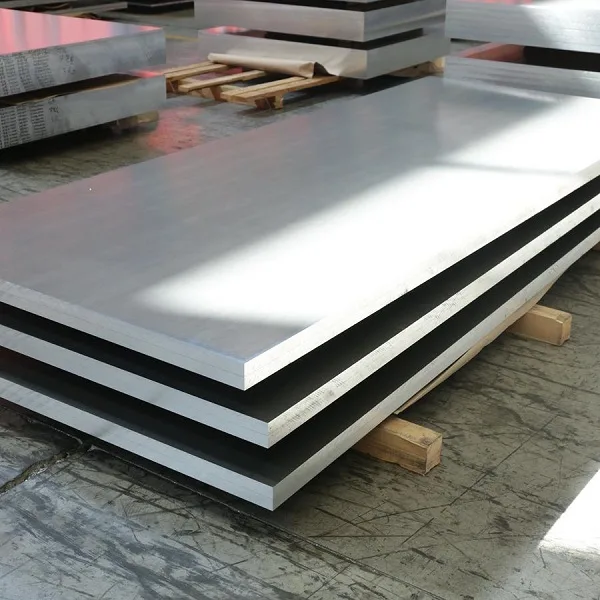
5454-H32 and 5454-O aluminum sheet are two material conditions of the same aluminum-magnesium alloy, but they offer different mechanical characteristics and fabrication behavior. The main distinction …

Perforated aluminum sheet can provide a ventilation path, but open-area percentage is not an airflow or pressure-drop rating. Begin with the hole pattern, calculate the openings available after solid …

Stucco embossed aluminum sheet changes the surface appearance of insulation jacketing. Its irregular texture makes minor handling marks less conspicuous and reduces glare compared with a smooth finish…

Direct Answer: Buyers should ask an anodised aluminum sheet supplier China sourcing teams are reviewing to define the base alloy, temper, thickness, sheet size, anodizing sequence, finish, color-contr…
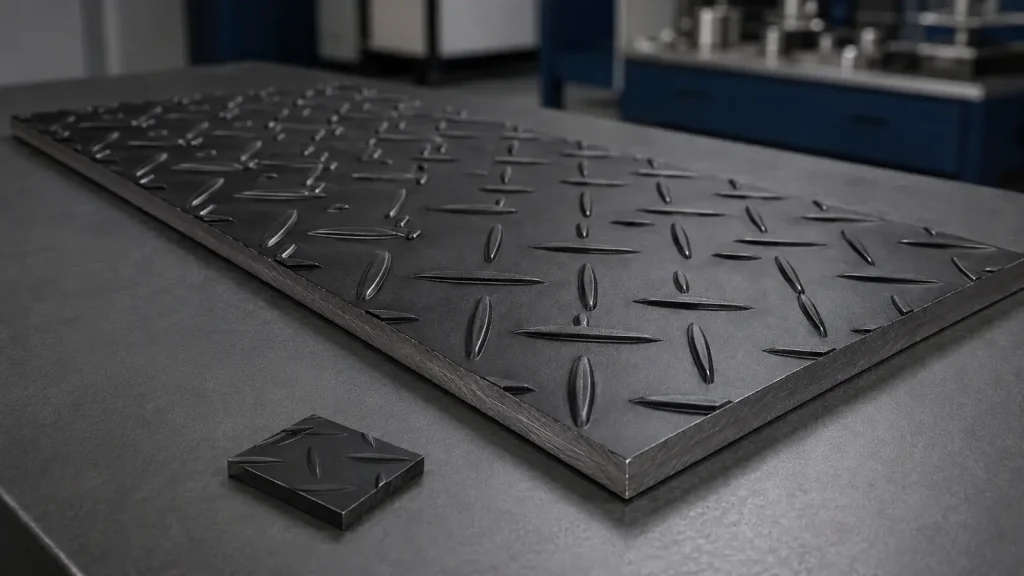
Buyers should evaluate black anodized aluminum tread plate as a complete material-and-finish specification, not as a black decorative surface alone. A workable purchase specification identifies the al…
Not necessarily. Thin, flexible offcuts can feed differently from flat sheets, even when the alloy and thickness are similar. Ask for an assessment using a representative mix of the material you actually generate.
No. Smaller pieces may make downstream handling easier, but they can also add processing and make separation from film, coatings or other material more difficult. Agree on an output range that suits the next process rather than specifying the smallest possible pieces.
Breaking the sheet is not the same as separating its components. Identify any film, fasteners or other attached materials and ask how they would be handled before or after size reduction.
Give each supplier the same description of the typical and largest pieces, material mix and required output. Ask what feed conditions their proposal assumes and how they would check the resulting pieces against your requirements.
Tell us whether you need scrap reduction, clean cutting or bending; include the sheet thickness range, largest incoming size and required output.