If you are searching for how to cast an aluminum sheet, the practical B2B goal is to identify whether a supplier can support your required sheet size, alloy direction, surface expectations, tolerance needs, and downstream processing plan.
For sourcing, compare suppliers by their ability to explain process fit, provide inspection information, respond to technical questions, and prepare quotations based on drawings, samples, target quantities, lead-time needs, and packaging requirements.
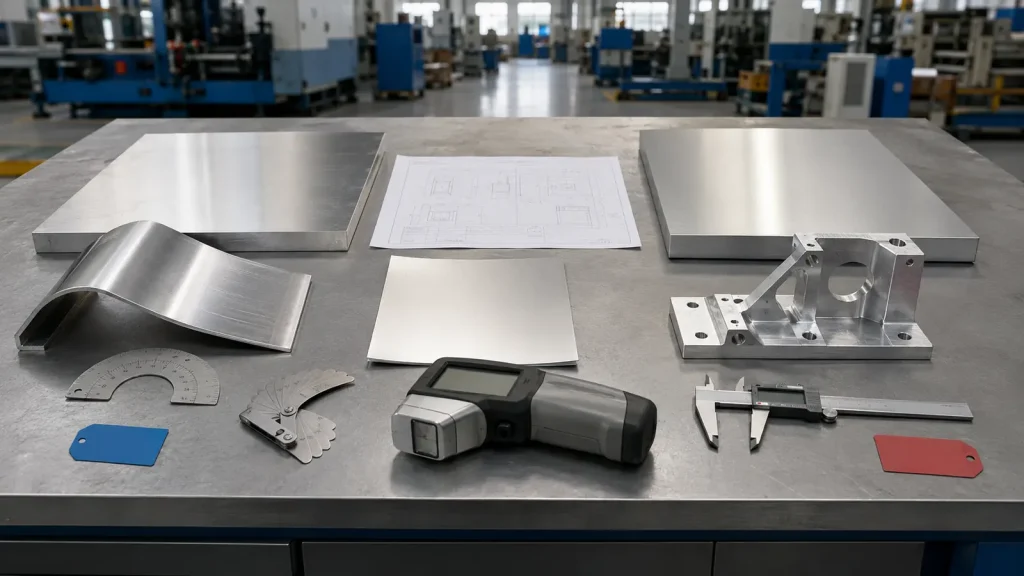
Start your RFQ by describing the new product line, target application, sheet dimensions, material preferences, surface requirements, and any later cutting, forming, machining, or finishing steps. If drawings are not final, share reference samples or expected performance priorities.
Ask each supplier what inspection points are normally reviewed for the related product, such as dimension checks, surface condition, material documentation, packaging condition, and order traceability. Confirm which documents can be provided with samples and bulk orders.
For bulk order preparation, include estimated annual demand, first order quantity, delivery destination, requested packing method, carton or pallet needs, labeling requirements, and any handling restrictions. These details help suppliers quote more accurately and avoid packaging changes late in the process.
When comparing supplier replies, look beyond unit price. Review how clearly they answer lead-time questions, whether they ask useful follow-up questions, and how well their related product options match your development stage, quality review process, and approval schedule.