

Thick Aluminum Sheet
The next finer classification is the aluminium sheet standard sizes. Standard aluminium sheet sizes include aluminium sheet metal thickness, width and length. When ordering aluminum alloy sheet, custo…
Read MoreMost Common 187 Thick Aluminum Sheet Material Selection Guide | SUZHOU TOP METAL MATERIALS CO.,LIMITED
For a part specified as 0.187-inch-thick aluminum sheet, the alloy and temper matter as much as the thickness. A formed enclosure, a flat machined panel and a welded cover may each call for a different material. If the drawing says only “187 aluminum,” confirm the intended thickness and how the part will be made before selecting a grade.
The next finer classification is the aluminium sheet standard sizes. Standard aluminium sheet sizes include aluminium sheet metal thickness, width and length. When ordering aluminum alloy sheet, custo…
Read More
1050 aluminum sheet is the most useful sort of series 1000 aluminum alloy. As a kind of pure aluminium sheet, 1050 aluminium sheet is excellent on corrosion resistance, thermal conductivity and electr…
Read More
Mill Finish Aluminum Sheet Circle 1060 1070 1100 3003 Aluminum Plate For Cookware Aluminum circle 1050 1060 1070 3003 etc is mainly used in making cookware, like non-stick pan, pressure cooker, hardwa…
Read More
A stucco embossed finish is designed to have superior durability, reduce glare and reflectivity, and also to give aluminum a decorative finish. The stucco aluminum sheet is also a finish that can stan…
Read More
High glossy reflective Specular bright alloy 1085 anodized aluminum mirror finish sheet 1085 aluminium bright mirror sheet coil 1085 H24, H18, H19 Thickness: 0.3-1.0mm Width: 250mm-1500mm Surface: Bri…
Read More
3003 Aluminum Sheet Features ♦ Alloy: 3003 ♦ Temper: H14, H16, H18, H22, H24, H26, O ♦ Thickness(mm):0.25-10 ♦ Width(mm):800-2200 ♦ This series aluminum sheet is anticorrosive and its production techn…
Read MoreMaterial selection
Compare 0.187-inch aluminum sheet by alloy, temper, thickness tolerance and surface condition. Those choices determine whether the material suits the part’s bends, machining and final appearance.
| Criterion | What To Check | Why It Matters | Buyer Tip |
|---|---|---|---|
| Thickness designation | Confirm whether “187 thick” means 0.187-inch sheet or nominal 3/16-inch material, and ask for the thickness tolerance. | The two designations are close but not identical; the allowed variation matters if the sheet must fit a slot or mating part. | Which thickness designation and tolerance does your drawing require? |
| Alloy for the application | Compare 5052 for formed parts and corrosion exposure with 6061 for parts that need higher strength or machining. | The alloy changes how the sheet forms, machines and performs in service. | Will the part be bent, machined, welded or exposed to moisture? |
| Temper and bend requirements | Specify the temper and review the intended bend radius and direction before selecting material for a formed part. | Sheets of the same alloy and thickness can behave differently during bending when their tempers differ. | Can the proposed alloy and temper accommodate the bends on the drawing? |
| Sheet size and flatness | Provide the required blank dimensions and any flatness requirement, especially for large panels or precision-cut parts. | A suitable thickness alone does not ensure the sheet will lie flat enough or yield the required blanks. | What sheet size and flatness tolerance can be confirmed for this order? |
| Surface and finishing | State which face is visible and whether the sheet will be anodized, painted or used as supplied. | Surface condition affects appearance, while a finish can change how a close-fitting part should be dimensioned. | Is a particular surface finish or protective film needed for the visible face? |
There is no single most common alloy for every 0.187-inch sheet application. 5052-H32 is a practical starting point for parts that need forming and corrosion resistance; 6061-T6 is often considered where higher strength or machining matters, but it is less forgiving of tight bends. 3003-H14 can suit general-purpose formed parts with lower strength demands. The right choice depends on the finished part, not thickness alone.
Start with fabrication. Specify the bend direction and inside radius for formed parts rather than assuming any alloy at this thickness will take a tight bend. If the part will be welded, check whether strength near the weld matters, particularly with heat-treated 6061.
State the required thickness as a decimal and include its tolerance. A nominal 3/16 inch is 0.1875 inch, while “0.187 inch” may be read as a distinct target. If fit is critical, confirm whether the tolerance applies to bare sheet or to the finished, coated part.
Match the surface to its job. A visible panel may need a defined finish and protection during handling; a part destined for painting or anodizing needs a suitable base material and surface condition. Do not assume a finish will hide scratches or that coating thickness can be ignored in a close fit.
Send the drawing or describe the application, required alloy and temper if known, sheet dimensions, quantity and fabrication steps. If the grade is undecided, ask SUZHOU TOP METAL MATERIALS CO.,LIMITED which alloy-temper options it can offer for those requirements.
| Criteria | Importance | Description | Example Options |
|---|---|---|---|
| Forming requirements | Decisive for parts with bends | Alloy and temper affect how readily a sheet can be bent without cracking; the required radius and bend direction belong in the decision. | A bent cover may favor a different material choice from a flat panel. |
| Strength versus workability | Important when the part carries a load or needs extensive fabrication | A higher-strength temper is not automatically the better choice if the part also needs demanding bends. | Compare a machined mounting panel with a formed enclosure. |
| Solid versus perforated sheet | Important when the design includes holes or cutouts | Removing material changes panel stiffness and leaves less material near edges and fasteners. | Two panels of equal nominal thickness can behave differently if one has a dense hole pattern. |
| Surface condition and finish | Important for visible surfaces and close-fitting parts | Specify the required appearance and clarify whether dimensional requirements apply before or after finishing. | A visible anodized panel may need a defined base-metal surface as well as a finish requirement. |
| Nominal thickness and tolerance | Critical where the sheet must fit an existing assembly | State the intended decimal thickness and acceptable variation rather than relying on an informal size description. | A drawing that calls for 0.187 inch should state its tolerance if the fit is sensitive. |
Related Options
For a bent equipment cover, begin with the bend radius and required corrosion resistance rather than choosing a higher-strength grade by default. A flat machined mounting panel may lead to a different alloy and temper.

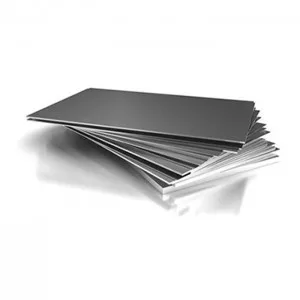



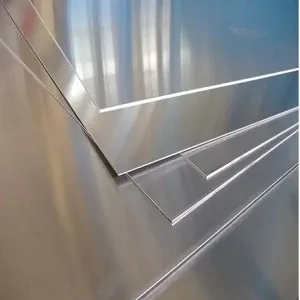

5052 aluminum sheet and plate are flat-rolled aluminum-magnesium products considered for parts that need formability, corrosion resistance and moderate strength. Choosing the material means specifying…

Anodized aluminum sheet thickness can mean two different things: the thickness of the aluminum substrate and the thickness of the anodic oxide layer. They are not interchangeable. Substrate thickness …

Perforated aluminum sheet can provide a ventilation path, but open-area percentage is not an airflow or pressure-drop rating. Begin with the hole pattern, calculate the openings available after solid …

When buyers search for a reflective aluminum sheet manufacturer, the key challenge is usually not finding a supplier website. The more important question is whether the supplier can provide a product …

A request for 6061 0 aluminum sheet is a temper-specific purchasing question, not simply a request for generic 6061 sheet. That distinction matters when a buyer compares supplier quotations. TOP METAL…
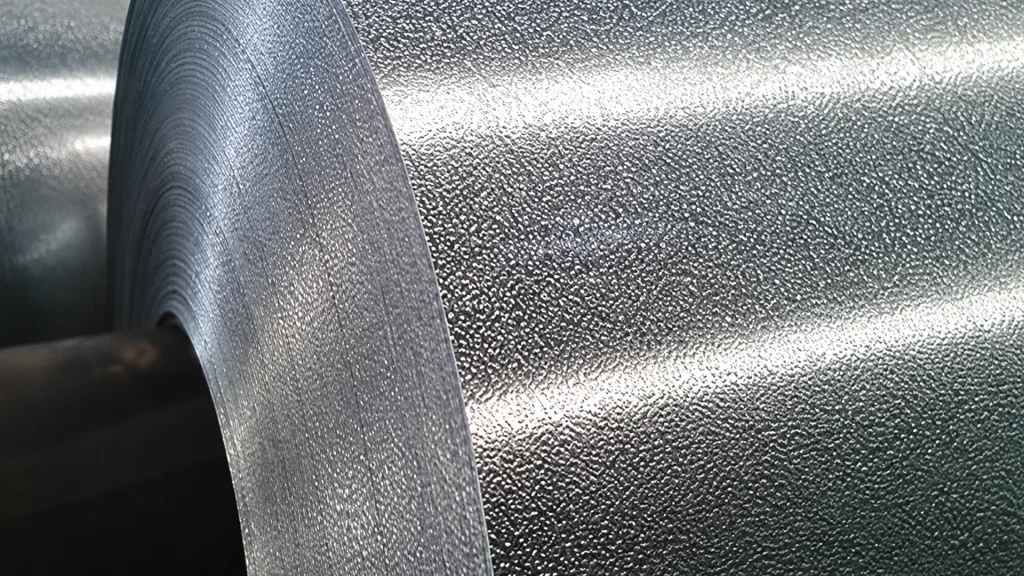
Stucco embossed aluminum sheet changes the surface appearance of insulation jacketing. Its irregular texture makes minor handling marks less conspicuous and reduces glare compared with a smooth finish…
It can be, but the alloy, finish and part design matter. 5052 is a reasonable material to consider where corrosion resistance and forming are priorities; confirm the exposure conditions and any appearance requirements before ordering.
6061-T6 may be the better starting point if machining and strength drive the design. If the panel also needs tight bends, compare the bend requirements before making that substitution.
No. Hole size, spacing and open area change stiffness and the amount of material available around fasteners. Provide the hole pattern and support locations when assessing a perforated panel.
No. Alloy, temper, part shape, attachment points and applied loads all affect the design. Have the bracket assessed against its actual service requirements rather than treating thickness as a strength rating.
Confirm the alloy and temper, thickness tolerance, sheet dimensions and required surface condition. If your project needs material traceability or inspection records, ask which documents can accompany the order.
Tell us the part’s application, required thickness tolerance and whether it will be bent, welded or machined.