

Thick Aluminum Sheet
The next finer classification is the aluminium sheet standard sizes. Standard aluminium sheet sizes include aluminium sheet metal thickness, width and length. When ordering aluminum alloy sheet, custo…
Read MoreStandard Aluminum Sheet Thickness: Questions for a China Manufacturer | SUZHOU TOP METAL MATERIALS CO.,LIMITED
Choosing aluminum sheet thickness starts with what the part must do. A cover that needs to bend cleanly may call for a different thickness than a flat panel that must resist flexing, even when both are described as standard sheet metal.
Specify thickness as a nominal dimension in millimeters or inches, then check the acceptable tolerance. A gauge number alone can leave room for a costly mismatch.
The next finer classification is the aluminium sheet standard sizes. Standard aluminium sheet sizes include aluminium sheet metal thickness, width and length. When ordering aluminum alloy sheet, custo…
Read More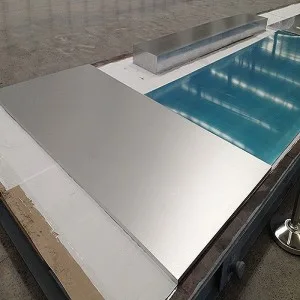
7075 aluminum alloy (AA7075) is an aluminum alloy with zinc as the primary alloying element. It has excellent mechanical properties and exhibits good ductility, high strength, toughness, and good resi…
Read More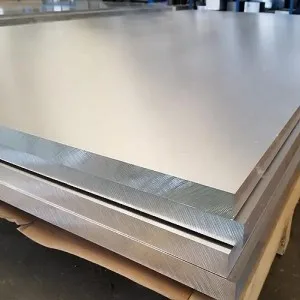
Aluminium / Aluminum alloys have high ductility and corrosionresistance,Aluminum 2618 alloy is an age hardenable alloy containing magnesium and copper. Aluminum 2618 is a highly ductile alloy featurin…
Read More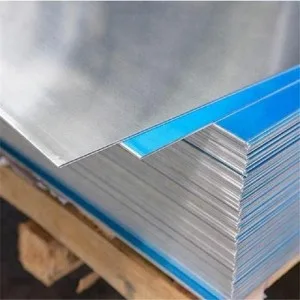
1060 aluminum sheet is another representative product in 1000 series aluminum alloys. 1060 aluminum alloy is formed by pure aluminum added by a small amount of copper element, which has excellent form…
Read More
3003 Aluminum Sheet Features ♦ Alloy: 3003 ♦ Temper: H14, H16, H18, H22, H24, H26, O ♦ Thickness(mm):0.25-10 ♦ Width(mm):800-2200 ♦ This series aluminum sheet is anticorrosive and its production techn…
Read More
Mirror Finish Alloy Metal Anodized Aluminum Plate Sheet is widely used in lighting reflectors and lamp decorations, solar heat collection reflective materials, interior architectural decoration, exter…
Read MoreSheet selection criteria
Compare aluminum sheet by nominal thickness, tolerance, alloy, temper and finish. The most useful combination depends on whether the sheet will be bent, kept flat or fitted against another part.
| Criterion | What To Check | Why It Matters | Buyer Tip |
|---|---|---|---|
| Nominal thickness versus gauge | Compare the stated thickness in millimeters or inches, not just the gauge number. | Gauge references can cause confusion when a drawing calls for a specific aluminum thickness. | Ask the manufacturer to confirm the nominal thickness in the units on your drawing. |
| Thickness tolerance | Request the allowable thickness range for the sheet being offered. | Variation can affect fit in slots, fasteners and formed assemblies. | Tell suppliers which mating dimensions have limited clearance. |
| Alloy and temper | Match the proposed alloy and temper to the intended bend or forming operation. | Sheets of the same thickness can behave differently during forming. | Send the factory your bend details and ask which alloy and temper it proposes. |
| Base metal versus finished thickness | Clarify whether the specified thickness refers to bare aluminum or a finished sheet. | A coating can change the final dimension where fit is tight. | For buyers in China comparing anodized sheet, ask whether the quoted thickness is measured before or after finishing. |
Is there one standard thickness for aluminum sheet? No. Sheets are offered in common nominal sizes, but the right choice depends on the alloy, temper, part size and forming method. If a drawing uses gauge, confirm its actual thickness rather than assuming it converts the same way as steel gauge.
Also distinguish base-metal thickness from finished thickness. An anodized or coated sheet may need separate requirements for the metal and the surface treatment, especially where parts must fit together.
Start with the part’s function. Thin sheet may save weight and bend more readily, but it can flex or dent more easily. Increasing thickness can improve rigidity while adding weight and changing the bend required by the design.
Choose alloy and temper alongside thickness, not afterward. A temper suited to a flat panel may behave differently during forming. If the part has tight bends, share the bend direction and finished geometry so the material choice can be checked against the design.
For panels that must sit flush or fit into a slot, state the permitted thickness range and whether it applies before or after finishing. Do not substitute a nearby nominal size without checking clearances and the effect on forming.
For buyers sourcing from China, compare suppliers using the same drawing and thickness units. Ask each manufacturer whether the requested alloy, temper and tolerance can be supplied; if factory origin matters to your purchase, ask them to confirm it. Send the intended use and finish with your drawing to get a more useful response than a thickness request alone.
| Criteria | Importance | Description | Example Options |
|---|---|---|---|
| Nominal thickness and tolerance | Critical for fit and consistent fabrication. | Compare the specified thickness range, not just the nominal size. | A sheet that fits a slot at nominal thickness may not fit across its full permitted tolerance range. |
| Alloy and temper | Important when the part must bend or retain its shape. | Thickness alone does not establish forming behavior; compare material condition with the intended geometry. | A formed cover and a flat panel may call for different temper choices at the same nominal thickness. |
| Flatness and support | Especially important for broad, visible or unsupported panels. | Consider whether the design can accept deflection or needs a frame, formed edge or different thickness. | A supported panel may meet its stiffness requirement with thinner sheet than an unsupported one. |
| Finish and thickness reference | Important where a finished part must fit a defined clearance. | State whether the thickness requirement applies to the base metal or the finished sheet. | An anodized component that fits against another part may need separate base-metal and finished-fit requirements. |
| Supply form | Relevant to cutting work, waste and receiving requirements. | Compare full sheets with cut blanks, and confirm size and edge requirements before ordering. | Cut blanks may reduce in-house cutting, while full sheets leave more flexibility for the cutting layout. |
Related Options
For a formed enclosure, bendability and finished fit matter more than choosing the thickest available sheet. Check the proposed alloy and temper with the drawing before settling on thickness.
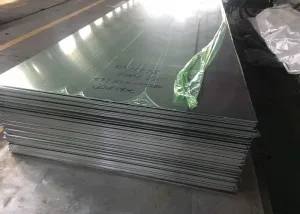






Anodized aluminum sheet thickness can mean two different things: the thickness of the aluminum substrate and the thickness of the anodic oxide layer. They are not interchangeable. Substrate thickness …
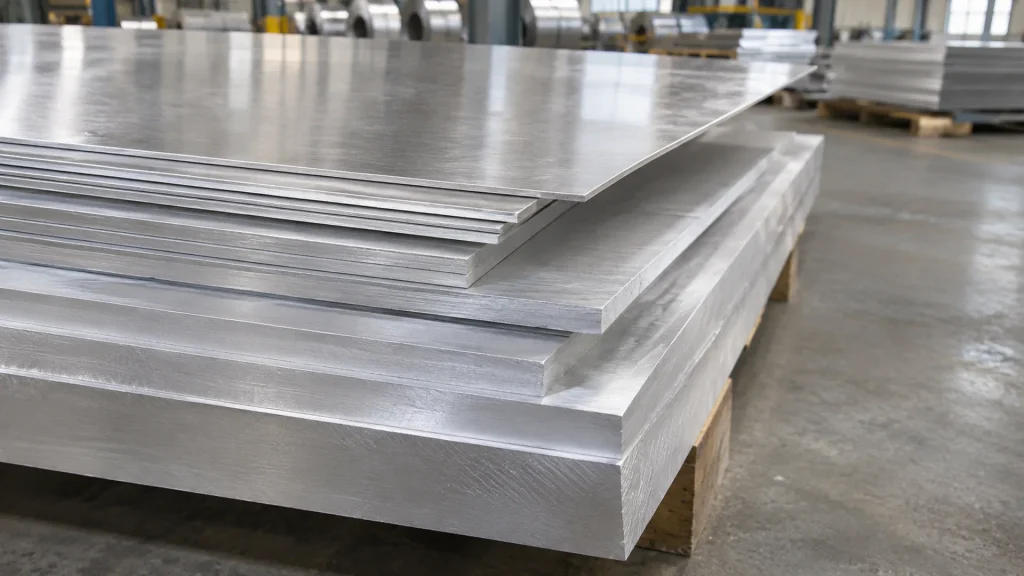
Aluminum sheet gauge numbers describe nominal thickness only when the gauge system and metal are identified. On a commonly used Brown & Sharpe (B&S) nonferrous gauge chart, 16-gauge aluminum i…

5052 aluminum sheet and plate are flat-rolled aluminum-magnesium products considered for parts that need formability, corrosion resistance and moderate strength. Choosing the material means specifying…
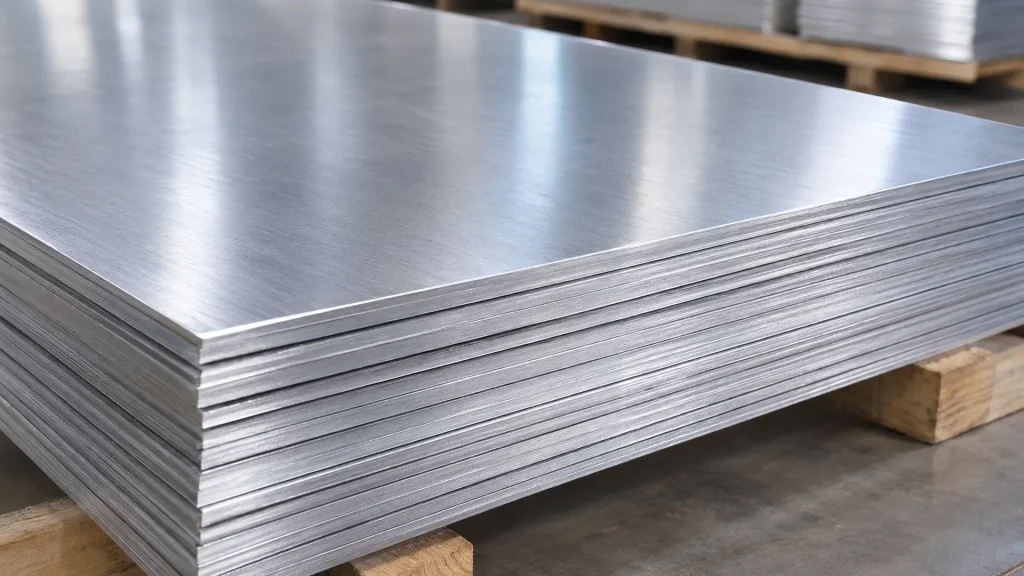
Yes, 1/8-inch (0.125-inch, 3.175-mm) aluminum sheet can be bent without cracking, but thickness alone cannot determine a safe bend radius. The alloy, temper, formed inside radius, bend-line orientatio…

Perforated aluminum sheet can provide a ventilation path, but open-area percentage is not an airflow or pressure-drop rating. Begin with the hole pattern, calculate the openings available after solid …

When buyers search for a reflective aluminum sheet manufacturer, the key challenge is usually not finding a supplier website. The more important question is whether the supplier can provide a product …
It depends on the unsupported span and how much deflection the panel can tolerate. A frame or formed edge may provide stiffness without increasing the thickness of the entire sheet.
Not necessarily. Hole size and open area affect stiffness as well as airflow, so compare the perforation pattern and support arrangement alongside the base-metal thickness.
Sheet and plate are useful purchasing categories, but their thickness boundaries can vary by supplier. Specify the required dimension, tolerance and application rather than relying on the category name alone.
Ask whether the requested cut size, dimensional tolerance and edge condition can be supplied. If the blanks will be formed or fitted into an assembly, include the drawing so those requirements can be checked together.
Send your drawing or intended application, the nominal thickness and tolerance you need, and any alloy, temper or finish requirement. Ask SUZHOU TOP METAL MATERIALS CO.,LIMITED to confirm what it can supply.