

0.5-10mm Pad Printing aluminum sheet and cliches
A Pad Printing aluminum sheet or aluminum cliches is a plate or pad that is made from aluminum and has the desired image or design etched or engraved onto its surface. The…
Read MoreWhats The Difference Between Sheet And Bar Aluminum Sourcing in China: Manufacturer, suppliers and factory | SUZHOU TOP METAL MATERIALS CO.,LIMITED
Use this page to evaluate China Whats The Difference Between Sheet And Bar Aluminum Manufacturer, Factory & Suppliers from the perspective of export order preparation. It brings together related products, practical selection checks, and buyer questions so your inquiry can be more specific from the beginning.
For a factory purchasing team, the most useful starting point is installation, usage, and after-sales questions. Review the product matches, comparison notes, FAQs, and recent buyer-style feedback before sending final requirements.
A Pad Printing aluminum sheet or aluminum cliches is a plate or pad that is made from aluminum and has the desired image or design etched or engraved onto its surface. The…
Read More
3003 Aluminum Sheet Features ♦ Alloy: 3003 ♦ Temper: H14, H16, H18, H22, H24, H26, O ♦ Thickness(mm):0.25-10 ♦ Width(mm):800-2200 ♦ This series aluminum sheet is anticorrosive and its production techn…
Read More
5052 is an aluminium alloy, primarily alloyed with magnesium and chromium 5052 aluminum is the highest strength alloy of the more non-heat-treatable grades. Its resistance to fatigue is better than mo…
Read More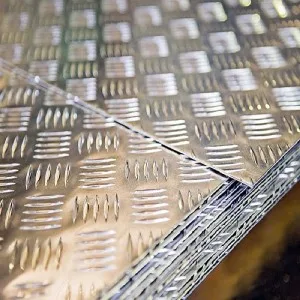
tool box fabrication aluminum brite plates 5 bars aluminum checker plate factory Aluminum checker sheet was commonly known as an aluminum checker plate and sometimes spelt aluminum chequer plate, an a…
Read More
China brushed anodized aluminum sheet copper color anodising black aluminium plate Anodized aluminum sheet is a sheet metal product consisting of aluminum sheeting exposed to an electrolytic passivati…
Read More
Mill Finish Aluminum Sheet Circle 1060 1070 1100 3003 Aluminum Plate For Cookware Aluminum circle 1050 1060 1070 3003 etc is mainly used in making cookware, like non-stick pan, pressure cooker, hardwa…
Read MoreProduct Guide for Sheet and Bar Aluminum Selection
The related product list helps you compare China Whats The Difference Between Sheet And Bar Aluminum Manufacturer, Factory & Suppliers by actual product direction rather than keyword wording alone. Check whether each product supports export order preparation, then use the table below to prepare a clearer RFQ.
| Criterion | What To Check | Why It Matters | Buyer Tip |
|---|---|---|---|
| Product form | Sheet is flat stock; bar is long solid stock. | Form affects cutting, handling, and installation. | State the required form in the RFQ. |
| Application fit | Use sheet for covers or panels; bar for supports or machined parts. | Matching form to use reduces specification errors. | Share a sketch, photo, or application description. |
| Size details | List sheet length, width, thickness; bar length and section. | Complete dimensions support comparable quotations. | Add tolerance needs where critical. |
| Export packaging | Confirm protection, bundling, labels, and loading method. | Packaging must match the export order plan. | Request packaging details with the quote. |
| Samples and timing | Confirm sample size, approval steps, and target shipment date. | These details clarify lead-time questions. | Include quantity, destination, and sample feedback date. |
Sheet aluminum is generally selected for flat, wide surfaces, panels, covers, cladding, and parts that need cutting or forming. Bar aluminum is generally selected for solid profiles, supports, machined components, and applications where shape, thickness, or strength distribution matters.
For B2B sourcing, the key difference is not only the shape. Buyers should match sheet or bar aluminum to processing method, installation position, tolerance needs, surface finish, packaging method, order quantity, and after-sales questions before requesting a quotation.
Before sending an RFQ, define whether the order needs aluminum sheet, aluminum bar, or both. Include application photos, drawings, required dimensions, grade requests if available, surface finish, tolerance expectations, and whether the material will be cut, bent, welded, machined, or assembled.
For bulk order preparation, confirm the quantity range, destination port or delivery location, requested lead time, and packing requirements. Export orders may also need pallet details, moisture protection, labeling instructions, and document requirements, so these points should be raised early.
Sample confirmation can reduce uncertainty when comparing sheet and bar options. Ask whether the sample should match thickness, width, surface condition, alloy reference, or machining performance, and confirm how the approved sample will be linked to later production orders.
When reviewing supplier replies, compare more than unit price. Check whether the response answers installation, usage, packaging, lead-time, and after-sales questions. A practical quotation should make it easier for the purchasing team to confirm application fit and shortlist related aluminum products.
| Criteria | Importance | Description | Example Options |
|---|---|---|---|
| Product form | Application match | Sheet is flat; bar is solid profile. | Panel vs machined support |
| RFQ dimension focus | Quotation accuracy | Sheets need thickness and size; bars need diameter or section. | 2mm sheet, 20mm bar |
| Installation use | Fit and function | Sheet covers areas; bar supports or spaces parts. | Cover plate vs spacer |
| Packaging concern | Export handling | Sheets need surface protection; bars need bundling. | Interleaved sheets, tied bars |
| Sample review | Risk reduction | Check surface, tolerance, and processing response. | Bending test or machining trial |
Recommended Products
Top product matches should be reviewed by fit, specification clarity, customization readiness, and how well they support RFQ preparation. Use these factors to shortlist practical options before contacting the supplier.






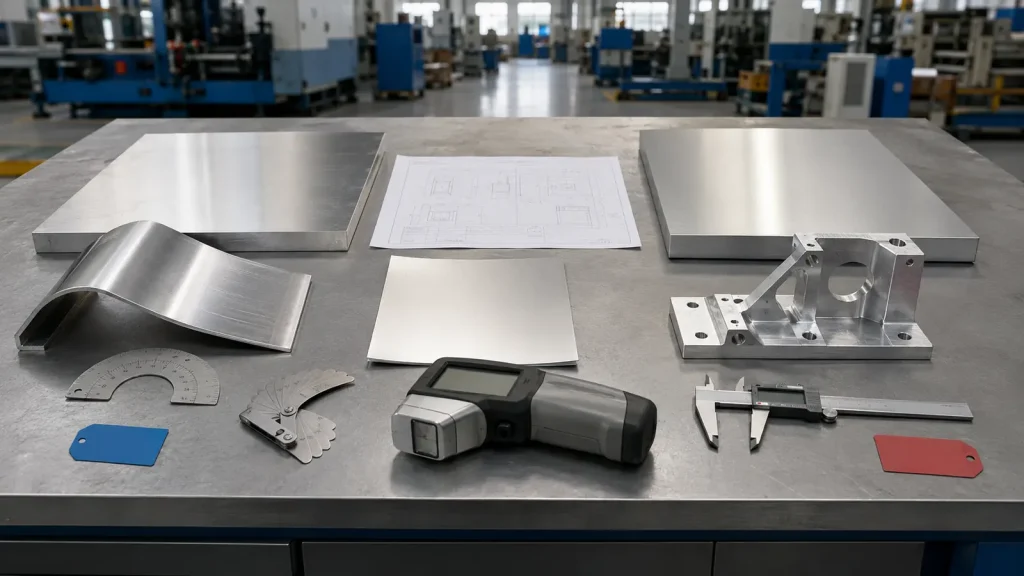
6061-T4 and 6061-T6 are not different aluminum alloys; they are different temper conditions of alloy 6061. Buyers should not treat T6 as a universally “better” version of T4. The correct t…
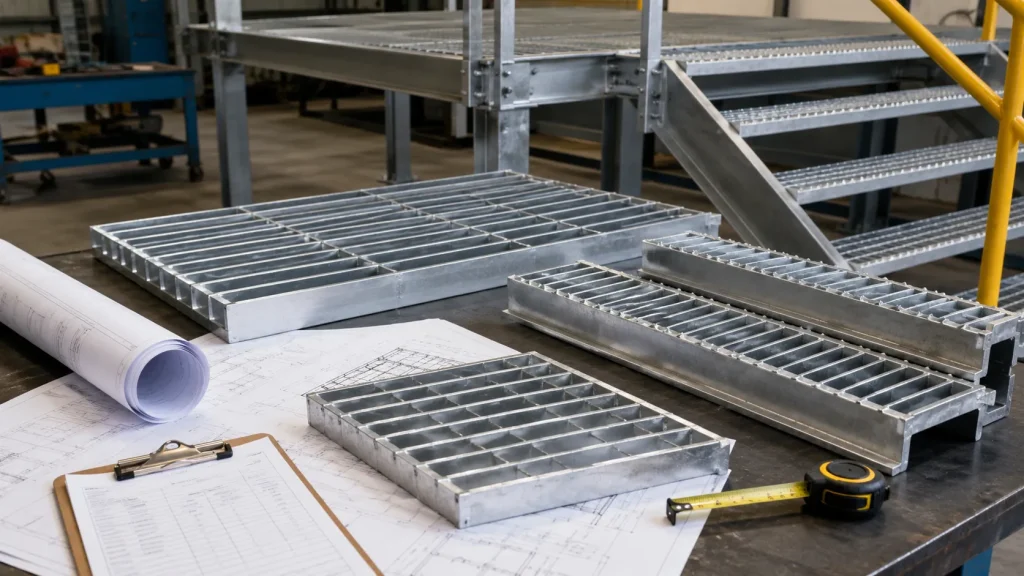
Direct Answer: Buyers should specify aluminum bar grating from the load path outward: first define the walkway or stair application, clear span, support layout, load and deflection basis; then confirm…
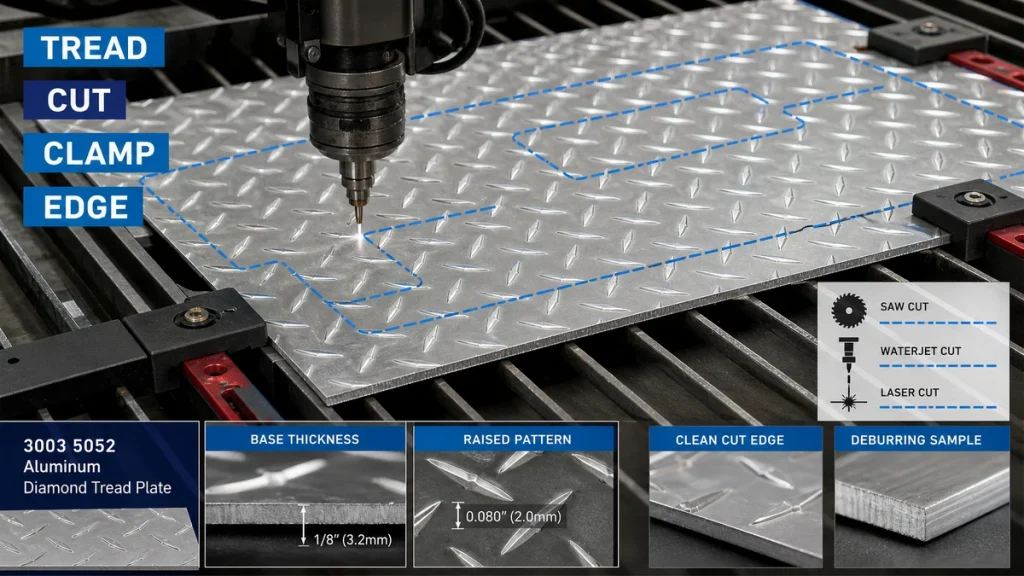
How Should Fabricators Cut Diamond Tread Aluminum Sheet Without Distorting the Pattern or Edges? For fabricators of flooring, steps, toolboxes, and industrial panels, when assessing how to cut diamond…
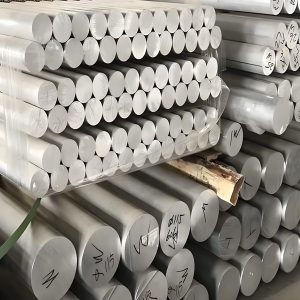
6061-T6 aluminum bar for CNC and structural parts

Direct Answer: Buyers should ask an anodised aluminum sheet supplier China sourcing teams are reviewing to define the base alloy, temper, thickness, sheet size, anodizing sequence, finish, color-contr…
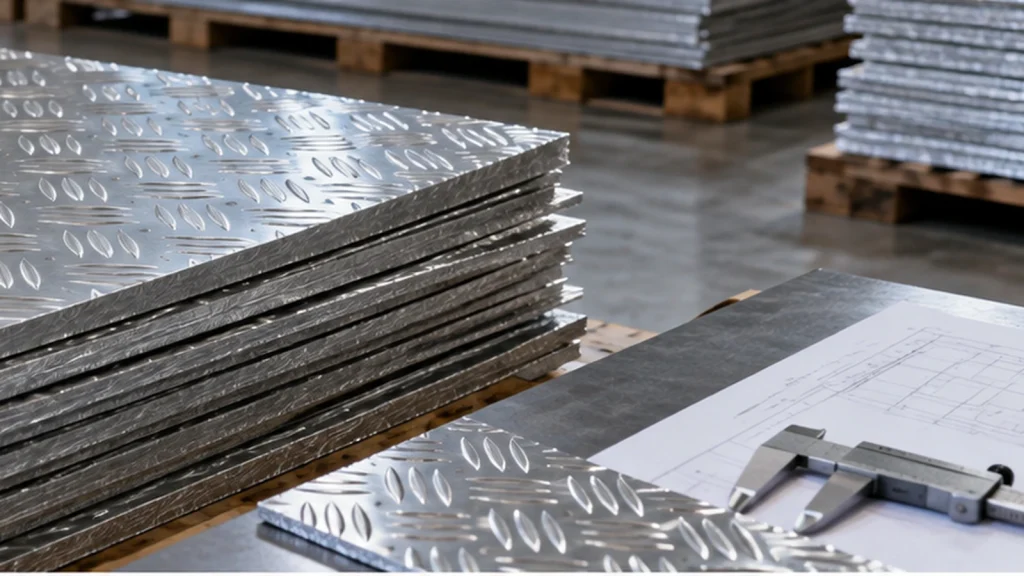
A 4×8 sheet of 1/4 inch aluminum price quotation becomes useful only after the buyer confirms that every supplier is pricing the same product and delivery scope. For this procurement path, the ta…
These review-style notes reflect common buyer situations such as reviewing export order needs, organizing sample questions, confirming application details, and shortlisting related products before an RFQ.
I was comparing sheet and bar aluminum for a fabricated enclosure, and this page helped me separate flat stock requirements from solid bar machining considerations before contacting suppliers.
As a purchasing coordinator, I used the sheet-versus-bar aluminum explanation to clarify thickness, shape, and intended processing questions for our China supplier shortlist.
The comparison made sense for our maintenance team because sheet aluminum suits formed panels, while bar aluminum fits machined supports; I now know what details to request.
I needed to explain the difference between sheet and bar aluminum in an RFQ, and the page gave me clearer language for dimensions and application.
Prepare alloy grade, temper, sheet thickness or bar diameter, required length and width, quantity, surface requirement, packing preference, application, and destination port. These details help the supplier judge whether sheet or bar aluminum suits the export order.
Choose sheet aluminum when the part needs broad flat coverage, panels, bending, or surface area. Choose bar aluminum when machining, structural spacing, shafts, supports, or concentrated strength are more important. Share drawings to confirm suitability.
Ask what production or processing steps affect timing, whether cutting, surface treatment, inspection, and export packing are included, and when final specifications must be confirmed. Avoid assuming timing until alloy, size, quantity, and order scope are reviewed.
For sheets, mention protection against surface scratches, moisture, edge damage, and flatness concerns. For bars, mention bundling, end protection, labeling, and handling during loading. Export packaging should match product form, transport method, and buyer receiving conditions.
Request itemized details for alloy, temper, dimensions, tolerance, surface finish, processing scope, packing method, trade terms, and documentation needs. This makes sheet and bar quotations easier to compare without mixing different specifications or application assumptions.
Sample confirmation is useful when surface appearance, machining response, bending behavior, or dimensional tolerance is important. Provide the intended application and inspection points, then compare the sample result with your drawing or installation requirement before bulk confirmation.
Send your inquiry with application details, dimensions, quantity range, destination, lead-time expectations, packaging requirements, and any sample confirmation questions so the supplier can respond with more relevant information.