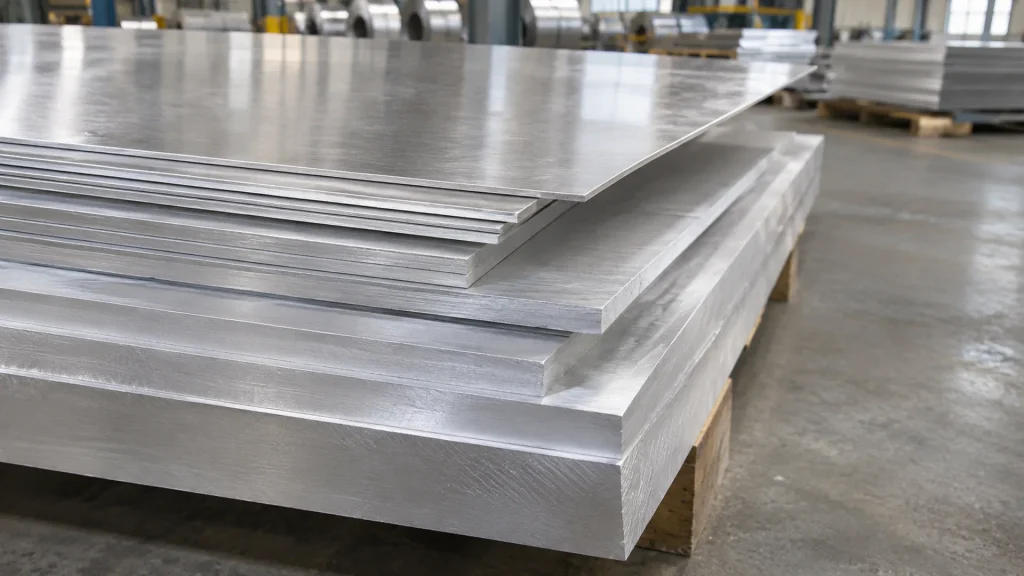
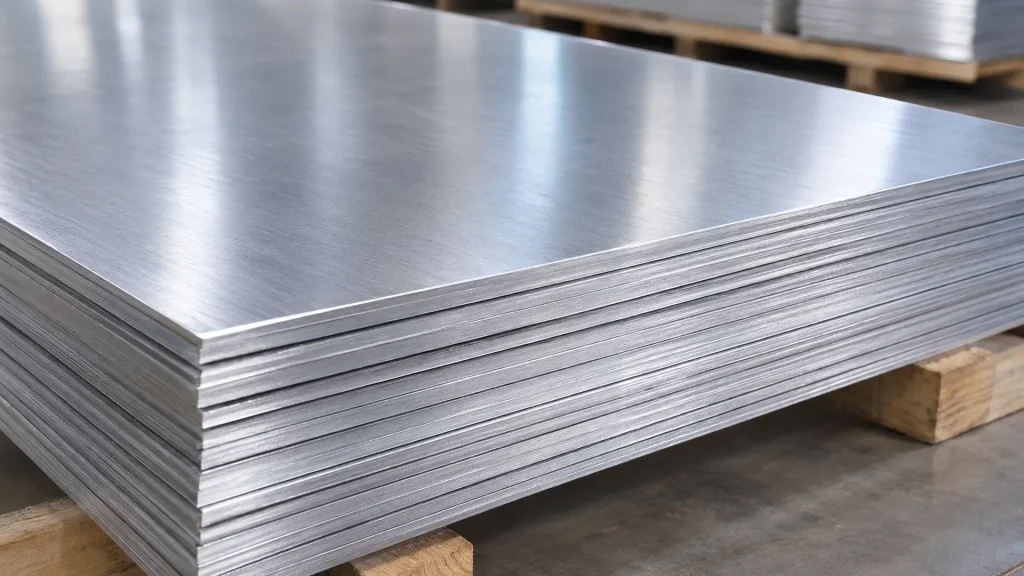
Thickness alone will not determine whether the sheet works. Alloy and temper affect how readily it forms and how stiff the finished part feels. A sheet intended for a bent cover may need a different temper from one intended for a flat panel, even when both are ordered at the same thickness.
Put the thickness in one unit on the drawing or inquiry, and identify whether the part will be bent, exposed outdoors or finished after cutting. That gives a manufacturer a clearer basis for recommending material.
Start with the finished part. For a panel or cover, consider its unsupported span, fastening points and acceptable flex. For a formed part, share the bend locations and required inside radii so the proposed alloy and temper can be checked against the design.
Specify whether the thickness is nominal or must meet a particular tolerance. Mixing inch notation with millimetres, or treating 1/6 and 1/16 inch as interchangeable, can lead to a sheet that does not fit the assembly.
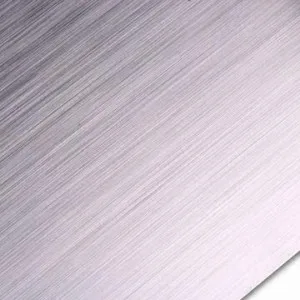
Choose the surface requirement to match the use. A visible face may need a more consistent appearance and careful handling; a concealed component may not. State whether the sheet will be painted, anodized or used as supplied, and confirm which finish options are available.
For buyers in China comparing suppliers, ask who will confirm the alloy, temper, dimensions and surface condition before an order is placed. If factory production matters to your purchasing process, ask the company how the sheet is produced and supplied rather than assuming every supplier operates its own factory.