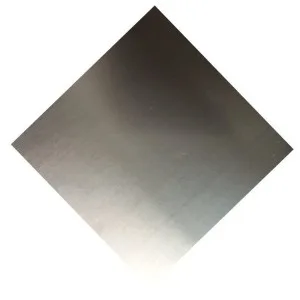
Aluminum Sheet for Fabrication | SUZHOU TOP METAL MATERIALS CO.,LIMITED

Aluminum Sheet for Fabricated Parts

For an aluminum sheet that will be cut, bent or finished, start with the finished part—not just a sheet size. Alloy and temper affect how the metal forms, while thickness and surface condition affect fit and appearance. Those choices narrow down what to request from a manufacturer.

Related Products

Match the sheet to the finished part

Sheet selection

Compare aluminum sheet options by alloy, temper, base-metal thickness, dimensions and surface condition. Add finish or perforation details only where the application calls for them.

Criterion What To Check Why It Matters Buyer Tip
Alloy and temper Match the specified alloy and temper to the part drawing and intended forming method. A sheet that bends easily may not provide the strength needed in the finished part. Will the sheet be bent, welded or used flat?
Thickness and dimensions State the required thickness, sheet size and dimensional tolerances. Small differences can affect fit, weight and cutting yield. Which dimensions are critical to assembly?
Surface finish Describe the required appearance, including any reflective, anodized or other finish. A suitable base sheet may still have the wrong appearance for an exposed part. Can you provide an approved sample or finish description?
Fabrication needs Provide drawings for holes, bends or cut profiles, and confirm which operations can be supplied. Perforation and forming requirements can change the appropriate sheet and production route. Do you need flat sheets or parts ready for assembly?
Sheet protection Confirm whether the visible face needs protective film and how sheets will be packed. Scratches acquired during handling can make otherwise usable sheet unsuitable for visible applications. Which face must remain free of handling marks?

Decide alloy, temper and surface requirements

A mill-finish sheet and a sheet intended for a visible, reflective or anodized surface may need different purchasing instructions. A cosmetic finish makes scratches, handling marks and surface consistency more important; a fabricated part may put more weight on forming behavior and dimensional tolerance. State which surfaces will remain visible before agreeing on the material.

Choose alloy and temper together. A part that needs substantial bending may call for a different temper from one that must hold its shape after fabrication. If your drawing specifies an alloy but not a temper, confirm the fabrication steps before requesting a substitute.

Give thickness, sheet dimensions and the tolerances that matter to the finished part. Check whether a stated thickness refers to the base metal or includes a finish, particularly for anodized sheet. Do not assume that nominally equal sheets will fit the same assembly.

Describe any perforations by hole size, pattern, spacing and edge requirements. Open area can affect airflow as well as the strength of the remaining sheet, so an appearance sketch alone may not settle a functional design.

Send SUZHOU TOP METAL MATERIALS CO.,LIMITED a drawing or application description, the required alloy and temper if known, and the finish and quantity needed. Ask which sheet options it can supply and what information it needs to confirm suitability.

Criteria Importance Description Example Options
Solid or perforated sheet Decisive when the panel must pass air, light or sound. Perforations add openings but remove metal; compare functional open area with the rigidity and appearance the part needs. A ventilation panel may need a specified hole pattern; a solid cover does not.
Mill finish or specified surface finish Important when a face remains visible or receives further finishing. A specified appearance calls for clearer surface and handling requirements than a concealed, utilitarian part. An exposed cabinet face may need an agreed viewing-face condition.
Full sheets or cut pieces Relevant when cutting waste, handling or part dimensions affect the purchase. Compare usable yield and required cut tolerances rather than assuming that either supply format is preferable. Repeated small blanks may suit cut pieces if the required sizes and edges are available.
Material thickness and finished thickness Critical when the sheet must fit a mating part. Clarify whether a dimension applies to the base metal or the finished sheet, and specify the tolerance that matters at assembly. An anodized panel fitted into a narrow channel needs an unambiguous thickness requirement.

Blog Articles / Reviews

6061 0 Aluminum Sheet: What Should Buyers Verify?

6061 0 Aluminum Sheet: What Should Buyers Verify?

A request for 6061 0 aluminum sheet is a temper-specific purchasing question, not simply a request for generic 6061 sheet. That distinction matters when a buyer compares supplier quotations. TOP METAL…

Frequently Asked Questions

Is aluminum sheet suitable for a part exposed to moisture?

It can be, but the alloy, finish and service environment matter. Describe the exposure and any cleaning chemicals so the proposed material can be assessed for the finished part.

Should I specify sheet or plate for a rigid component?

Do not choose by the name alone. Compare the required thickness, stiffness, weight and fabrication method; a thicker option may add rigidity but also weight and processing cost.

Does “6061-0” mean the same thing as “6061-O”?

Not necessarily. The letter O denotes an annealed temper, while a zero in a drawing or message may be a transcription error. Confirm the intended temper before ordering.

Can I order cut pieces instead of full sheets?

Ask what cut sizes are available and provide the required dimensions, tolerances and edge condition. If appearance matters, identify which face needs protection during cutting and handling.

What should I agree on before approving a visible finish?

Define the viewing face and the appearance you need, including any limits on scratches or handling marks. Ask how the proposed finish will be described and checked so both sides are assessing the same requirement.

Leave Your Message

Share the sheet dimensions and thickness, how the part will be fabricated, and any finish or visible-surface requirements. Ask which options are available for your application.