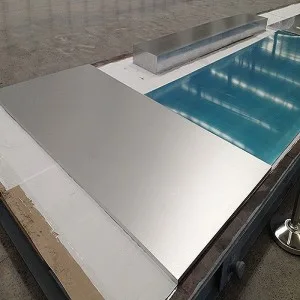
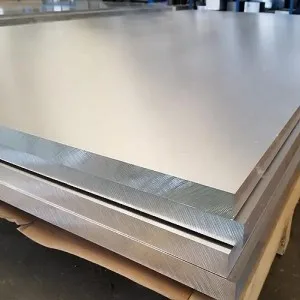
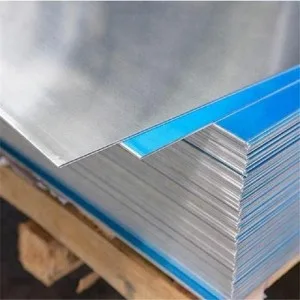
The weight of aluminum sheet metal is determined mainly by the sheet dimensions, thickness, alloy density, and quantity. For an accurate quotation, provide the required length, width, thickness, material grade, surface finish, and order volume to the China Aluminum Sheet Metal Weight Manufacturer, Factory & Suppliers you are evaluating.
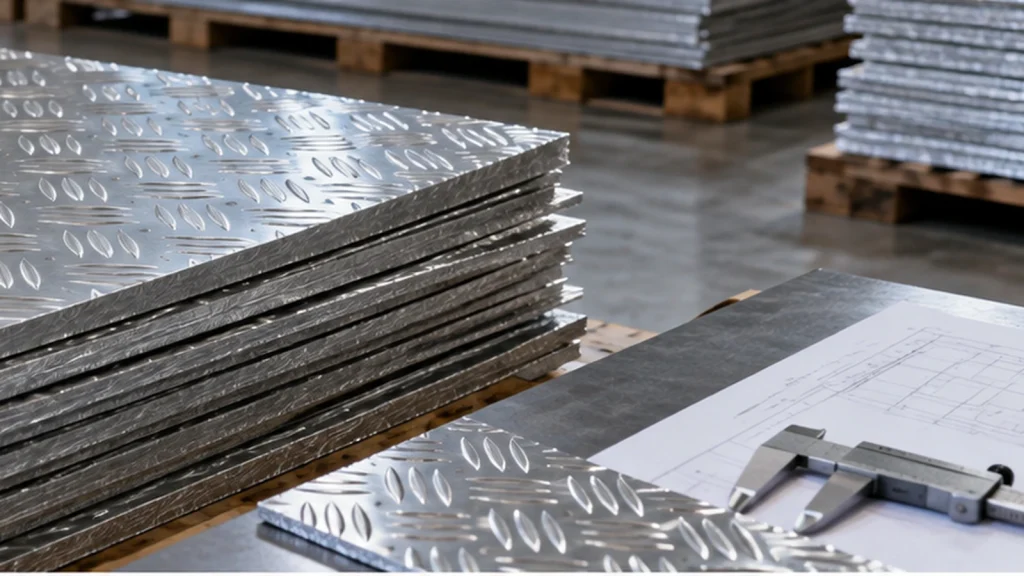
Ask the supplier to confirm calculated weight, allowable tolerances, packaging method, sample details, and lead-time expectations in writing. These details help you compare related products and maintain consistent specifications across samples, initial production, and repeat orders.
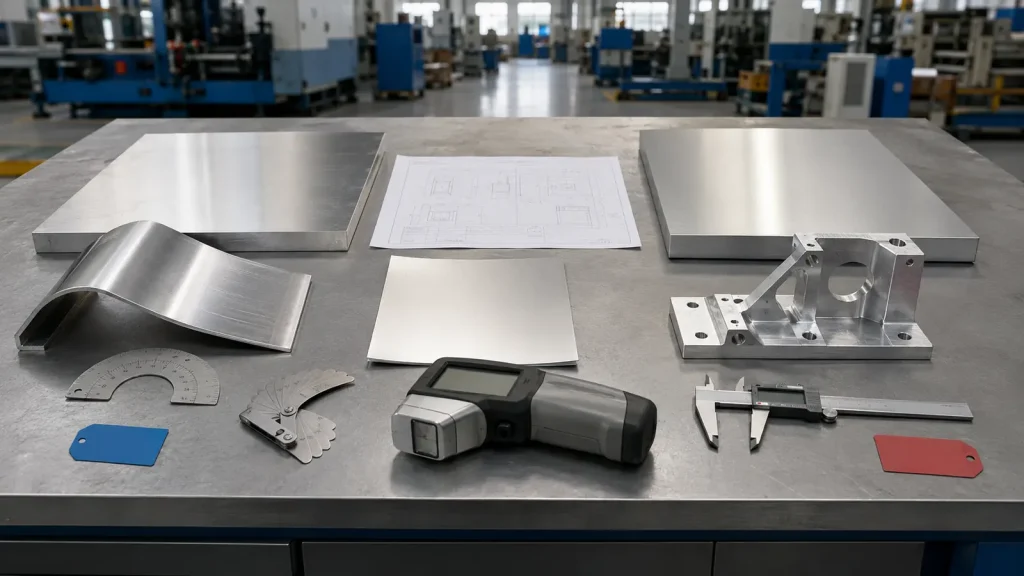
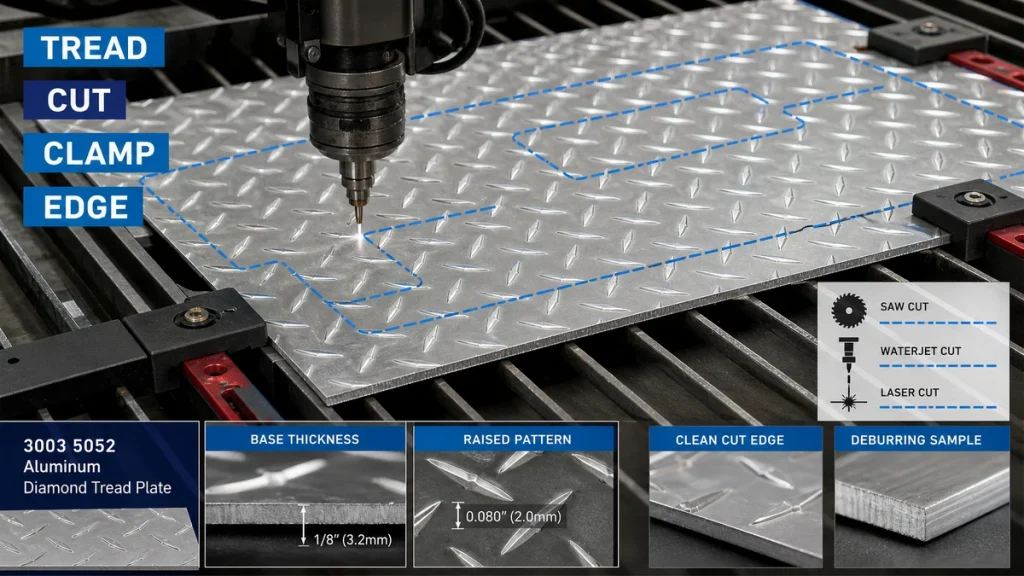
Begin with the project specification rather than the product name alone. Record the application, required sheet dimensions, thickness range, alloy or grade, finish, flatness expectations, and any details that cannot change after approval. If the weight affects transport or installation planning, identify whether you need theoretical weight, estimated packed weight, or both.
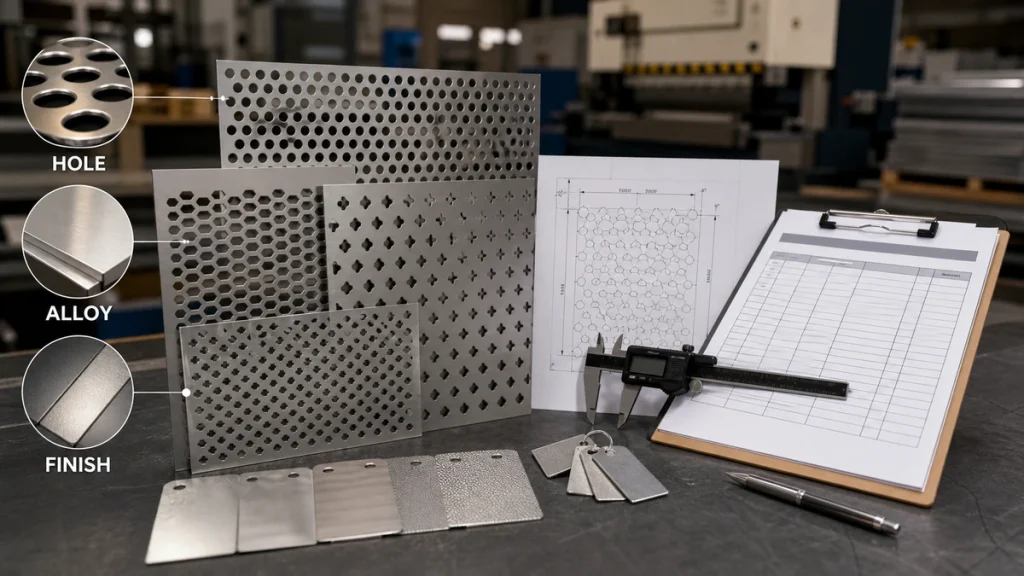
Prepare quotation information before contacting suppliers. Include target quantity, order frequency, destination, preferred packaging, required delivery window, and whether private labeling or other brand customization is needed. Drawings, reference samples, photographs, and technical data can help the supplier identify related products more accurately.
For sample confirmation, ask which details will be matched between the sample and production order. Confirm material identification, dimensions, surface appearance, marking, packing protection, and inspection records. If the project may be repeated, ask how the supplier will document the approved specification for future purchasing.
When comparing replies, look beyond the lowest unit price. Check whether each quotation clearly separates product weight from packaging weight, explains lead time, addresses your custom requirements, and answers technical questions. A complete response makes it easier to reduce project risk and maintain brand and specification consistency.