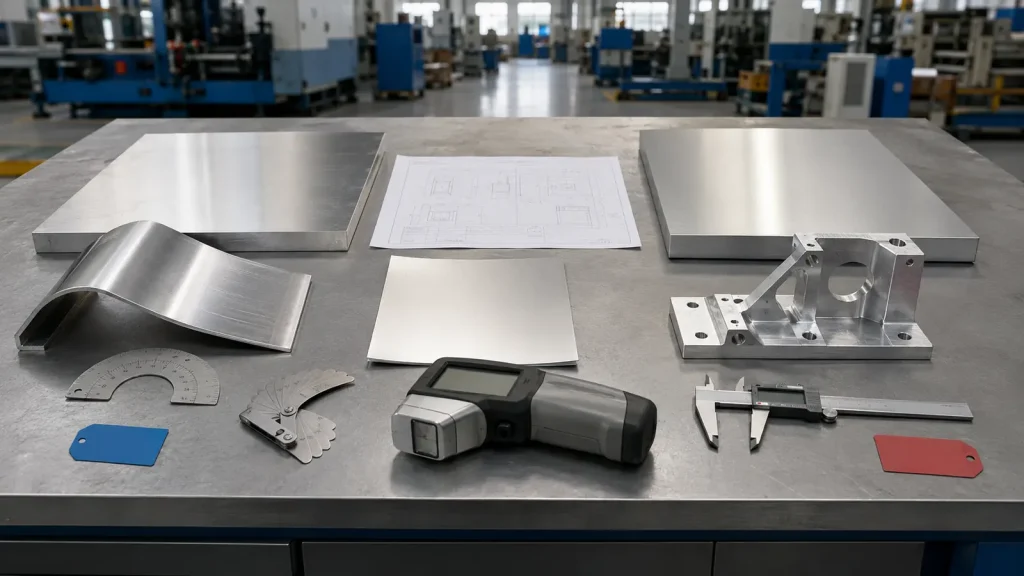
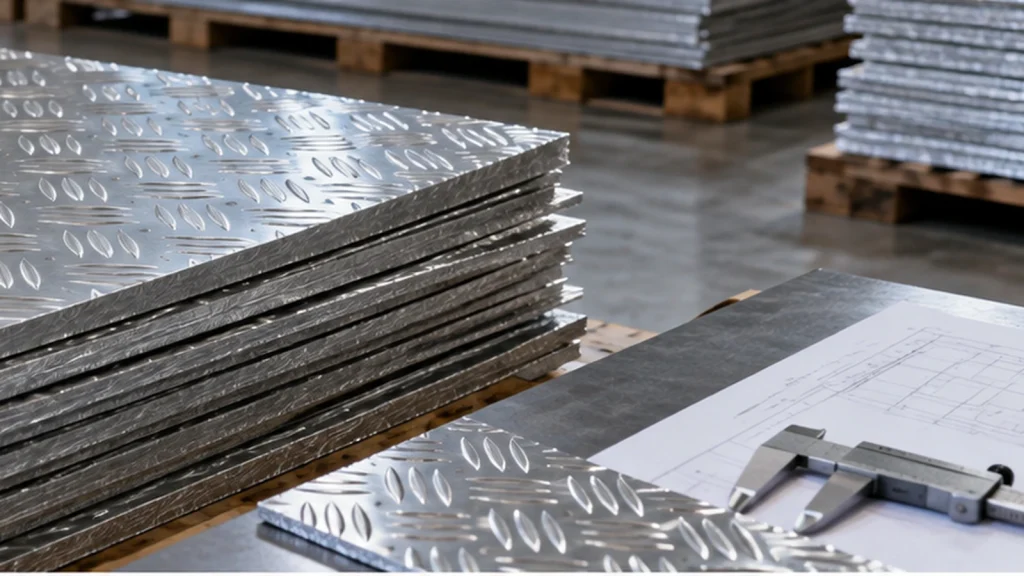
China Aluminum Sheet Metal Gauge To MM Manufacturer, Factory & Suppliers should be evaluated by how well they can support your required thickness in mm, sheet size, alloy preference, surface finish, quantity, packaging, and delivery planning.
For export order preparation, share the application, target gauge-to-mm reference, usage environment, and any processing needs such as cutting, bending, or forming. This helps the supplier confirm whether standard stock or customized production is more suitable.
Start your sourcing work by confirming how the aluminum sheet will be used. A purchasing team should list the required gauge, matching mm thickness, tolerance expectations, sheet dimensions, alloy grade if known, and whether the material is for fabrication, cladding, equipment parts, decoration, or another application.
When preparing an RFQ, include order quantity, destination port or delivery address, requested packaging, inspection needs, and expected shipment schedule. If you are comparing suppliers, ask the same questions to each one so quotation scope, lead-time, and customization details are easier to review.
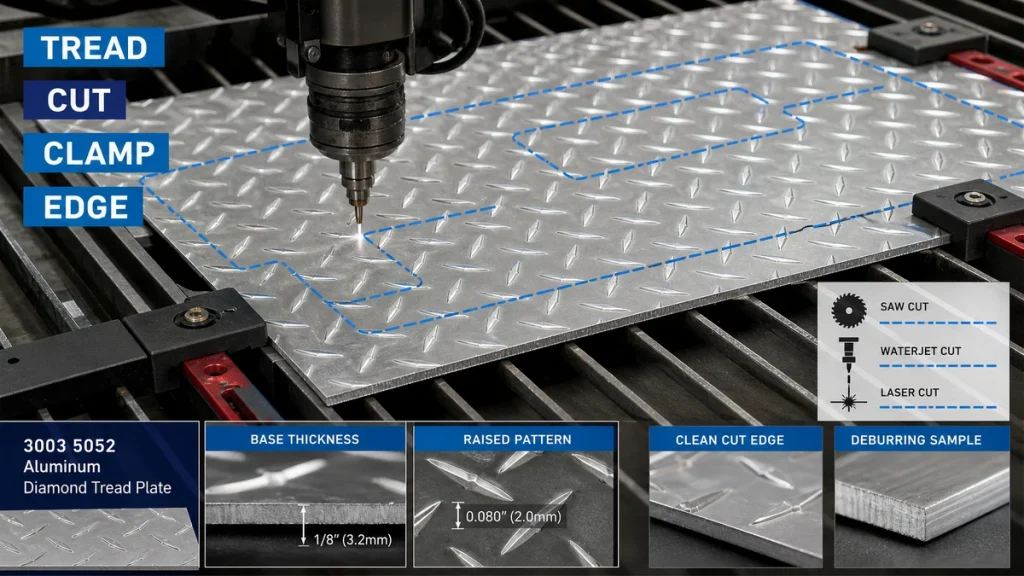
Application matching is important for aluminum sheet metal gauge to mm inquiries. If the sheet will be cut, punched, bent, welded, coated, or installed outdoors, tell the supplier early. These details can affect material recommendation, finish selection, and after-sales communication.
Before placing a bulk order, prepare questions about samples, production confirmation, label requirements, export documents, packaging protection, and how after-sales issues are handled. Clear communication at this stage helps reduce misunderstandings during order execution.