China Aluminum Sheet Metal Rockville MD Manufacturer, Factory & Suppliers should be evaluated by material grade, sheet size, thickness tolerance, surface finish, processing options, and export support. Buyers should also explain how the sheet metal will be installed or used.
For RFQ preparation, include target quantity, destination, drawings or reference photos, packing needs, and lead-time expectations. This helps the supplier confirm whether standard items or customized production is more suitable.
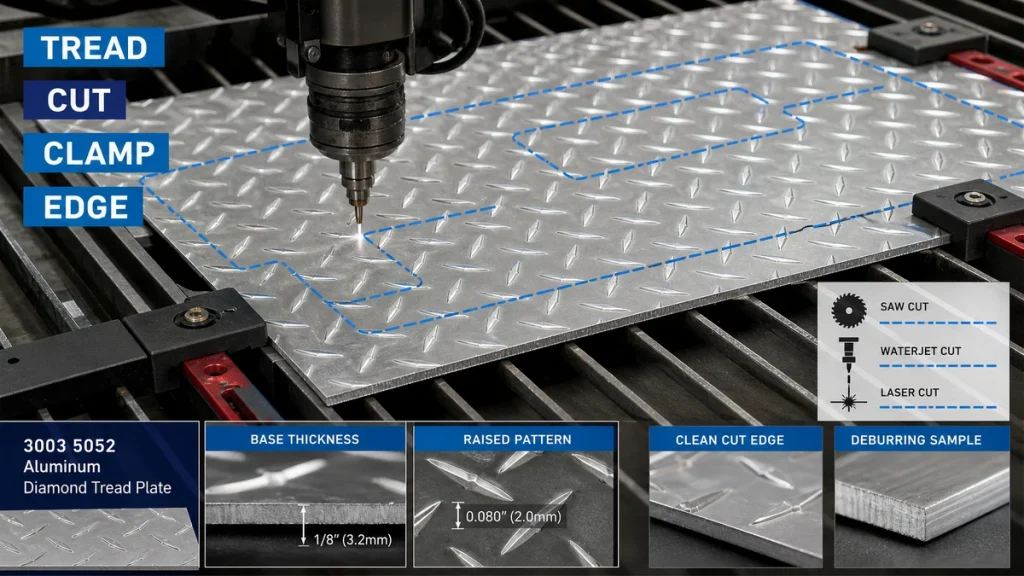
Start with the application. Tell the supplier whether the aluminum sheet metal is for fabrication, enclosure panels, decorative use, machinery parts, construction components, or another factory process. Application fit affects alloy selection, surface treatment, thickness, and cutting or bending requirements.
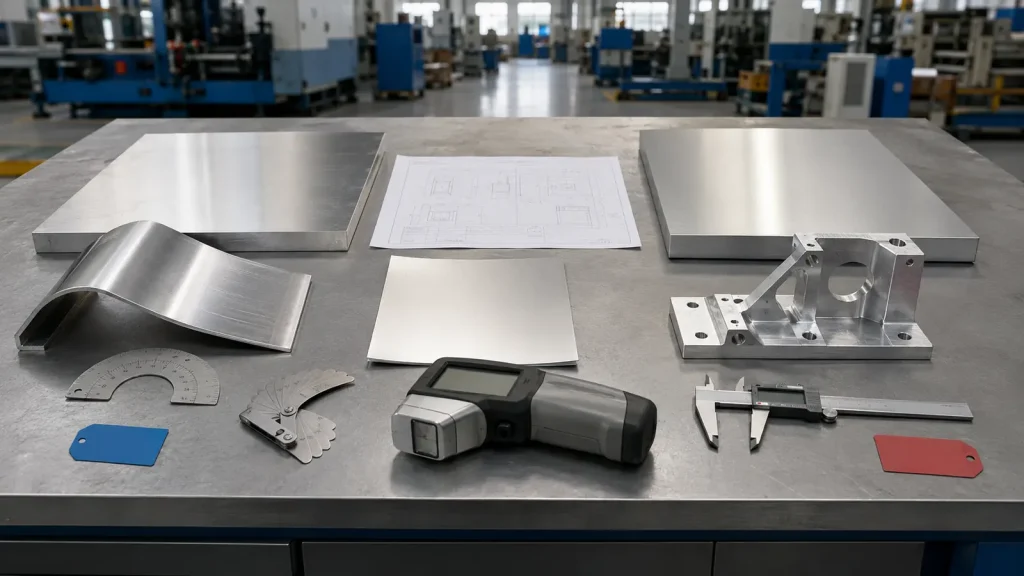
Prepare the technical details before asking for price. Useful RFQ information includes thickness, width, length, alloy preference, temper, finish, tolerance needs, edge condition, protective film requirements, and whether drawings are available. If you are not sure about one detail, state the working environment and expected use.
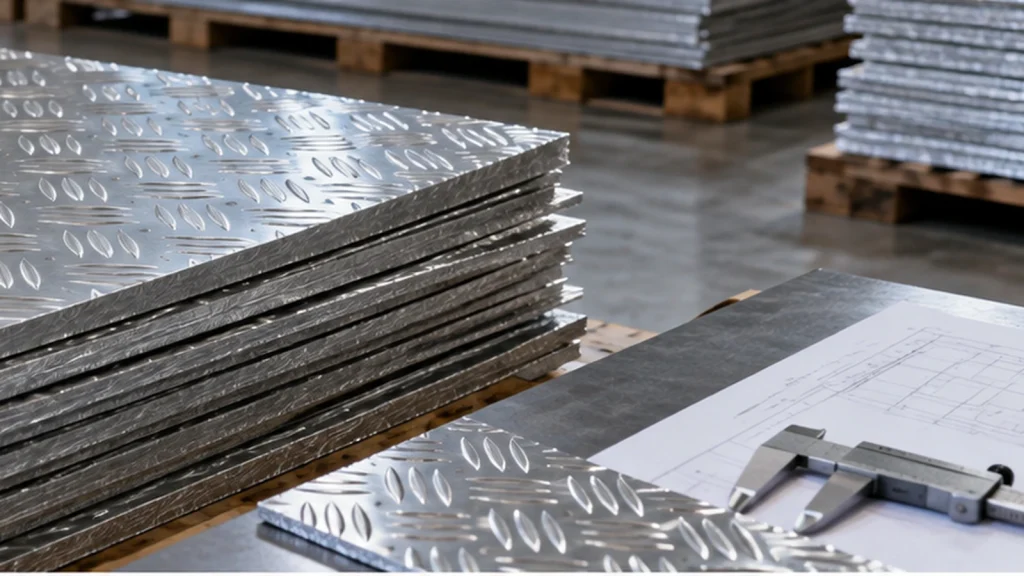
For export order preparation, confirm packaging, labeling, pallet needs, shipping marks, inspection points, and document requirements. Buyers should also ask about sample availability, estimated production schedule, and how lead time may change for custom sizes or bulk quantities.
When comparing supplier communication, look beyond the first quotation. A reliable discussion should address installation questions, usage limits, after-sales contact, replacement communication, and order consistency. Clear answers help the purchasing team shortlist products with fewer risks.