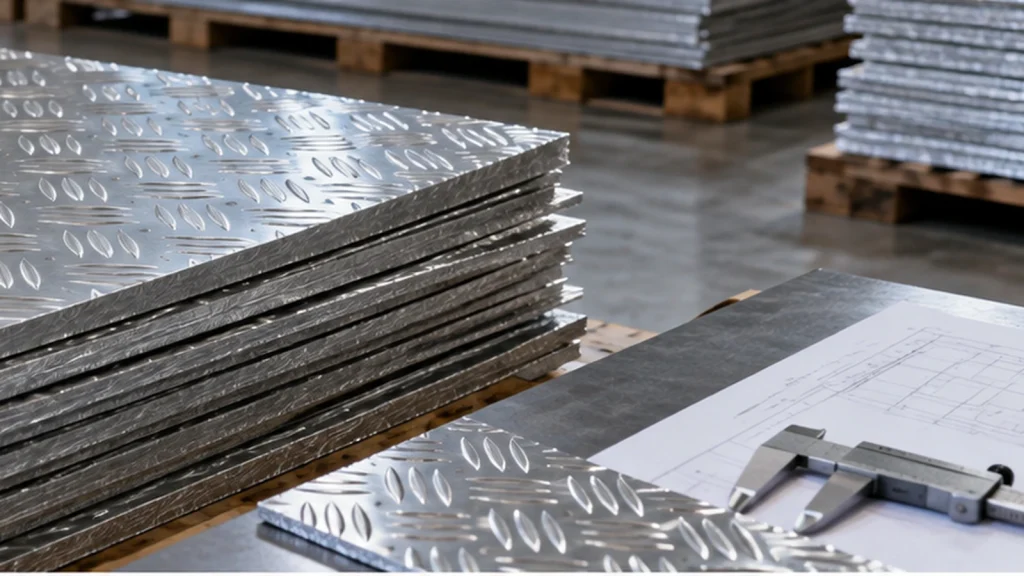
If you are searching for China Aluminum Sheet Metal Sales In Tulsa Manufacturer, Factory & Suppliers, start by matching the aluminum sheet metal to your application rather than only comparing general product descriptions. Important details include alloy grade, thickness, width, surface finish, tolerance needs, and whether cutting, coating, or other customization is required.
For procurement work, the most useful supplier reply should confirm feasible specifications, sample approval options, packaging method, estimated lead time, and quotation conditions. Providing drawings, quantity ranges, destination details, and project timing will help the supplier respond with more relevant information.
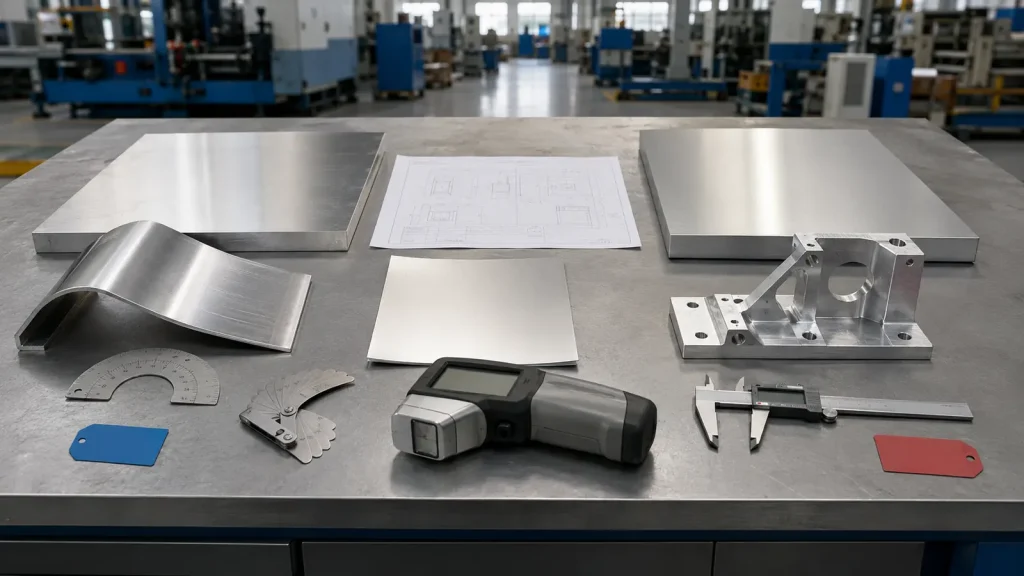
Begin with the application. For OEM project planning, explain whether the aluminum sheet metal will be used for panels, covers, housings, brackets, decorative parts, or other fabricated components. This helps the supplier recommend a suitable material, thickness, surface condition, and processing route.
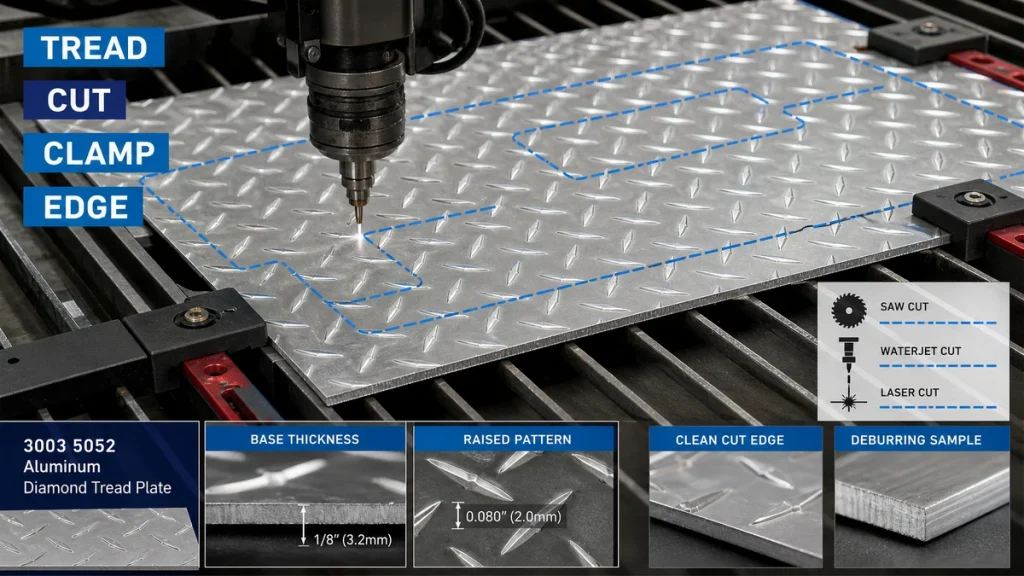
Next, define the customization scope. Confirm required dimensions, alloy preference, temper, finish, tolerance, protective film needs, and whether samples must match drawings or existing parts. If the product will be formed, punched, bent, or assembled later, include that information in the inquiry.
Before requesting a quotation, prepare the expected order quantity, trial order volume, destination port or delivery location, packaging requirements, inspection points, and target schedule. Clear RFQ information makes it easier to compare lead-time answers and avoid mismatched pricing.
When reviewing supplier options, compare how each response handles sample confirmation and technical questions. A practical response should help you understand what can be customized, what needs confirmation, and which related sheet products may be better suited to the project.