

Thick Aluminum Sheet
The next finer classification is the aluminium sheet standard sizes. Standard aluminium sheet sizes include aluminium sheet metal thickness, width and length. When ordering aluminum alloy sheet, custo…
Read MoreAluminum Sheet Properties Gauge Thick Sourcing in China: Manufacturer, suppliers and factory | SUZHOU TOP METAL MATERIALS CO.,LIMITED
Use this page to evaluate China Aluminum Sheet Properties, Gauge & Thickness Manufacturer, Factory & Suppliers from the perspective of custom specification confirmation. It brings together related products, practical selection checks, and buyer questions so your inquiry can be more specific from the beginning.
For a project engineer, the most useful starting point is brand customization and project consistency. Review the product matches, comparison notes, FAQs, and recent buyer-style feedback before sending final requirements.
The next finer classification is the aluminium sheet standard sizes. Standard aluminium sheet sizes include aluminium sheet metal thickness, width and length. When ordering aluminum alloy sheet, custo…
Read More
Deep Drawing Aluminum Sheet Circle 1050 1060 Aluminum Plate ASTM B209 Approved Deep drawing 1050 1060 ASTM B209 cookware use aluminium sheet circle Aluminum circle, as aluminum disc, is normally with …
Read More
China brushed anodized aluminum sheet copper color anodising black aluminium plate Anodized aluminum sheet is a sheet metal product consisting of aluminum sheeting exposed to an electrolytic passivati…
Read More
Mill Finished Aluminum Alloy Plate 1050 H14 Aluminium Sheet Alloy available: 1050 1060 1100 3003, 3105, 5052, 5005, 5754 5083 5182, 6061 6063 6082, 7075, 8011… Temper: HO, H111,H12, H14, H24,H 32, H11…
Read More
Mill Finish Aluminum Sheet Circle 1060 1070 1100 3003 Aluminum Plate For Cookware Aluminum circle 1050 1060 1070 3003 etc is mainly used in making cookware, like non-stick pan, pressure cooker, hardwa…
Read More
3003 Aluminum Sheet Features ♦ Alloy: 3003 ♦ Temper: H14, H16, H18, H22, H24, H26, O ♦ Thickness(mm):0.25-10 ♦ Width(mm):800-2200 ♦ This series aluminum sheet is anticorrosive and its production techn…
Read MoreBuyer risk reduction
The related product list helps you compare China Aluminum Sheet Properties, Gauge & Thickness Manufacturer, Factory & Suppliers by actual product direction rather than keyword wording alone. Check whether each product supports custom specification confirmation, then use the table below to prepare a clearer RFQ.
| Criterion | What To Check | Why It Matters | Buyer Tip |
|---|---|---|---|
| Alloy and temper | Confirm grade, temper, and applicable standard. | Prevents application and consistency errors. | Match the drawing and sample record. |
| Gauge and thickness | Specify nominal thickness and tolerance. | Supports fit, weight, and repeat orders. | Request measured sample data. |
| Sheet dimensions | Confirm length, width, and flatness needs. | Reduces cutting and installation risk. | Use project drawings for review. |
| Surface and branding | Define finish, protection, and marking options. | Aligns customization with project identity. | Approve a labeled sample first. |
| Quality and support | Request inspection records and response process. | Improves traceability and issue handling. | Agree checks before production. |
China Aluminum Sheet Properties, Gauge & Thickness Manufacturer, Factory & Suppliers should be evaluated against your required alloy or material description, gauge, thickness tolerance, sheet dimensions, surface finish, packaging, and customization needs. Confirm which details are available for sampling and quotation.
Send the supplier your application, drawings or reference samples, order quantity, destination, and inspection requirements. Then compare how clearly each supplier confirms technical details, quality checks, sample handling, and after-sales communication.
Begin with a specification checklist rather than a general product request. Record the intended application, sheet dimensions, gauge or thickness range, surface requirements, edge details, quantity, and any fixed project standards. Mark which items are mandatory and which may be adjusted.
For custom specification confirmation, provide drawings, photos, reference samples, brand guidelines, or previous order information where available. Ask the supplier to identify any unclear points before preparing a quotation, especially when the same sheet must be repeated across multiple project phases.
Review sample arrangements and technical details together. Confirm what the sample represents, which properties or measurements will be checked, how approval comments will be recorded, and whether the final order will follow the approved reference. Keep the confirmed version with your purchasing documents.
Before selecting a supplier, compare quality-check information, packaging details, lead-time communication, and after-sales support. A useful reply should address your application fit and custom options directly, helping your team reduce specification gaps and maintain project consistency.
| Criteria | Importance | Description | Example Options |
|---|---|---|---|
| Alloy and temper | Critical | Defines strength, formability, and application fit. | Buyer-approved alloy and temper |
| Gauge and thickness | Critical | Aligns structural needs with drawing requirements. | 2.0 mm nominal; tolerance agreed |
| Dimensions and tolerances | High | Controls fabrication consistency and assembly fit. | Specified width, length, and flatness |
| Surface finish | Project-dependent | Affects appearance, processing, and surface protection. | Mill finish or specified finish |
| Inspection and traceability | High | Supports batch checks and issue investigation. | Inspection report linked to shipment reference |
Recommended Products
Review the top products as a starting shortlist for custom project planning. Compare their available specifications, surface or branding options, sample suitability, and consistency requirements rather than selecting by title alone. Share the shortlisted items with your project and quality teams before requesting a final quotation.







Direct Answer: Buyers should ask an anodised aluminum sheet supplier China sourcing teams are reviewing to define the base alloy, temper, thickness, sheet size, anodizing sequence, finish, color-contr…
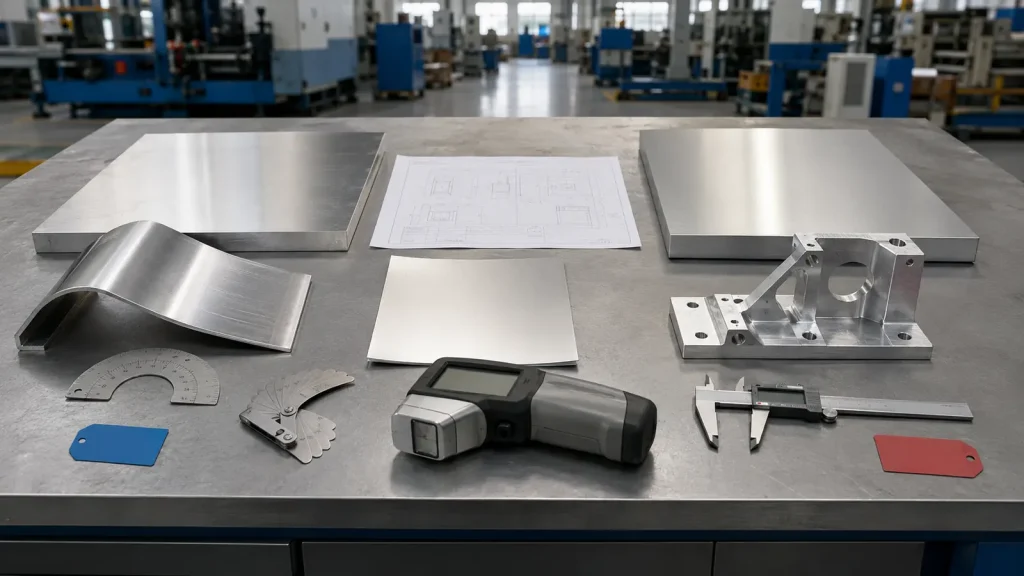
6061-T4 and 6061-T6 are not different aluminum alloys; they are different temper conditions of alloy 6061. Buyers should not treat T6 as a universally “better” version of T4. The correct t…
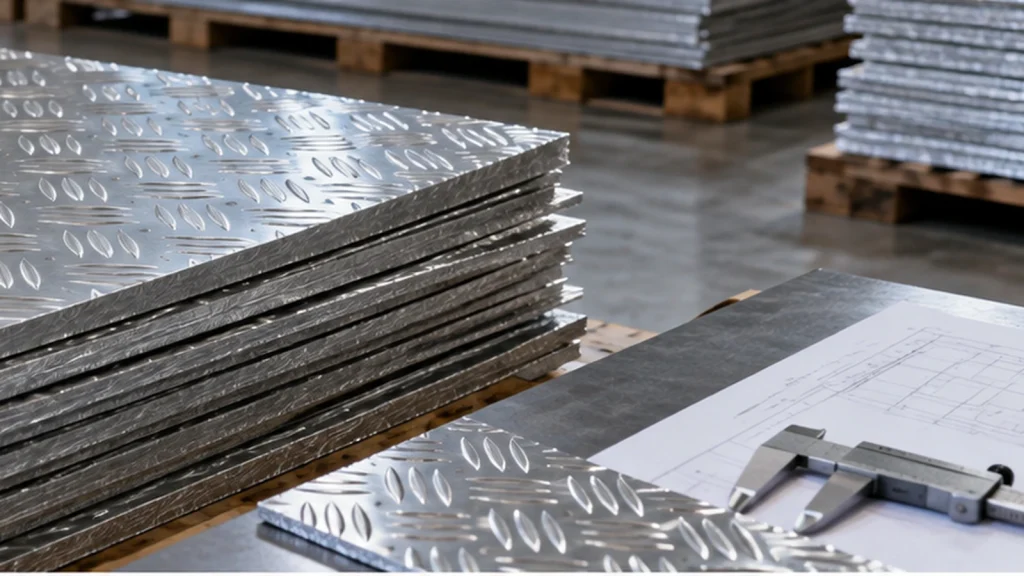
A 4×8 sheet of 1/4 inch aluminum price quotation becomes useful only after the buyer confirms that every supplier is pricing the same product and delivery scope. For this procurement path, the ta…
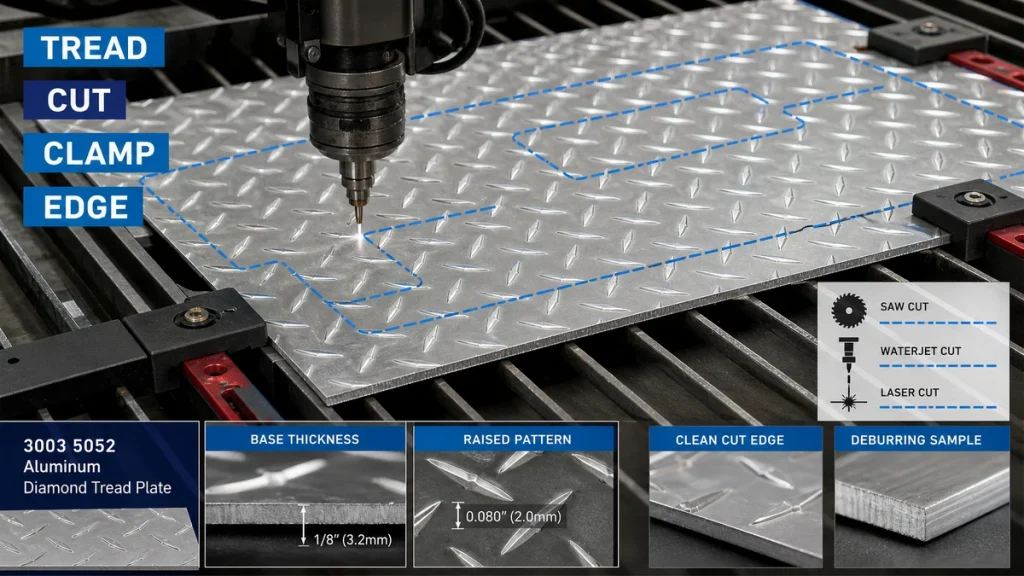
How Should Fabricators Cut Diamond Tread Aluminum Sheet Without Distorting the Pattern or Edges? For fabricators of flooring, steps, toolboxes, and industrial panels, when assessing how to cut diamond…

Buyers should send the required alloy, temper, thickness, sheet size, hole shape, hole size, pitch, pattern orientation, open area, blank margins, tolerances, finish, flatness, burr direction, drawing…

Aluminum sheet flatness should be specified before purchase, especially when the material will be laser cut, punched, bent, machined, laminated, or used as a visible panel. This matters to sheet-metal…
Recent buyer-style notes can help you frame practical comparison questions around custom specification confirmation.
I used this page to compare aluminum sheet properties by gauge and thickness, which helped me frame clearer questions for suppliers about my enclosure project.
Before contacting a China aluminum sheet manufacturer, I checked how gauge and thickness affect my selection notes, making the supplier conversation more focused and practical.
As a buyer comparing suppliers, I found the aluminum sheet properties terminology useful for separating gauge requirements from actual thickness considerations in our fabrication brief.
I referenced the gauge and thickness details while preparing an RFQ, and the aluminum sheet properties checklist helped me avoid leaving key specification questions vague.
Request a representative aluminum sheet sample with alloy, temper, nominal gauge, measured thickness, surface finish, dimensions, and intended forming notes. Compare the sample against approved drawings before releasing production specifications.
Confirm alloy and temper, gauge or millimeter thickness, width and length tolerances, flatness, surface condition, mechanical properties, and applicable test methods. Ask the supplier to identify nominal versus measured values.
Quality checks should link each batch to agreed dimensions, visual finish, alloy, temper, and test records. Define sampling frequency, measurement tools, acceptance limits, and nonconformance handling before production approval.
Agree on a technical contact, document revision process, response workflow for dimensional discrepancies, and evidence required for investigation. Keep approved samples, inspection records, and shipment references available for traceable follow-up.
Application fit depends on required strength, bendability, corrosion environment, surface appearance, thermal conditions, and fabrication method. Match these factors with alloy, temper, gauge, and finish choices rather than selecting thickness alone.
For a custom project, specify alloy, temper, gauge range, cut sizes, tolerance targets, surface finish, protective packaging needs, marking, and inspection documents. Ask China suppliers to confirm which options require engineering review.
Tell us your aluminum sheet properties gauge thick requirements, quantity, destination, and expected application. Include details related to brand customization and project consistency for a more useful reply.