Is the sheet for a body panel or a load-bearing part? That distinction changes the material choice. A formable alloy and temper may suit a shaped, non-structural panel, while a structural application needs an approved design and material specification. Do not substitute one for the other because the sheets look alike.
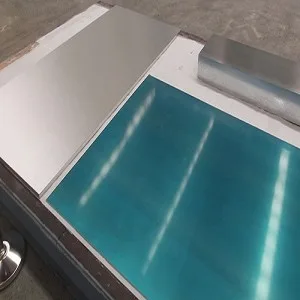
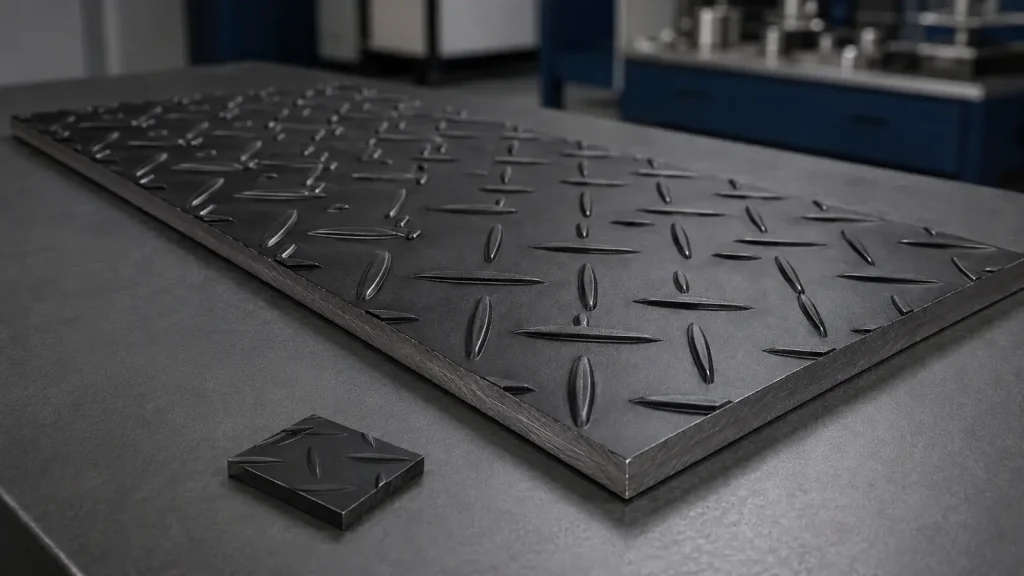
Finish matters too: bare sheet leaves finishing options open, while a prefinished surface may save work but can be marked during forming. For a perforated panel, check the open area and hole pattern against the intended airflow and strength requirements.
Start with the location and shape of the part. Tight bends or compound curves favor a sheet that forms readily; flatter panels may put more emphasis on stiffness and surface durability. Ask for the alloy and temper, not just the sheet thickness.
Check how the panel will be joined and used. Welding can change the properties of some heat-treated alloys near the joint, and a panel near heat or debris has different demands from an exterior skin. Confirm material choices against the car's design and applicable racing rules before ordering.
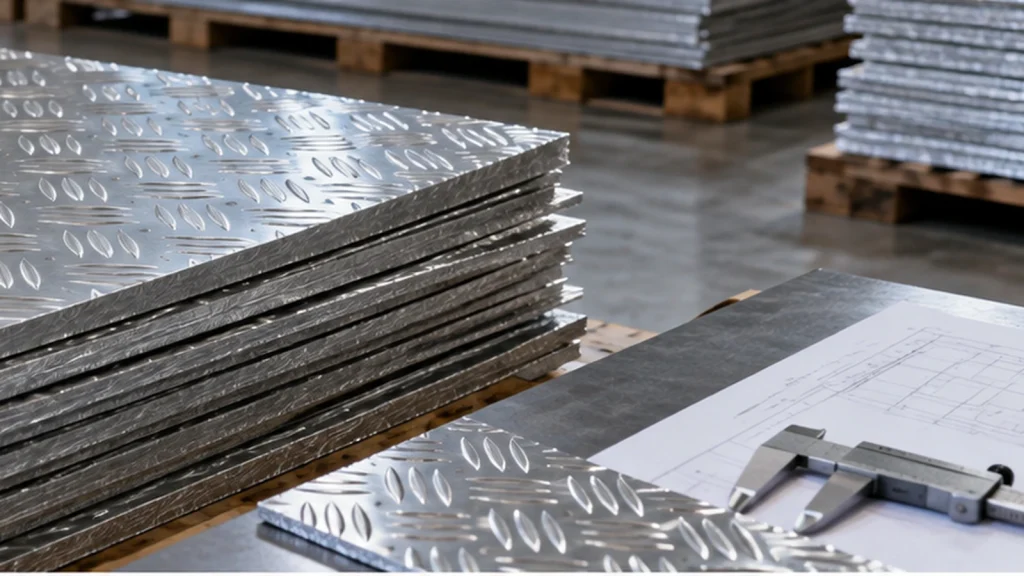
Specify the required sheet dimensions, thickness, surface finish and any tolerance that affects fit. A cut-to-size sheet can reduce waste, but confirm that its edges and protective packaging suit the planned fabrication process.
If ordering from China, ask whether SUZHOU TOP METAL MATERIALS CO.,LIMITED is the manufacturer of the proposed sheet or works with other suppliers, and which factory will provide the specified alloy and temper. Send a part drawing or a description of the bends and service location so the material proposal can be checked against the application.