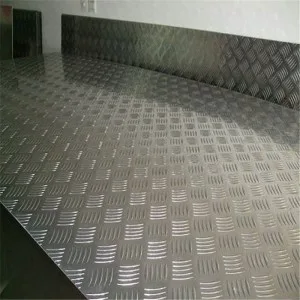
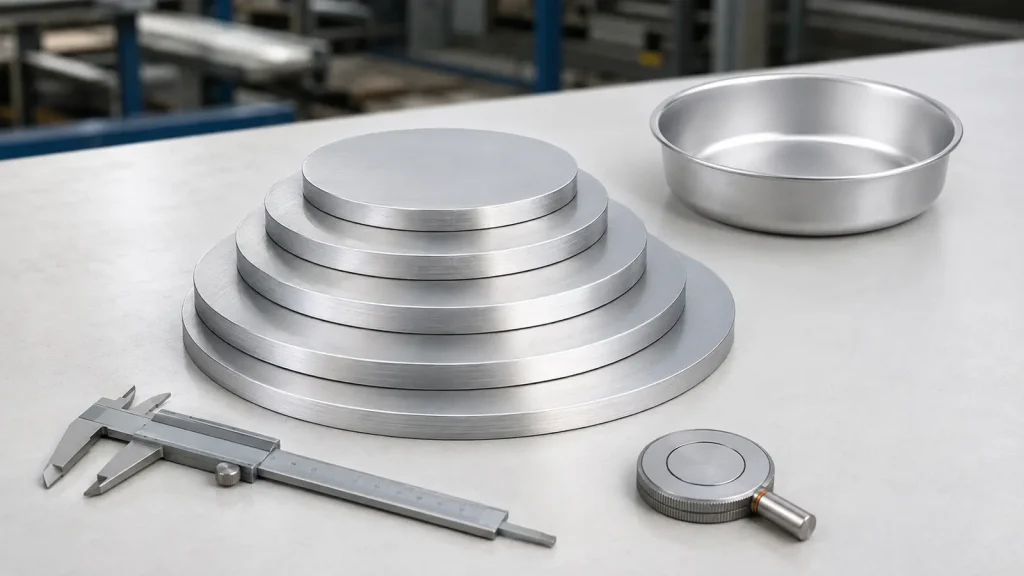
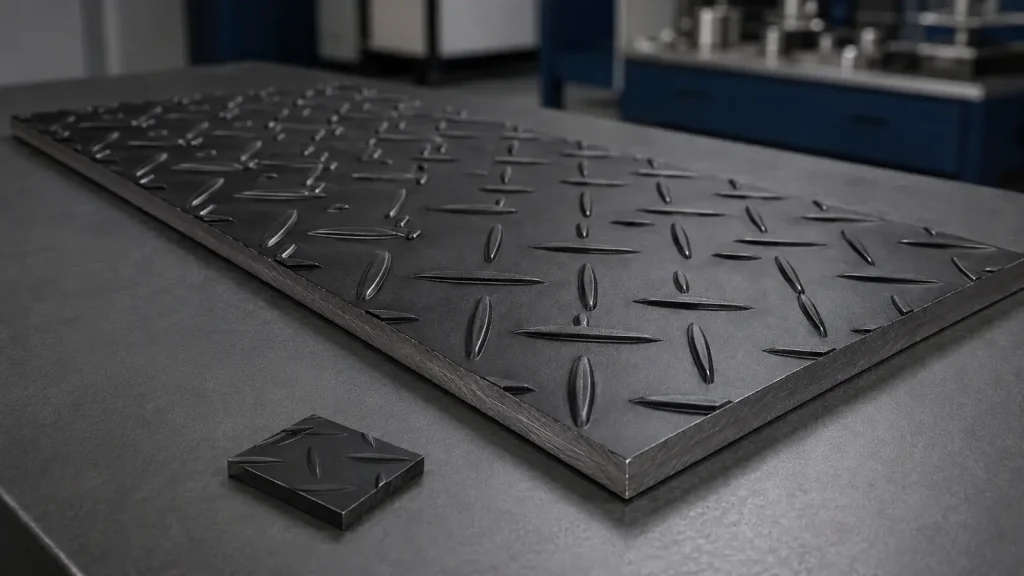
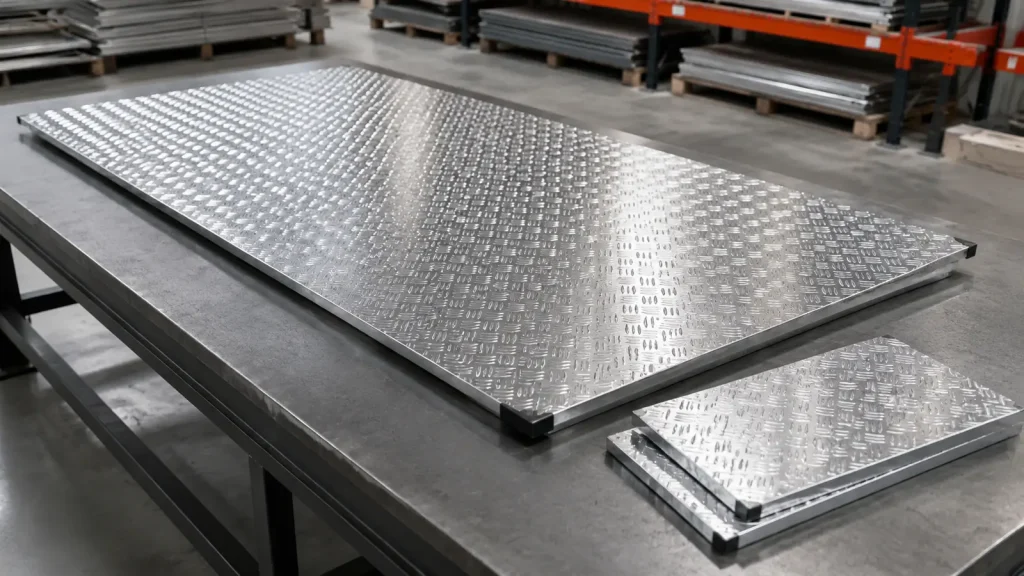
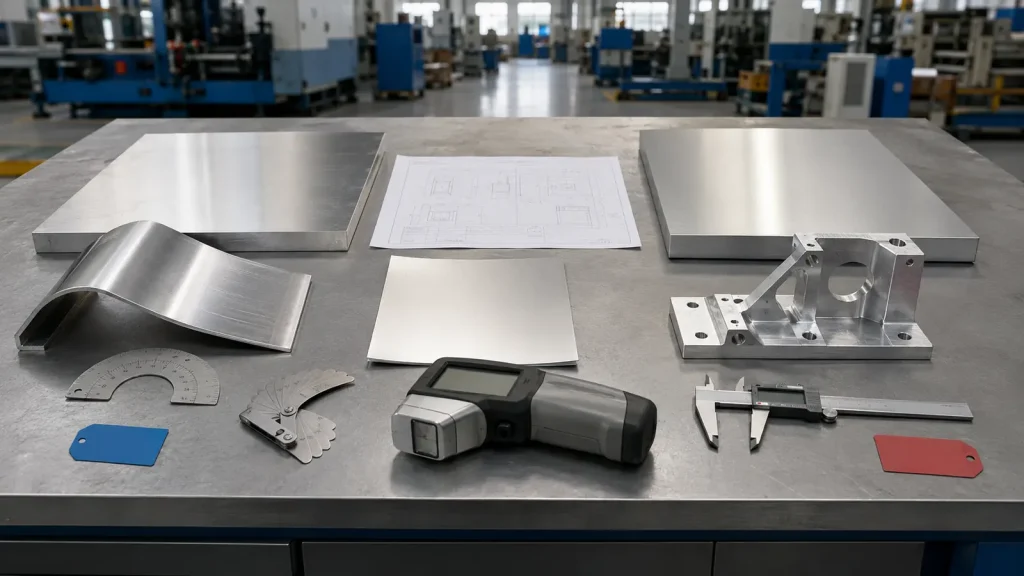
When comparing China Aluminum Sheets Hawaii Manufacturer, Factory & Suppliers, provide the required alloy, temper, thickness, width, length, surface finish, quantity, packaging needs, and delivery destination. These details help suppliers determine whether their available sheet configurations fit your application.
Ask each supplier how specifications are checked, what documentation is available, how samples or pre-shipment inspections are handled, and how after-sales questions are managed. Clear technical and order information supports a more reliable bulk purchasing evaluation.
Begin with the application and define the material requirements that cannot change. Confirm the aluminum grade or alloy, temper, thickness tolerance, sheet dimensions, surface condition, and any forming, cutting, or fabrication requirements. If the sheet will be used in a specific environment, explain the relevant exposure and performance considerations.
Prepare a practical RFQ with estimated order quantity, repeat-order expectations, destination in Hawaii, preferred packaging, target timing, and required shipping documents. Include drawings, photographs, sample references, or internal specification sheets when available so suppliers can respond to the same information.
During quality review, ask how the supplier verifies dimensions, surface finish, alloy or temper information, labeling, and packing condition. Request applicable inspection records, certificates, sample procedures, or product photographs when they are available for the proposed order.
Compare responses by specification matching rather than price alone. Review whether the supplier addresses configuration limits, custom options, lead-time assumptions, communication procedures, replacement or claims handling, and support after delivery. A structured comparison makes it easier to select a workable source for bulk purchasing.