

Metal Grating bar aluminum Grating for walkway
Manufactured from lightweight, corrosion resistant ASTM B221, 6063 or 6061, Aluminum grating bar is ideal for both industrial and architectural applications.
Read MoreBest Way To Cut Aluminum Sheets For Models Selection Guide | SUZHOU TOP METAL MATERIALS CO.,LIMITED
For model panels, skins and small structural parts, the best way to cut aluminum sheet depends on its thickness, the shape of the part and how visible the edge will be. Hand shears can suit simple cuts in thin sheet, while intricate or repeated parts may be better ordered pre-cut.
Manufactured from lightweight, corrosion resistant ASTM B221, 6063 or 6061, Aluminum grating bar is ideal for both industrial and architectural applications.
Read More
A stucco embossed finish is designed to have superior durability, reduce glare and reflectivity, and also to give aluminum a decorative finish. The stucco aluminum sheet is also a finish that can stan…
Read More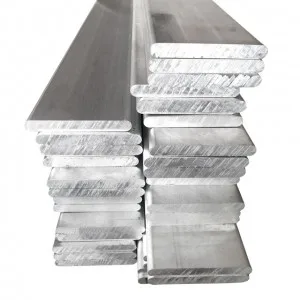
China Flat bus bar 1050 1350 1060 1070 1370 Aluminum Busbar for Transformers In Electric power distribution, a busbar also called bus bar, buss bar or busbar, which is a metallic strip or bar, typical…
Read More
Mill Finish Aluminum Sheet Circle 1060 1070 1100 3003 Aluminum Plate For Cookware Aluminum circle 1050 1060 1070 3003 etc is mainly used in making cookware, like non-stick pan, pressure cooker, hardwa…
Read More
Plain 3003 Aluminium Alloy Plate Aluminum Roofing Coil For Trailer 3000 series aluminum Plate are widely used in construction,decoration,pipe, packing,automobile,air conditioner ,pot,containers,refrig…
Read More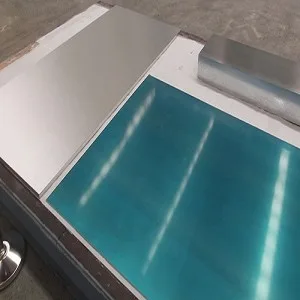
High strength 5005 Aluminium Plate Alloy 2mm 3mm 4mm for Architectural applications 5005 aluminium alloy plate is an aluminium alloy with good resistance to atmospheric corrosion. It is used in decora…
Read MoreSheet selection
Compare sheet options by thickness, temper, surface finish and the amount of bending or edge finishing the model requires. A sheet that cuts easily is not necessarily stiff enough for the finished part.
| Criterion | What To Check | Why It Matters | Buyer Tip |
|---|---|---|---|
| Sheet thickness and temper | Confirm both on the material specification before choosing a cutting method. | Thin, soft sheet may curl under shears; thicker or harder sheet may need a saw or a cutting service. | What thickness and temper will the model parts use? |
| Part shape and cutting method | Compare straight cuts, curves and internal openings on the drawing. | Shears suit simple thin-sheet cuts, while intricate outlines may be better suited to laser or waterjet cutting. | Are there enclosed openings or curves that rule out your planned method? |
| Small features and fit | Mark narrow slots, tabs and mating edges with their required dimensions. | Cut width and dimensional variation can prevent small model parts from fitting together. | Which dimensions control assembly, and can the chosen process hold them? |
| Visible edges | Specify which edges will remain exposed and the finish they need. | Burrs, roughness or heat marks can show on a model even when the part fits. | Will the cut edges need deburring or another finishing step? |
| Visible sheet faces | Identify the display face and any protective film or surface finish. | Clamping and handling marks may matter more on a display model than on a concealed part. | Which face must stay free of visible marks during cutting? |
Cutting a rough blank is different from producing a finished model part. Shears may leave a slight curl or distorted edge; that may not matter if the edge will be hidden, but it can affect a visible seam or a part that must fit closely. Scoring and snapping is an option only for suitably thin sheet, not a reliable choice across all thicknesses and tempers.
For precise outlines or multiple matching pieces, ask about cut-to-size or profile-cut parts rather than choosing a method based on the sheet alone. The required edge quality matters as much as the outline.
Start with the part’s job. A decorative skin calls for a clean visible face and manageable forming, while a bracket or frame piece may need greater stiffness. Specify the alloy and temper if your design requires them; otherwise, describe the bend, finish and stiffness you need so the sheet choice can be discussed.
Match the cutting approach to the geometry. Straight cuts and generous shapes are less demanding than narrow slots, small holes or interlocking tabs. Hand-cutting may be practical for a prototype, but repeated parts benefit from agreeing on a drawing and acceptable edge condition before production.
Account for what cutting can change. Shears can deform thin edges, and a profile-cut edge may still need finishing for a close fit or a visible joint. If the sheet has a protective film or decorative finish, clarify which face must remain presentable. Do not assume a nominal outline alone defines the finished part.
Send a drawing or dimensioned sketch with sheet thickness, quantity and the intended use. Ask SUZHOU TOP METAL MATERIALS CO.,LIMITED whether it can supply the specified sheet and, if needed, cut it to the required shape and edge condition.
| Criteria | Importance | Description | Example Options |
|---|---|---|---|
| Part outline | Determines whether a straight-cut method is sufficient. | Straight blanks are less demanding than profiles with tight curves, narrow slots or small tabs. | A rectangular skin panel may suit straight cutting; a tabbed enclosure panel may call for profile cutting. |
| Sheet thickness and temper | Affects both cutting behavior and the stiffness of the finished part. | A sheet that is easy to cut may be too flexible for a support piece; a stiffer choice may be harder to cut cleanly by hand. | Compare a decorative cover with a frame component before selecting the same sheet for both. |
| Edge condition | Matters most at visible seams and mating features. | A cut can meet the outline dimensions yet still have burrs, distortion or an appearance that calls for finishing. | A concealed edge may need only safe handling, while an exposed joint may need a specified finished edge. |
| Quantity and repeatability | Changes the trade-off between cutting a prototype by hand and ordering matching parts. | Repeated pieces need consistent dimensions and a shared drawing, particularly when tabs or holes must align. | One trial panel can be checked for fit before requesting a batch of identical panels. |
Related Options
For a visible model enclosure, prioritize a surface that will suit the finish and edges that meet neatly. For concealed support pieces, fit and stiffness may matter more than the appearance of the cut edge.



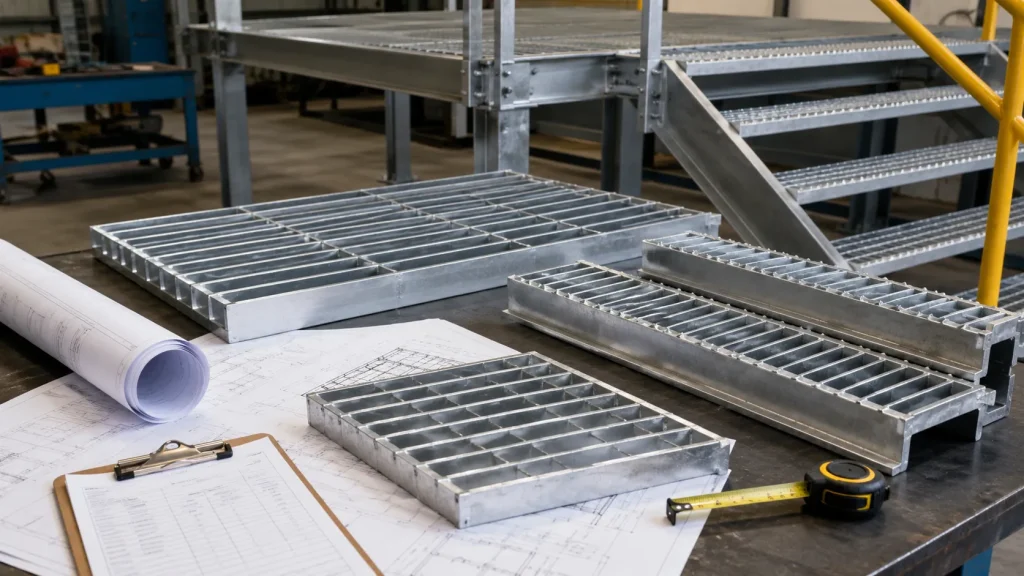
Direct Answer: Buyers should specify aluminum bar grating from the load path outward: first define the walkway or stair application, clear span, support layout, load and deflection basis; then confirm…
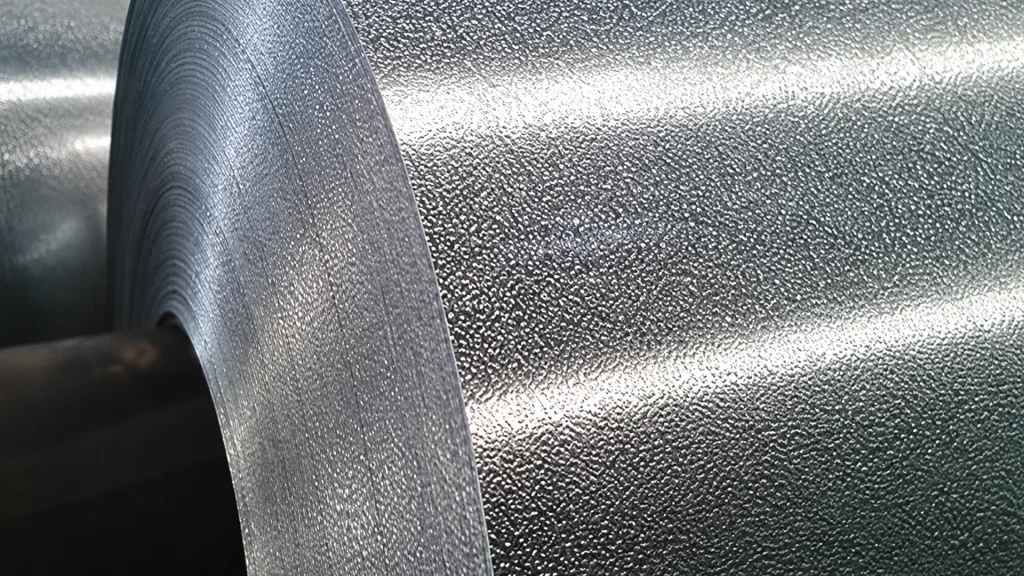
Stucco embossed aluminum sheet changes the surface appearance of insulation jacketing. Its irregular texture makes minor handling marks less conspicuous and reduces glare compared with a smooth finish…

Direct Answer: Buyers should ask an anodised aluminum sheet supplier China sourcing teams are reviewing to define the base alloy, temper, thickness, sheet size, anodizing sequence, finish, color-contr…
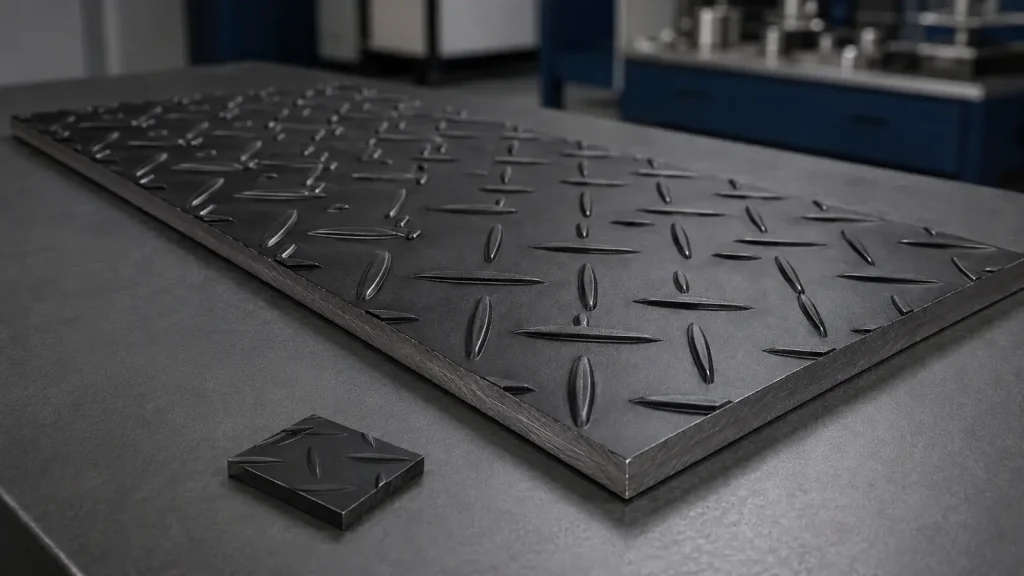
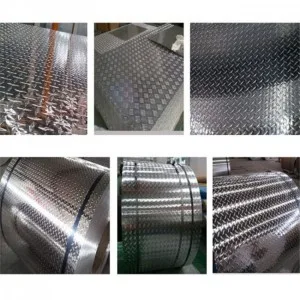
Buyers should evaluate black anodized aluminum tread plate as a complete material-and-finish specification, not as a black decorative surface alone. A workable purchase specification identifies the al…
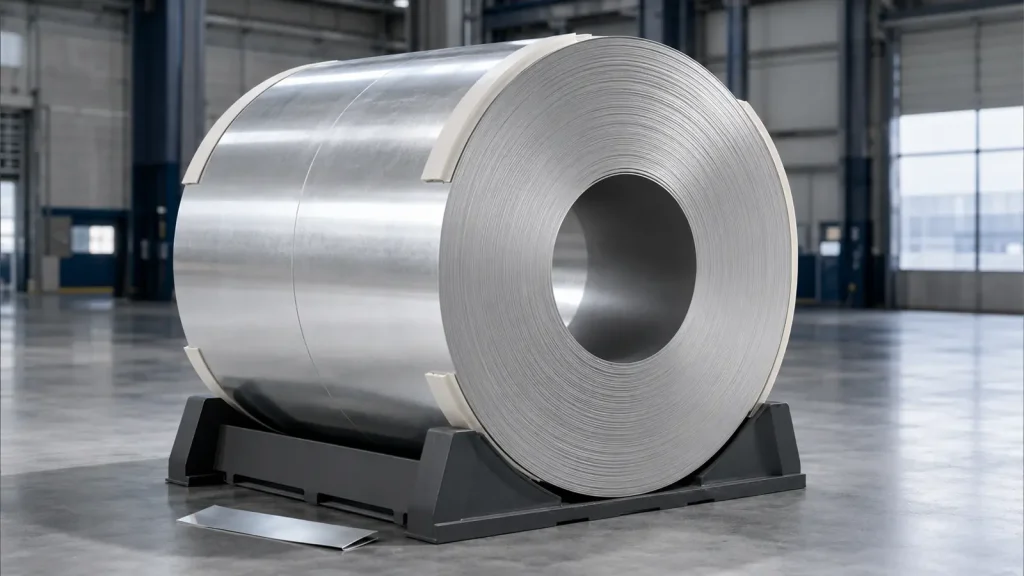
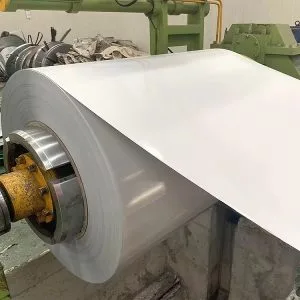
Before production, buyers should freeze the 5083 aluminum coil’s governing material standard, temper, thickness and tolerance, width and edge condition, coil inside diameter, maximum outside dia…
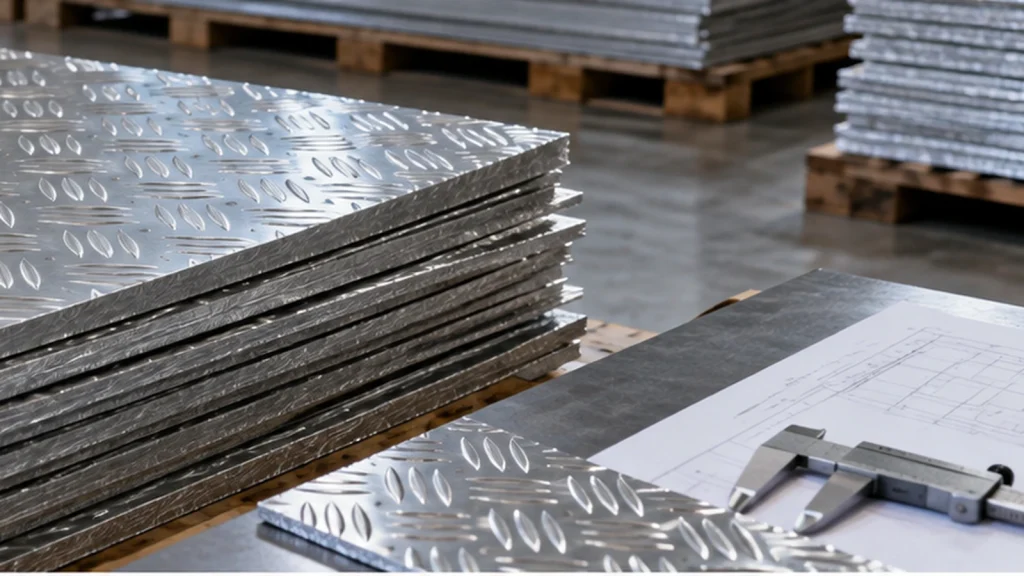
A 4×8 sheet of 1/4 inch aluminum price quotation becomes useful only after the buyer confirms that every supplier is pricing the same product and delivery scope. For this procurement path, the ta…
For a simple outline in thin sheet, hand shears may be practical if a slightly distorted edge is acceptable. If the part has small tabs, tight curves or a visible joint, a dimensioned drawing and a question about profile cutting will give you a clearer path to the finished shape.
No. Shearing is often a simpler option for straight edges, while laser cutting can suit detailed outlines and repeated shapes. Ask how the chosen process will affect the edge and surface finish your model requires; cutting a precise outline does not necessarily produce a finished edge.
No. The result depends on sheet thickness and temper, and a snapped edge may not be suitable for a close-fitting or visible part. Do not choose sheet material on the assumption that scoring will work.
Identify which faces and cut edges will remain visible after assembly. Ask whether the proposed sheet finish and cut-edge condition suit your planned finishing process, especially where parts meet at a visible seam.
Send a dimensioned drawing showing thickness, quantity, holes, slots and any critical mating edges. State the intended finish and ask SUZHOU TOP METAL MATERIALS CO.,LIMITED whether it can supply the sheet and the required cutting and edge finishing.
Share the sheet thickness, a drawing or dimensions, and whether the cut edges will be visible or need to fit adjoining parts.