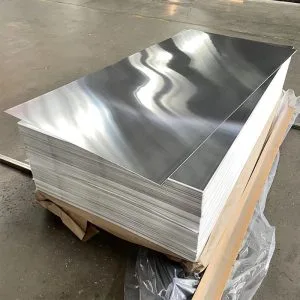
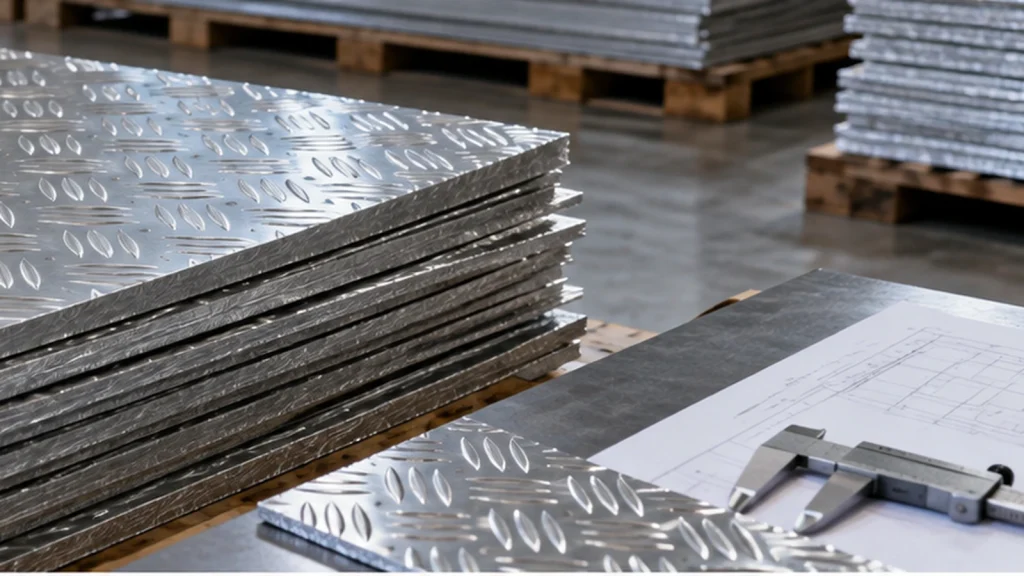
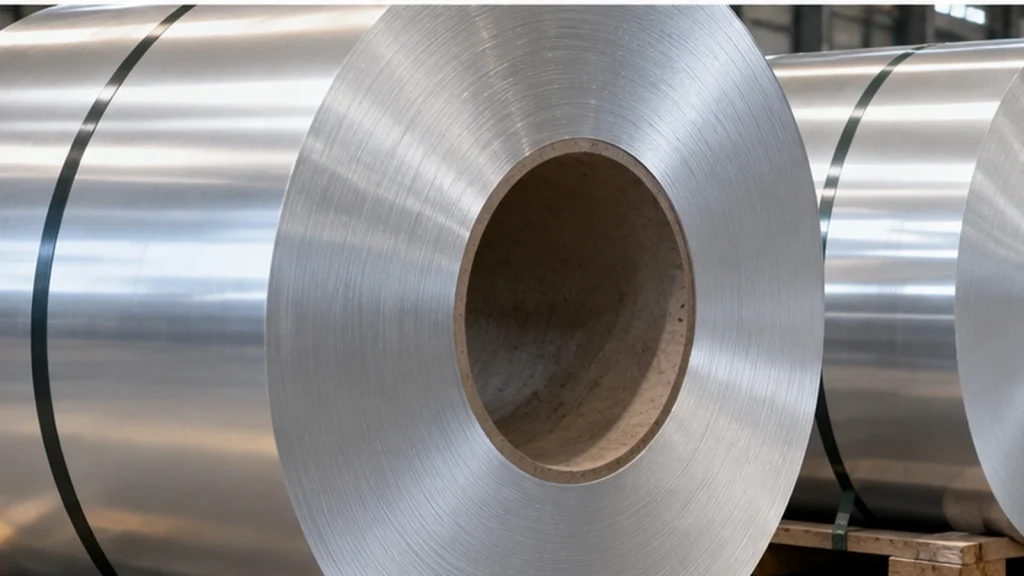
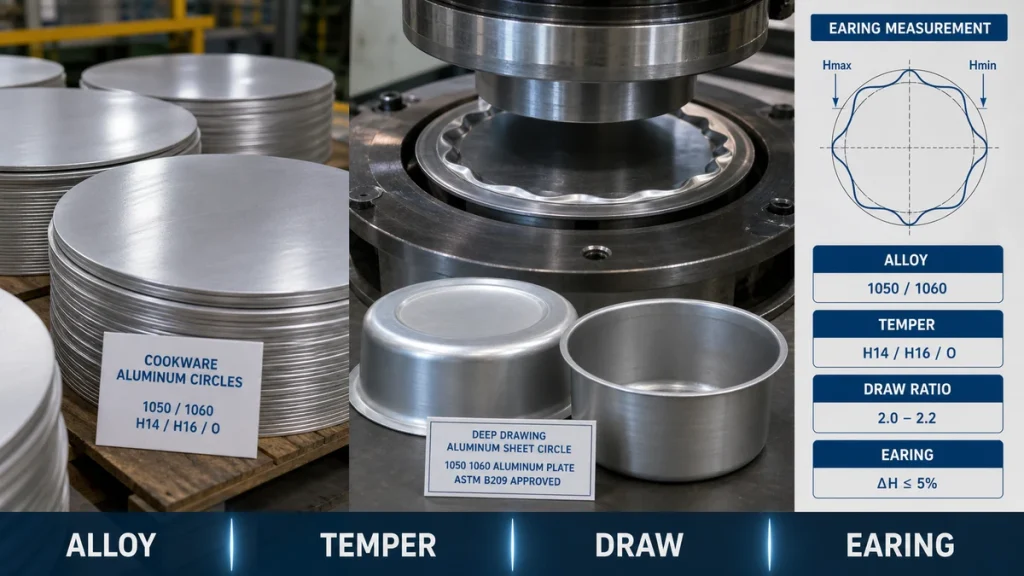
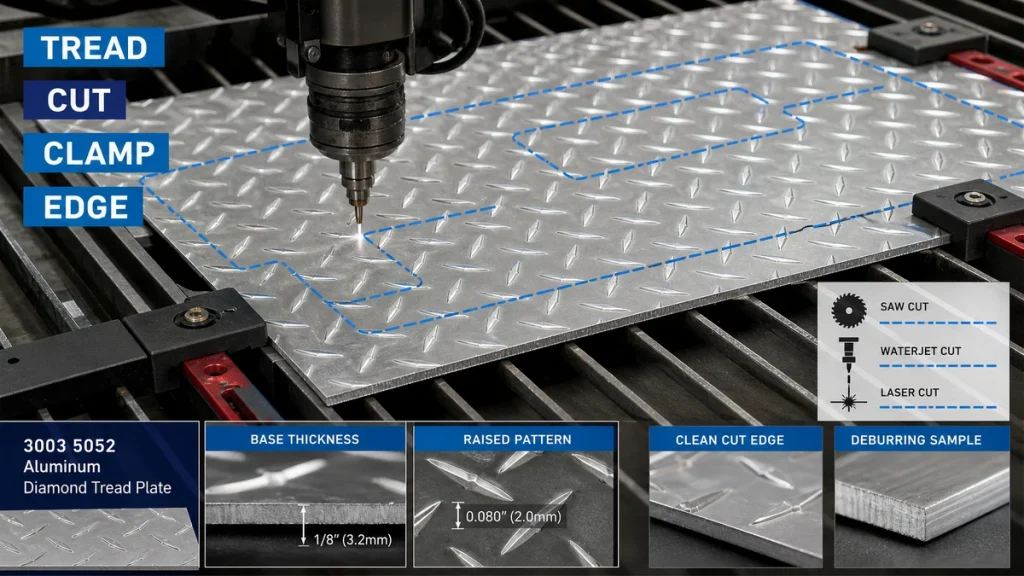
China Common Alloy Aluminum Sheet Manufacturer, Factory & Suppliers should be evaluated by alloy grade, temper, thickness tolerance, surface condition, packaging method, and the inspection documents available for the order.
For product development, the best inquiry includes application use, target dimensions, quantity range, sample expectations, and any comparison products. This helps the supplier respond with relevant options instead of a general catalog only.
Begin with the product function. Note whether the aluminum sheet will be used for forming, cutting, decoration, enclosure parts, panels, or another application. This helps narrow alloy, temper, finish, and thickness requirements.
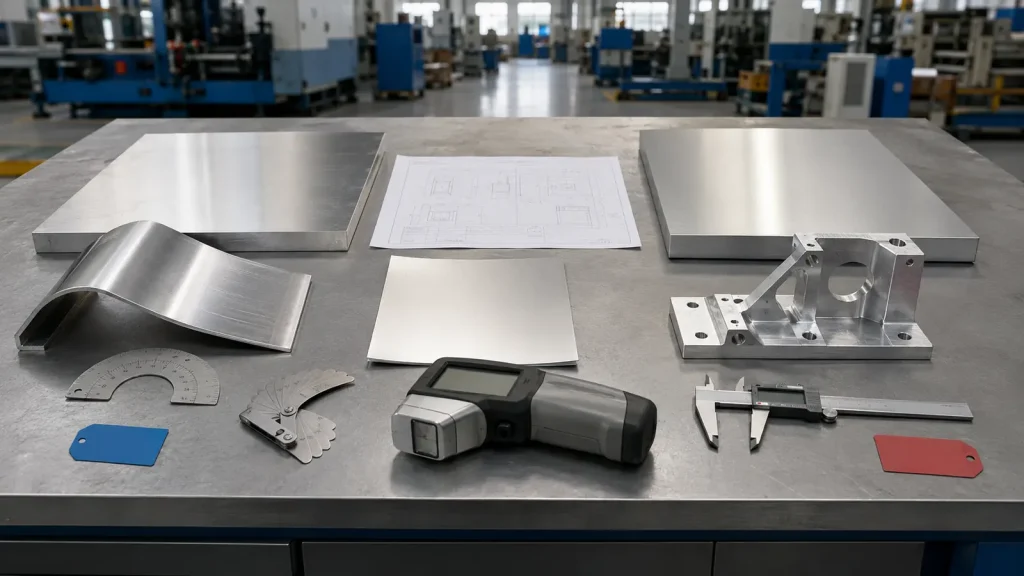
Prepare the RFQ with measurable details. Include width, length, thickness, tolerance needs, surface requirements, order quantity, delivery destination, packaging preference, and whether test reports or inspection records are needed.
For a new product line, request samples or small trial quantities when practical. Use them to confirm appearance, processing behavior, dimensional stability, and compatibility with your planned production or assembly process.
When comparing supplier options, review how clearly each supplier answers technical questions, explains quality checks, and supports after-sales communication. Good documentation and responsive follow-up can reduce sourcing uncertainty.