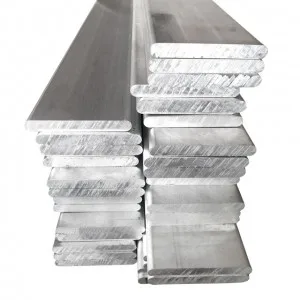
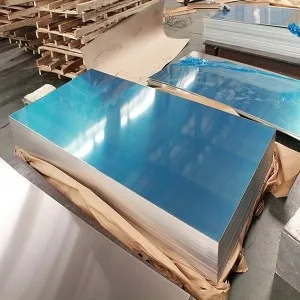
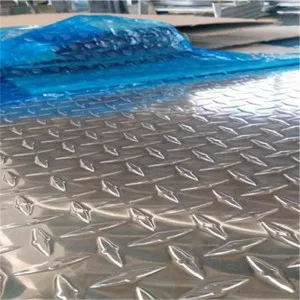
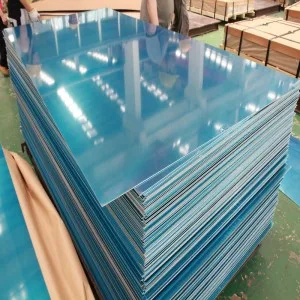
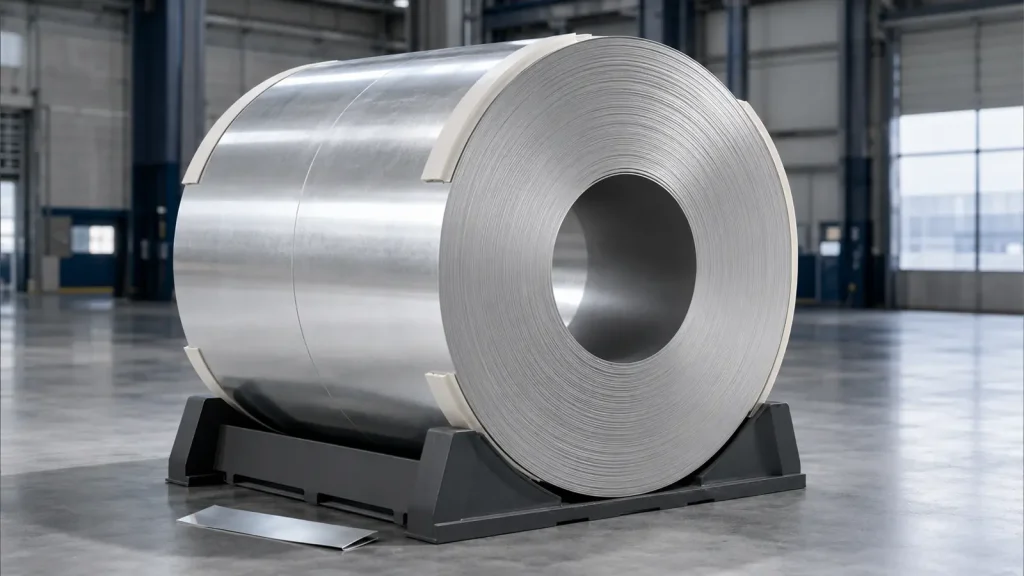
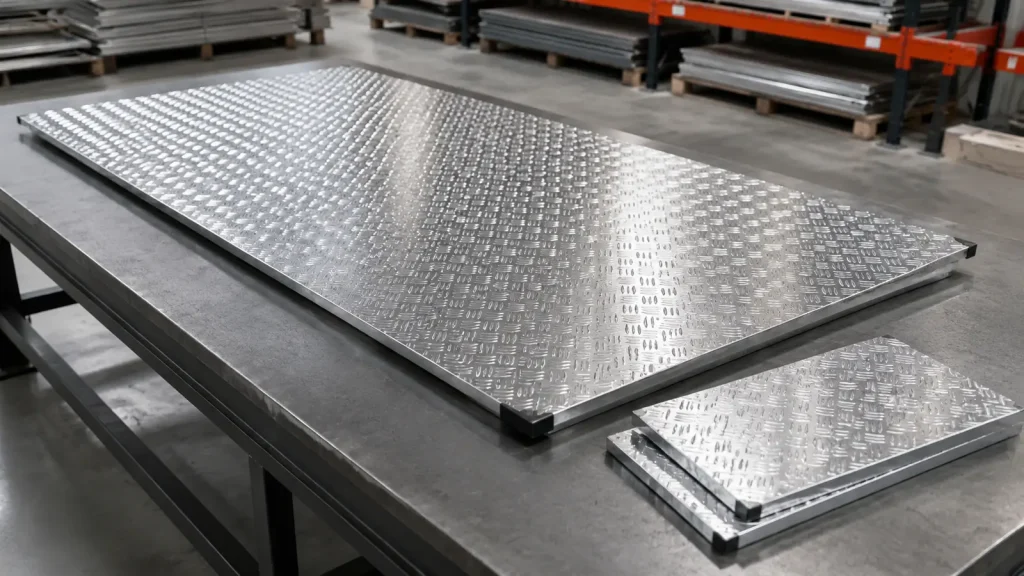
China I Shape Aluminum Profile Manufacturer, Factory & Suppliers should be evaluated by material, size, configuration, finish, quantity capability, and communication during the quotation process. Share the application, drawings or reference samples, required quantity, destination, and delivery expectations so suppliers can respond against the same requirements.
For a reliable comparison, ask how specifications are checked, how samples are approved, what customization is available, and how packaging or after-sales questions are handled. A structured supplier response makes it easier to identify the best application and order fit.
Begin with the application and installation conditions. Record the required alloy or material grade, profile dimensions, wall thickness, length tolerance, surface finish, load or connection requirements, and any environmental considerations. If the final configuration is not fixed, provide drawings, photos, or a sample for review.
When preparing an RFQ, separate fixed requirements from acceptable alternatives. Include estimated order quantity, repeat-order expectations, cut-length needs, accessories, packaging preferences, destination, and target schedule. Ask suppliers to identify which details affect pricing, tooling, minimum order quantity, or lead time.
Use samples and technical documents as quality checkpoints. Compare measured dimensions, finish consistency, straightness, markings, packaging condition, and conformity with the approved specification. For an export order, confirm the inspection process, packing method, shipping documents, and procedure for reporting shortages or specification issues.
Review supplier communication as part of the buying decision. Look for clear answers, complete quotation terms, practical follow-up questions, and a defined path for samples, revisions, production updates, and after-sales support. Keep the approved specifications and quality checks in writing for future orders.