
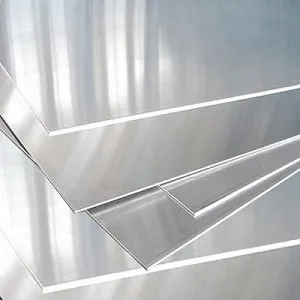
1070 aluminum sheet plate factory
1070 is a pure aluminium alloy. It is a wrought alloy with a high corrosion resistance and an excellent brazing ability. 1070 aluminum plate is a material used to manufacture some structural parts wit…
Read MoreHow to Weld Sheet Aluminum: A China Sourcing Guide to Manufacturers, Suppliers & Factories | SUZHOU TOP METAL MATERIALS CO.,LIMITED
If you are replacing an existing source for sheet aluminum welding-related products, this page helps you build a focused shortlist before contacting suppliers. It is designed for private-label brand owners who need clear product options, fast quotation feedback, and practical details for comparison.
Use it to review China How To Weld Sheet Aluminum Manufacturer, Factory & Suppliers options by application fit, technical requirements, custom possibilities, and supplier response quality.
1070 is a pure aluminium alloy. It is a wrought alloy with a high corrosion resistance and an excellent brazing ability. 1070 aluminum plate is a material used to manufacture some structural parts wit…
Read More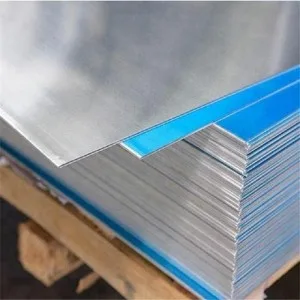
The 3003-aluminum sheet is a pure aluminum that is used commercially. It’s moderately strong and can resist corrosion. Although it’s not heat treatable, it can be easily welded. It can also be formed …
Read More
3003 Aluminum Sheet Features ♦ Alloy: 3003 ♦ Temper: H14, H16, H18, H22, H24, H26, O ♦ Thickness(mm):0.25-10 ♦ Width(mm):800-2200 ♦ This series aluminum sheet is anticorrosive and its production techn…
Read More
5083 aluminium alloy is an aluminium alloy with magnesium and traces of manganese and chromium. It is highly resistant to attack by seawater and industrial chemicals. Alloy 5083 retains exceptional st…
Read More
Mill Finish Aluminum Sheet Circle 1060 1070 1100 3003 Aluminum Plate For Cookware Aluminum circle 1050 1060 1070 3003 etc is mainly used in making cookware, like non-stick pan, pressure cooker, hardwa…
Read More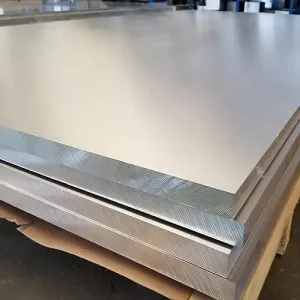
3105 aluminum is a 3000-series aluminum alloy: the main alloying addition is manganese, and it is formulated for primary forming into wrought products. 3105 is the Aluminum Association (AA) designatio…
Read MoreProduct Shortlist Guide
The related product list helps you compare China How To Weld Sheet Aluminum Manufacturer, Factory & Suppliers by actual product direction rather than keyword wording alone. Check whether each product supports replacement sourcing, then use the table below to prepare a clearer RFQ.
| Criterion | What To Check | Why It Matters | Buyer Tip |
|---|---|---|---|
| Alloy and temper | Request grade, temper, and thickness options | Confirms replacement compatibility | Send the original sheet specification |
| Weld joint details | Share joint type, dimensions, and access | Supports suitable welding guidance | Include drawings or clear photos |
| Surface condition | Confirm finish, oxidation, and coating needs | Affects cleaning and weld preparation | State whether post-weld finishing is required |
| Quotation response | Compare reply speed and quote completeness | Shortens replacement sourcing cycles | Use one standardized inquiry sheet |
| Custom and after-sales support | Ask about samples, revisions, and issue handling | Reduces private-label project risk | Confirm contacts and response steps |
China How To Weld Sheet Aluminum Manufacturer, Factory & Suppliers should be evaluated by how clearly they can match your application, confirm material and size details, and respond to quotation requests with usable information. For replacement sourcing, share the current product reference, photos, drawings, or key specifications early.
A good inquiry should ask about technical details, quality checks, packaging, custom options, and after-sales support. This helps you compare suppliers faster and avoid vague product lists that do not fit your private-label project.
Start with a clear shortlist brief. Define the sheet aluminum application, welding method involved, required thickness or dimensions, surface expectations, and any product function that must match your current supply. If you are replacing a supplier, include what worked well and what needs improvement.
When requesting a quotation, provide quantity range, destination, packaging style, branding needs, and target timeline. This helps suppliers respond with more relevant pricing and reduces repeated clarification. For private-label sourcing, also ask whether labels, cartons, manuals, or other presentation details can be adjusted.
Compare suppliers by the quality of their questions as well as their price. A supplier that confirms technical details, application fit, tolerance concerns, inspection points, and sample steps may be easier to work with than one that only sends a general catalog.
Before final selection, check how after-sales support and quality feedback are handled. Ask what information is needed for issue review, how replacement parts or corrections are discussed, and how future orders can keep the same specification and packaging requirements.
| Criteria | Importance | Description | Example Options |
|---|---|---|---|
| Application fit | High | Matches end use and replacement need | Load, environment, installation |
| Welding details | High | Defines process feasibility | Thickness, joint, filler |
| Quality checks | High | Clarifies inspection expectations | Porosity, warpage, dimensions |
| Custom options | Medium | Supports private-label projects | Drawing, finish, packaging |
| Communication speed | High | Improves shortlist and quotation flow | Fast replies to specs |
Recommended Products
Top product matches should be reviewed by fit, specification clarity, customization readiness, and how well they support product shortlist building. Use these factors to shortlist practical options before contacting the supplier.



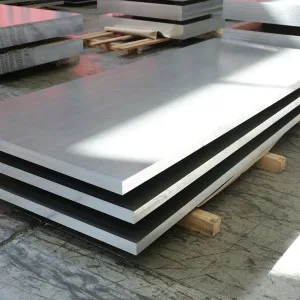

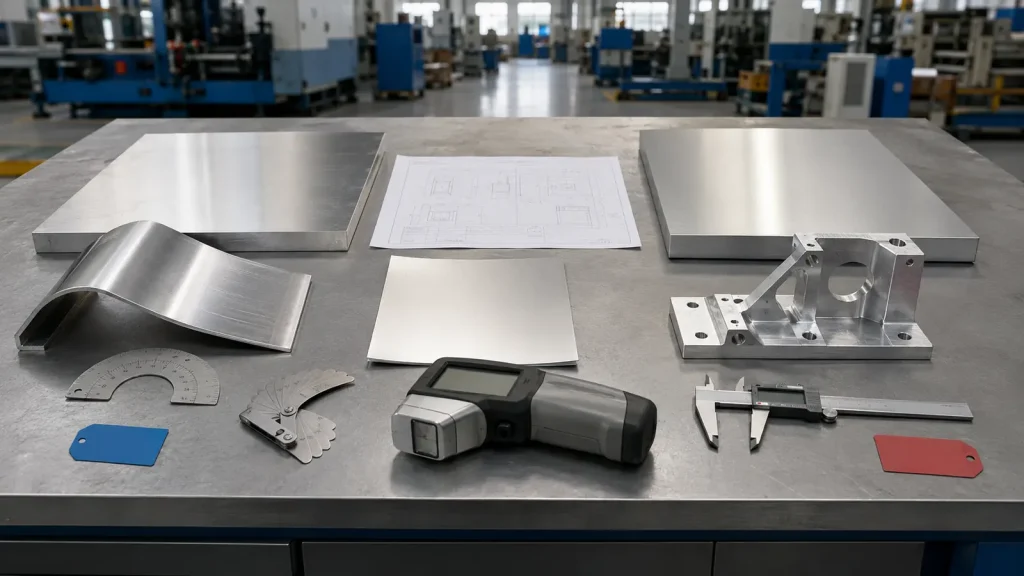
6061-T4 and 6061-T6 are not different aluminum alloys; they are different temper conditions of alloy 6061. Buyers should not treat T6 as a universally “better” version of T4. The correct t…
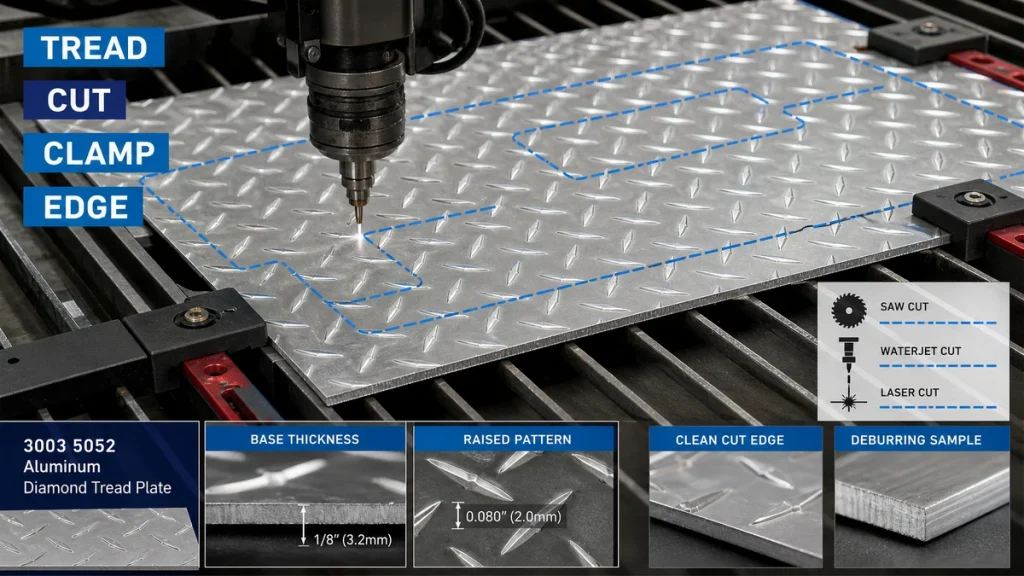
How Should Fabricators Cut Diamond Tread Aluminum Sheet Without Distorting the Pattern or Edges? For fabricators of flooring, steps, toolboxes, and industrial panels, when assessing how to cut diamond…
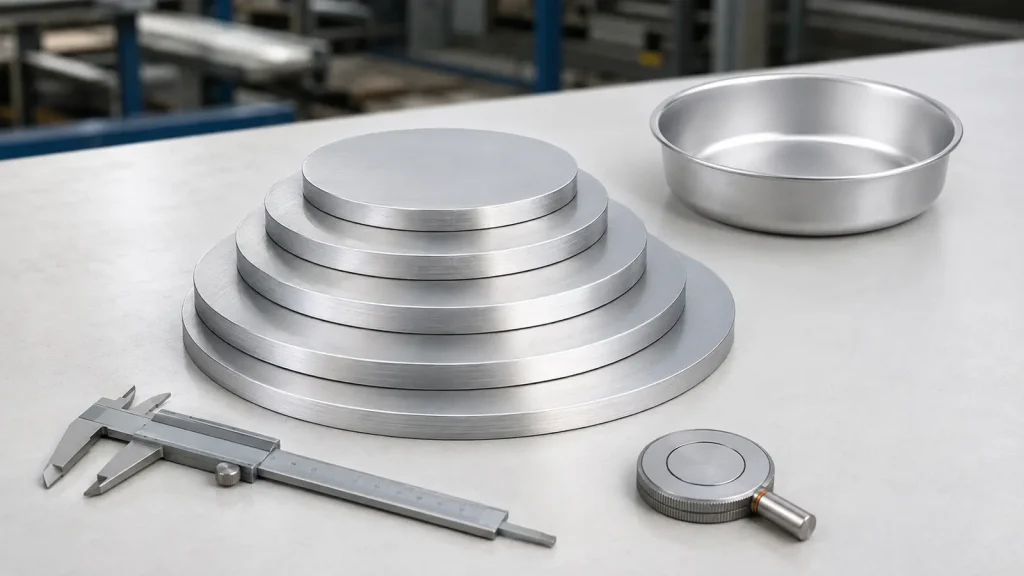
Direct Answer: Buyers should evaluate a versatile aluminum circle plate disc against the finished part and forming route, then confirm alloy, temper, thickness, diameter, dimensional tolerance, edge c…

Direct Answer: Buyers should ask an anodised aluminum sheet supplier China sourcing teams are reviewing to define the base alloy, temper, thickness, sheet size, anodizing sequence, finish, color-contr…
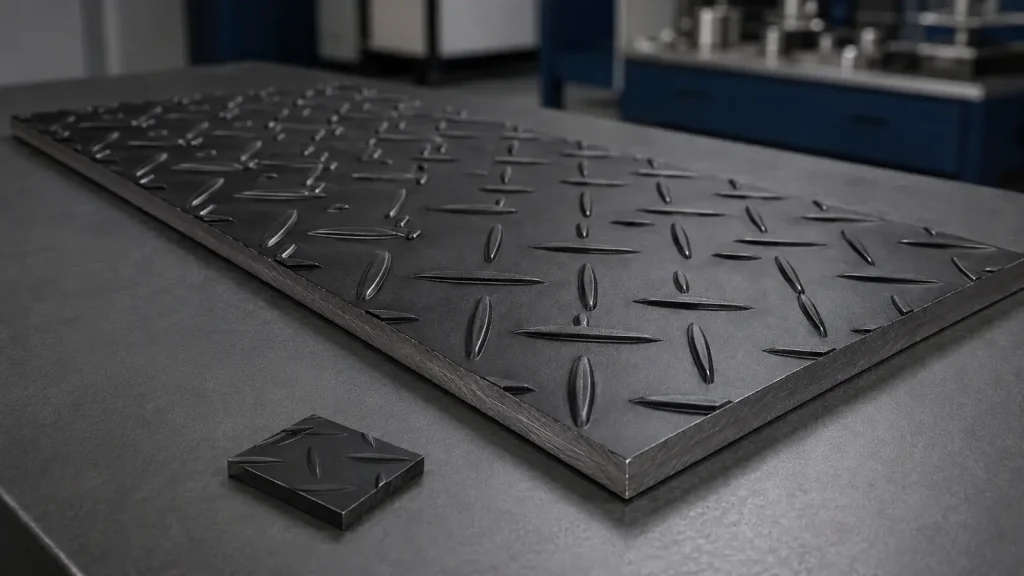
Buyers should evaluate black anodized aluminum tread plate as a complete material-and-finish specification, not as a black decorative surface alone. A workable purchase specification identifies the al…
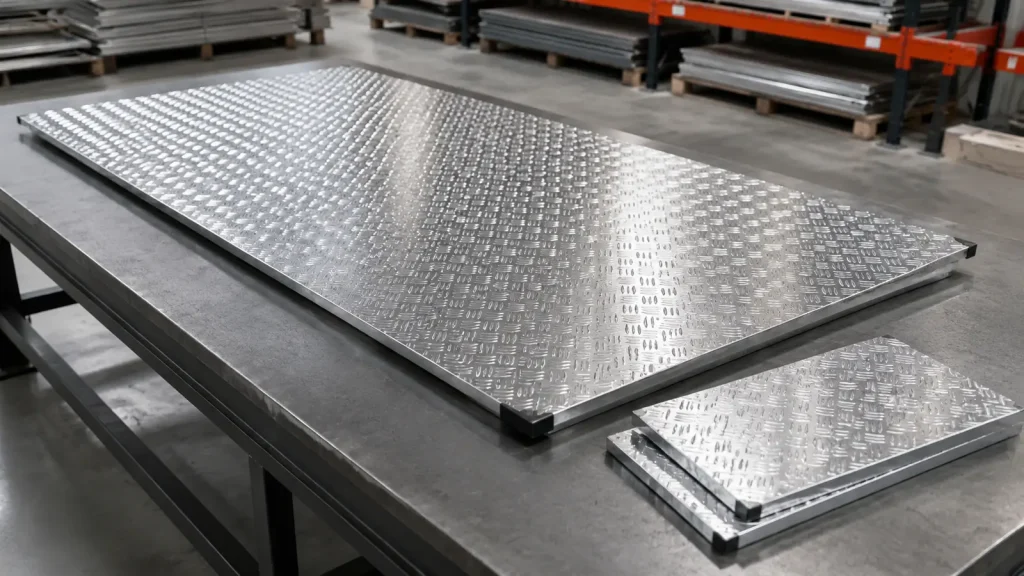
A 4×8 aluminum checkered plate order should define much more than nominal sheet length and width. Buyers need to state the alloy and temper, base-metal thickness, raised pattern, finished dimensi…
Buyer feedback on this page can help you see how others approach application details, related product shortlisting, custom project planning, and specification checks before contacting a supplier.
I used the guidance on how to weld sheet aluminum to frame our RFQ around sheet thickness, joint design, cleaning steps, and the welding method we need.
Before contacting suppliers, I compared advice on how to weld sheet aluminum with our shop constraints, especially heat control, distortion risk, and access for the torch.
The page helped me ask more precise questions about how to weld sheet aluminum, including filler selection, surface preparation, and how the finished joint will be inspected.
I was researching how to weld sheet aluminum for a small enclosure project, and the practical checkpoints helped me separate useful supplier replies from generic recommendations.
Share alloy grade, sheet thickness, joint type, weld length, appearance requirements, end-use environment, and current failure issues. Clear drawings or photos help the supplier suggest welding method, edge preparation, and quotation scope faster.
Focus on sheet thickness, heat input control, filler compatibility, distortion tolerance, surface finish, and post-weld cleaning needs. These details help compare suppliers beyond product names and identify which process fits your replacement sourcing plan.
Ask how weld appearance, penetration, porosity, warpage, and dimensional accuracy are checked. Provide your inspection points and acceptable tolerances so the supplier can respond with practical process suggestions and avoid unclear quotation assumptions.
Yes. Private-label buyers should confirm material grade, branding restrictions, drawing confidentiality, packaging preferences, and assembly interfaces early. This supports a cleaner shortlist and helps suppliers judge whether custom welding, cutting, or finishing is suitable.
Provide load conditions, vibration exposure, corrosion environment, contact materials, visible surface needs, and installation method. These factors affect welding process choice, filler selection, finishing, and whether an alternative sheet aluminum structure should be reviewed.
Ask how technical questions, drawing revisions, nonconformity feedback, and replacement part discussions are handled after purchase. For replacement sourcing, responsive communication is important because small specification changes can affect fit, welding quality, and reordering accuracy.
Send your current product reference, required specifications, quantity range, destination, and packaging or branding needs. Clear details help suppliers respond faster with a more useful quotation.