Led Up And Down Angle Aluminum Profiles Selection Guide | SUZHOU TOP METAL MATERIALS CO.,LIMITED

Angle Aluminum Profiles for Up-and-Down LED Lighting

LED up-and-down angle aluminum profiles are used where a fixture needs to direct light toward both a surface above and an area below, such as a wall feature or display. The first decision is whether the design needs two light paths at once or a single angled light path that can be installed in either orientation.

Related Products

Stucco Embossed Aluminum Sheet

Stucco Embossed Aluminum Sheet

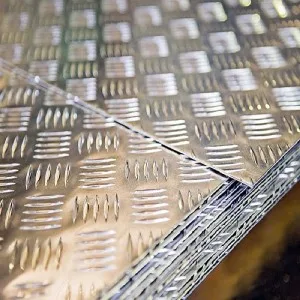
A stucco embossed finish is designed to have superior durability, reduce glare and reflectivity, and also to give aluminum a decorative finish. The stucco aluminum sheet is also a finish that can stan…

Read More

Match the profile to the light direction

Profile selection

Compare profile shapes by light direction, strip fit, diffuser position and mounting clearance. Those details determine whether the finished fixture delivers the intended effect and fits its installation space.

Criterion What To Check Why It Matters Buyer Tip
Upward and downward beam angles Ask for a cross-section drawing showing each LED channel and its light direction in the installed position. The channel angles determine where light reaches the ceiling and wall; the profile shape alone does not show the final effect. Which surfaces should each beam illuminate, and at what mounting position?
LED strip and diffuser fit Compare the usable width and depth of both channels with the planned strips, connectors and diffuser clips. A strip may fit the channel but leave too little room for wiring or prevent the diffuser from seating. Can you provide a section drawing with both strips and diffusers in place?
Mounting position and access Review the fixing method, cable exit and access to each channel after installation. A profile that looks suitable in section may be difficult to mount or maintain against the intended surface. How will the profile be fixed, and can the strips be replaced without removing it?
Heat path for both strips Confirm where each strip contacts the aluminum and review the strip maker’s mounting and thermal guidance. Two lit channels add heat, while poor contact can reduce the aluminum’s ability to carry it away. Will both strips have continuous contact with an aluminum mounting surface?
Visible finish and light blending Assess a lit sample with the intended strips and diffusers at the planned viewing distance. Diffuser appearance, visible LED dots and finish color can change how the upward and downward light looks in the space. Can we assess the assembled profile in the intended mounting orientation?

Check fit, diffusion and service access

A single angled channel normally directs light one way; turning it over changes the direction but does not create simultaneous up-and-down lighting. For both directions at once, the assembly needs separate light-emitting paths. That distinction affects the profile shape, strip placement, diffusers and mounting space.

Start with the surfaces you want to illuminate. An upward wash can emphasize a ceiling or recess, while downward light can make a display edge more visible. A sketch showing the mounting position and desired light directions is more useful than the word “angle” alone.

Check the space available for the profile, LED strips, diffusers and end details. A shallow installation may look discreet but leave less room to position the strips or soften visible LED dots. Confirm the strip dimensions and how the diffuser will look at the intended viewing distance.

Consider access after installation. A profile fitted tightly into joinery may be difficult to service if a strip or diffuser needs replacing. Also confirm how the assembled fixture will manage heat for the strips you plan to use; the profile’s appearance alone does not establish that it is suitable.

Before choosing a section, send a mounting sketch, strip dimensions and the finish you need. Ask SUZHOU TOP METAL MATERIALS CO.,LIMITED which profile shapes and compatible diffuser options it can offer for that arrangement.

Criteria Importance Description Example Options
Light-path arrangement Defines whether the fixture can illuminate both directions at the same time. Compare a section with two separate strip positions against a single angled channel that lights only in its installed direction. A display needing light above and below calls for two light-emitting paths.
LED strip and diffuser fit Affects assembly and the appearance of the lit surface. Check strip width, available placement space and diffuser compatibility together; a strip that fits the channel may still produce unwanted visible dots. Compare a clear cover with a diffusing cover using the intended LED strip.
Mounting and wiring clearance Determines whether the section fits without obstructing nearby surfaces or cable exits. Allow space for the profile, its fixing method, end details and wiring path in the actual installation. A profile in a shallow recess may need a different cable exit from one mounted on an open wall.
Access after installation Matters if a strip or diffuser may need replacement. Compare how each mounting arrangement allows access to the cover and LED strip without disturbing surrounding joinery. An exposed wall-mounted section is generally easier to reach than one enclosed behind a fixed panel.
Installation environment Changes which strip, cover and assembly details are suitable. Tell the supplier if the fixture will face moisture, dust or frequent cleaning; an aluminum profile alone does not establish protection for the completed light. A dry interior display and a damp location need different checks for the assembled fixture.

Blog Articles / Reviews

Frequently Asked Questions

Will this type of profile work for a wall wash?

It can, but the result depends on the LED strip, diffuser, mounting position and distance from the wall. If you want a smooth wash rather than a bright line or visible LED dots, check the light effect with the intended strip and mounting position.

Is one dual-direction profile better than two separate channels?

A dual-direction profile can give the installation a single, tidy outline. Two separate channels offer more freedom to position and aim the upward and downward light independently, but need more mounting space.

Does an angled aluminum profile set the light beam angle?

Not by itself. The profile positions the LED strip, while the strip, diffuser and surrounding surfaces also affect where the light goes and how it appears.

Can the aluminum profile alone prevent an LED strip from overheating?

No. Aluminum can help transfer heat, but suitability depends on the strip’s power, its contact with the profile and the installation conditions. Check the assembled fixture against the LED strip supplier’s thermal guidance.

What should I confirm before ordering cut lengths?

Confirm the finished mounting length, how end caps or joints affect that length, and where the strip wiring must exit. Ask which section lengths, cutting options, finishes and matching accessories are available for the profile under consideration.

Leave Your Message

Share a mounting sketch, the dimensions of your LED strips and whether you need simultaneous up-and-down light or one angled direction.