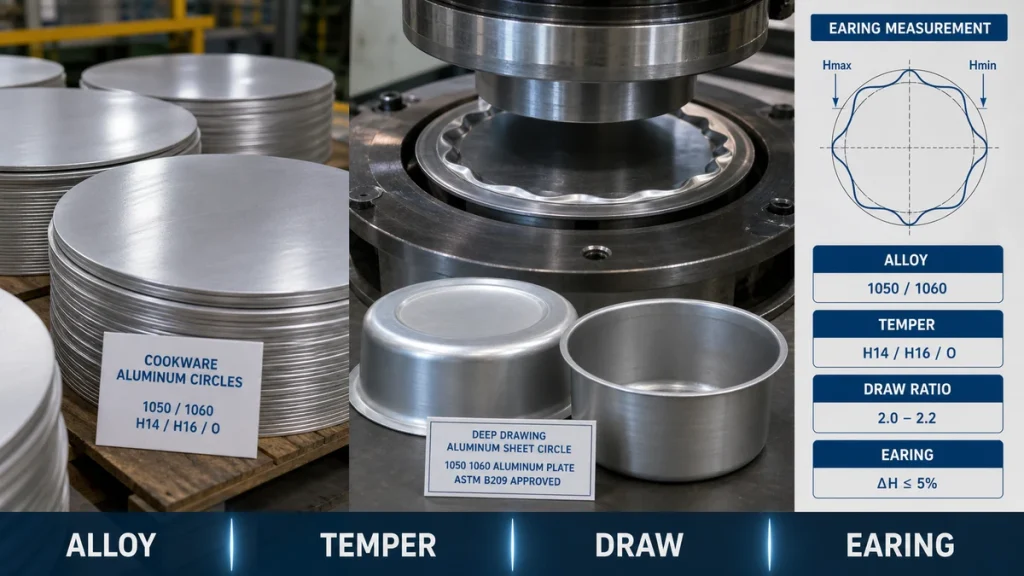
In many sheet metal forming projects, aluminum is generally easier to mold, bend, or shape than copper when thickness and temper are comparable. However, the final answer depends on alloy grade, hardness, part geometry, tooling, surface finish, and the required tolerance.
Copper can also be formed well, but it may need closer attention to work hardening, surface protection, and application requirements. For sourcing, share drawings, sample targets, and end-use details so the supplier can confirm whether aluminum or copper is more suitable.
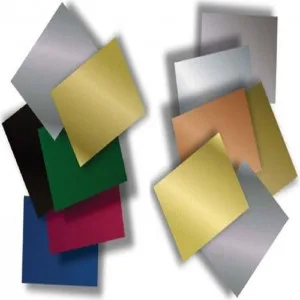
Start with the application. Explain whether the sheet metal will be bent, stamped, punched, polished, coated, branded, or assembled with other parts. This helps the supplier judge whether aluminum or copper is better for your forming method and appearance target.
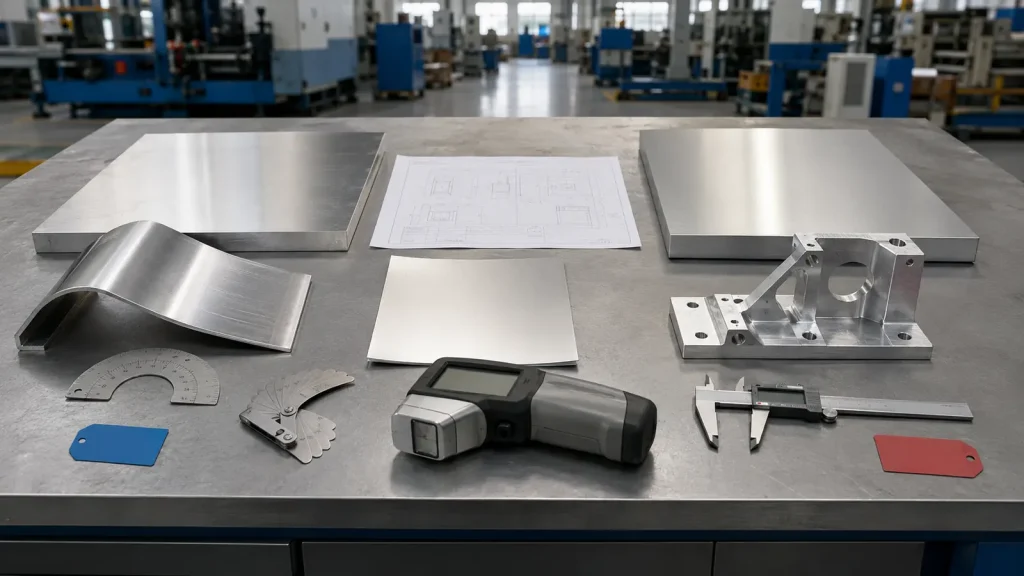
Prepare a specification checklist before requesting a quote. Include material grade, temper, thickness, dimensions, tolerance, surface finish, color requirements, logo or brand customization, packaging method, and expected order quantity. If you are unsure, provide photos, drawings, or reference samples.
For sample confirmation, ask how the supplier will check size, surface, flatness, edge condition, and packaging before shipment. For custom projects, also confirm whether the approved sample will be used as the reference for later production.
When comparing China Which Is Easier To Mold Aluminum Or Copper Sheet Metal Manufacturer, Factory & Suppliers, do not review price alone. Look for clear technical feedback, practical questions, sample support, inspection discussion, and after-sales communication that can reduce project risk.