

1100 1060 alloy qualicoat aluminum perforated sheet
The qualicoated aluminum perforated sheet is from a certified powder coating applied to the aluminum surface, meeting strict international standards, and it provides…
Read MoreStandard Alloy for Expanded Aluminum Sheet Sourcing in China: Manufacturer, Factory and Supplier Review | SUZHOU TOP METAL MATERIALS CO.,LIMITED
For a product development team, sourcing expanded aluminum sheet starts with confirming the alloy choice, inspection requirements, and documents needed for internal review. This page supports evaluation of China Standard Alloy for Expanded Aluminum Sheet Manufacturer, Factory & Suppliers for early-stage product planning.
Use the related products, comparison notes, and supplier questions to prepare a clearer RFQ. The focus is quality review, sample confirmation, and practical details that help reduce uncertainty before moving a new product line forward.
The qualicoated aluminum perforated sheet is from a certified powder coating applied to the aluminum surface, meeting strict international standards, and it provides…
Read More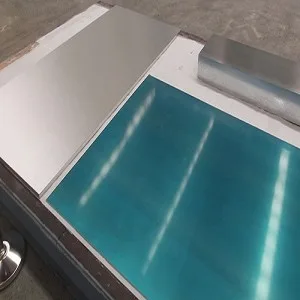
High strength 5005 Aluminium Plate Alloy 2mm 3mm 4mm for Architectural applications 5005 aluminium alloy plate is an aluminium alloy with good resistance to atmospheric corrosion. It is used in decora…
Read More
High glossy reflective Specular bright alloy 1085 anodized aluminum mirror finish sheet 1085 aluminium bright mirror sheet coil 1085 H24, H18, H19 Thickness: 0.3-1.0mm Width: 250mm-1500mm Surface: Bri…
Read More
3003 Aluminum Sheet Features ♦ Alloy: 3003 ♦ Temper: H14, H16, H18, H22, H24, H26, O ♦ Thickness(mm):0.25-10 ♦ Width(mm):800-2200 ♦ This series aluminum sheet is anticorrosive and its production techn…
Read More
Mirror Finish Alloy Metal Anodized Aluminum Plate Sheet is widely used in lighting reflectors and lamp decorations, solar heat collection reflective materials, interior architectural decoration, exter…
Read More
Plain 3003 Aluminium Alloy Plate Aluminum Roofing Coil For Trailer 3000 series aluminum Plate are widely used in construction,decoration,pipe, packing,automobile,air conditioner ,pot,containers,refrig…
Read MoreProduct Development Review
The related product list helps you compare China Standard Alloy for Expanded Aluminum Sheet Manufacturer, Factory & Suppliers by actual product direction rather than keyword wording alone. Check whether each product supports new product line development, then use the table below to prepare a clearer RFQ.
| Criterion | What To Check | Why It Matters | Buyer Tip |
|---|---|---|---|
| Alloy match | Confirm grade and temper | Supports design validation | List target alloy in RFQ |
| Mesh geometry | Review strand, SWD, LWD | Controls fit and function | Attach drawing or sample |
| Surface condition | Check finish and burr level | Affects assembly review | Define inspection limits |
| Tolerance plan | Verify sheet size tolerance | Reduces trial errors | State critical dimensions |
| Documentation | Request COA and QC records | Supports supplier comparison | Ask before sampling |
China Standard Alloy for Expanded Aluminum Sheet Manufacturer, Factory & Suppliers should be reviewed by alloy suitability, sheet size, mesh pattern, thickness, surface finish, tolerance needs, and available documentation. Product development teams should also confirm how samples and inspection details are handled before larger orders.
A useful inquiry should include application context, target specifications, expected quantity, sample needs, destination, and any packaging or finishing requirements. This helps the supplier respond with relevant options instead of a general product list.
Begin by defining where the expanded aluminum sheet will be used and what the new product line must achieve. Share intended application, visual requirements, load or ventilation needs if relevant, and any drawings or reference samples. This allows the supplier to compare suitable standard alloy options more accurately.
For quality review, ask about inspection points such as alloy grade confirmation, sheet thickness, strand width, opening size, flatness, surface condition, and packaging condition. If your team needs internal approval, request photos, sample records, material details, and other available documents before confirming production.
When preparing an RFQ, include quantity range, target delivery schedule, destination port or address, preferred Incoterms if known, and whether the order is for testing, pilot production, or regular supply. Clear RFQ details help reduce repeated questions and make supplier quotations easier to compare.
Compare related products carefully before selecting one specification. A small change in alloy, thickness, mesh opening, or finish can affect cost, fabrication, appearance, and end-use performance. If after-sales support matters, ask how the supplier handles specification questions, order follow-up, and issue communication after shipment.
| Criteria | Importance | Description | Example Options |
|---|---|---|---|
| Alloy selection | High | Matches strength and corrosion needs | Standard aluminum alloy option |
| Mesh geometry | High | Controls open area and appearance | Diamond opening, strand width |
| Inspection documents | High | Supports quality review | Dimension check report |
| Sample approval | Medium | Confirms production expectations | Approved reference sample |
| Related product fit | Medium | Helps shortlist alternatives | Expanded vs perforated sheet |
Recommended Products
Top product matches should be reviewed by fit, specification clarity, customization readiness, and how well they support quality review. Use these factors to shortlist practical options before contacting the supplier.







Direct Answer: Buyers should ask an anodised aluminum sheet supplier China sourcing teams are reviewing to define the base alloy, temper, thickness, sheet size, anodizing sequence, finish, color-contr…
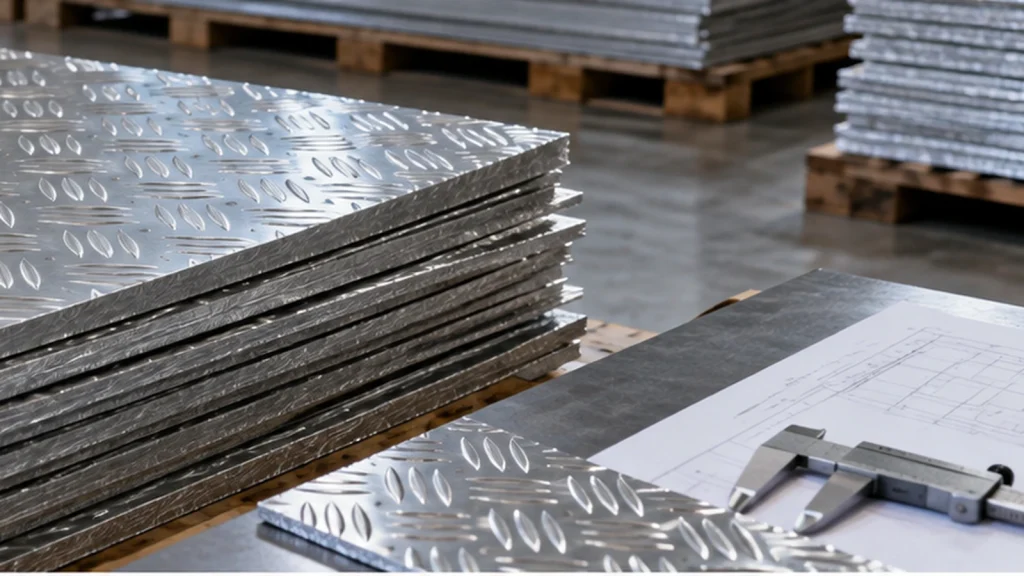
A 4×8 sheet of 1/4 inch aluminum price quotation becomes useful only after the buyer confirms that every supplier is pricing the same product and delivery scope. For this procurement path, the ta…

Buyers should send the required alloy, temper, thickness, sheet size, hole shape, hole size, pitch, pattern orientation, open area, blank margins, tolerances, finish, flatness, burr direction, drawing…
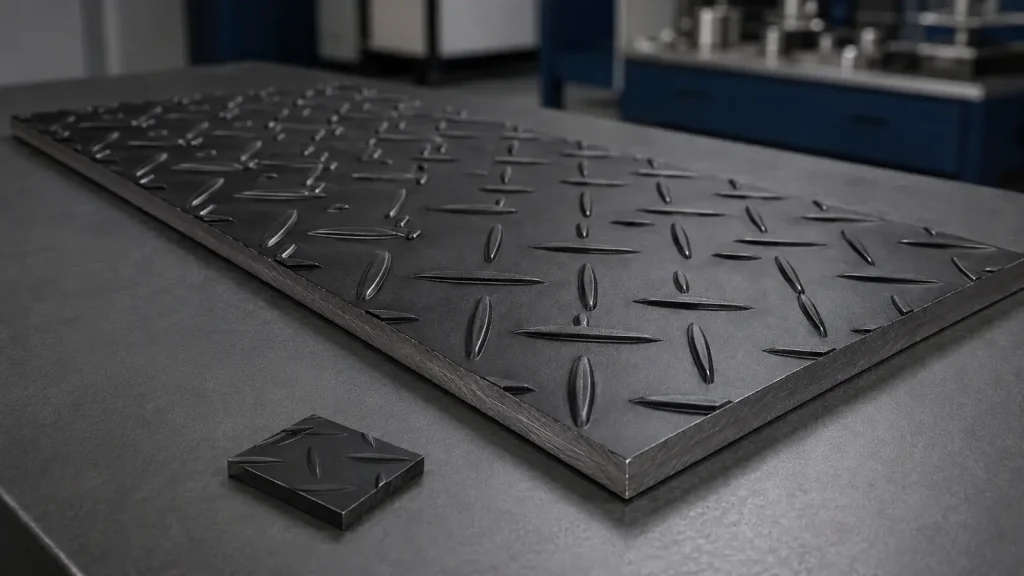
Buyers should evaluate black anodized aluminum tread plate as a complete material-and-finish specification, not as a black decorative surface alone. A workable purchase specification identifies the al…

Before production, buyers should freeze the 5083 aluminum coil’s governing material standard, temper, thickness and tolerance, width and edge condition, coil inside diameter, maximum outside dia…
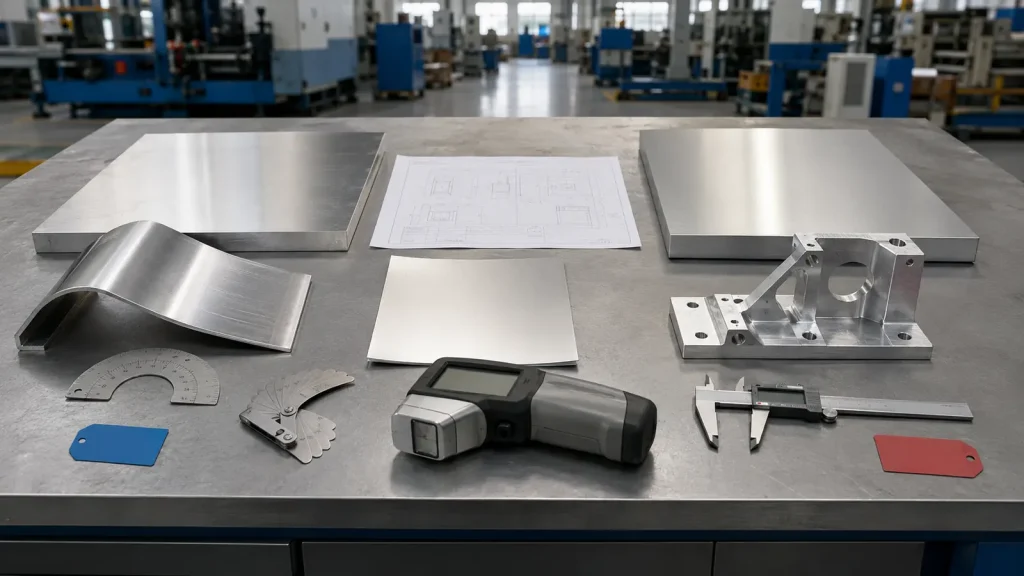
6061-T4 and 6061-T6 are not different aluminum alloys; they are different temper conditions of alloy 6061. Buyers should not treat T6 as a universally “better” version of T4. The correct t…
Buyer feedback on this page reflects common sourcing situations such as shortlisting related products, checking specifications, planning custom projects, and comparing supplier options.
I used this tag page to frame my questions about standard alloy choices for expanded aluminum sheet before contacting China suppliers.
I needed a clearer way to discuss alloy suitability for expanded aluminum sheet, and this page helped me organize that buying conversation.
I was comparing manufacturer pages and found the standard alloy focus useful for narrowing expanded aluminum sheet questions without overcomplicating the inquiry.
I referenced this page while drafting an RFQ because it kept my expanded aluminum sheet notes centered on standard alloy selection.
Include alloy grade, sheet thickness, strand width, opening size, sheet dimensions, surface finish, temper, tolerance needs, drawing files, application environment, inspection points, and expected documentation so suppliers can review feasibility accurately.
Compare expanded sheet against perforated sheet, woven mesh, and punched panels by open area, strength, weight, edge condition, forming needs, appearance, and inspection method. This helps shortlist the most suitable option for new product development.
Check the sample alloy reference, thickness, strand consistency, aperture shape, flatness, surface condition, burr level, dimensions, and any forming or finishing compatibility. Record findings against your drawing and approved inspection checklist.
Alloy choice is influenced by corrosion environment, strength requirement, weight target, forming process, surface treatment, and assembly method. Product teams should confirm whether standard aluminum alloy properties match the intended structure and end-use conditions.
Typical checks include alloy or material trace reference, thickness, mesh opening, strand width, sheet size, flatness, surface defects, edge quality, and packaging condition. Documentation should align with drawings, agreed tolerances, and project review records.
Ask how nonconforming material is reviewed, what photos or reports are needed, how technical questions are handled, and whether replacement, sorting, or corrective actions can be discussed based on documented inspection findings.
Send your application details, drawings or samples, target specifications, quantity range, and documentation needs so the supplier can prepare a more relevant quotation.