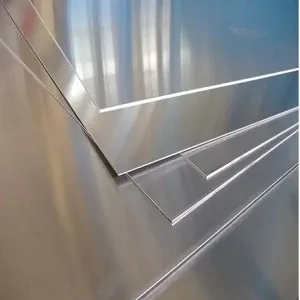
The weight of .125 aluminum sheet is usually checked so buyers can estimate handling needs, freight planning, packing strength, and project cost. A qualified supplier should help confirm the calculation basis, alloy, dimensions, tolerance, and order quantity before quoting.
If you are sourcing from China, compare manufacturers, factories, and suppliers by how clearly they answer specification, sample, lead-time, and packaging questions. Clear export handling support makes the shortlist review easier and reduces misunderstandings before bulk order preparation.
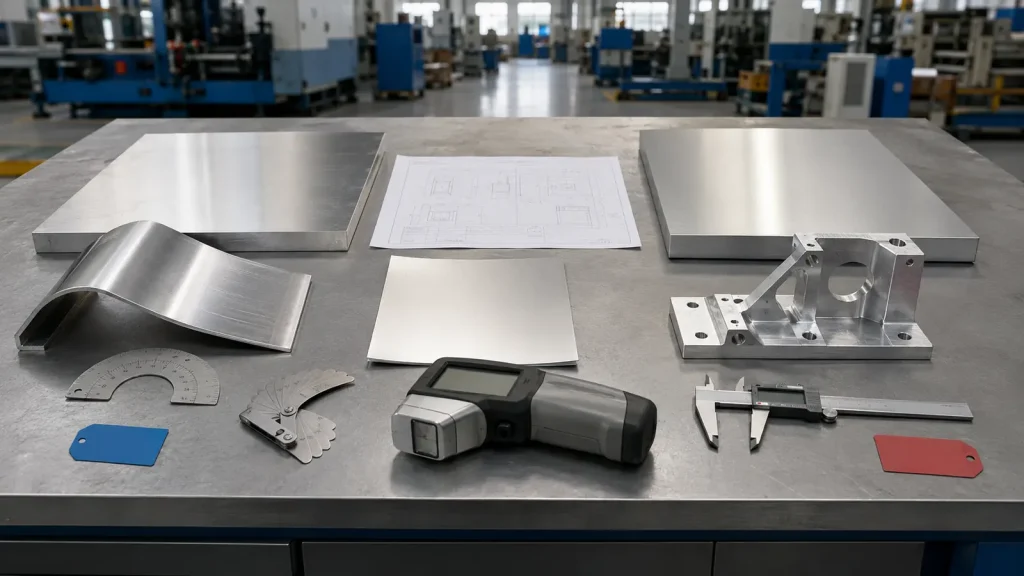
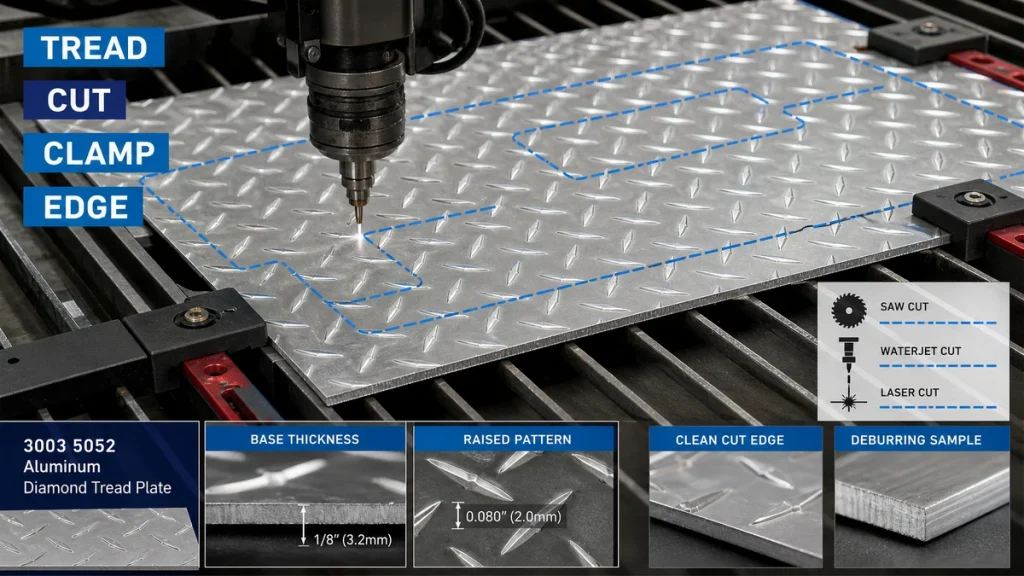
Start with the exact sheet requirements: thickness, width, length, alloy, temper, surface condition, and whether the material will be cut, formed, packed flat, or combined with other products. This helps the supplier confirm whether .125 aluminum sheet is the right option or whether a related thickness or finish should be compared.
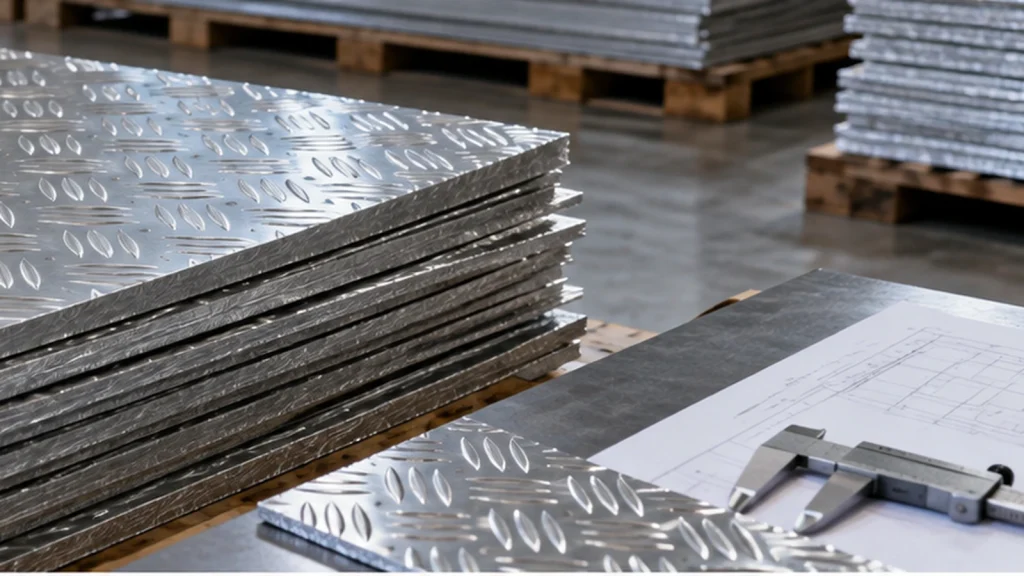
For an import distributor, packing details should be discussed early. Ask about pallet type, moisture protection, edge protection, stacking method, labeling, and container loading considerations. These details are important when sheets need to arrive ready for warehouse handling or customer resale.
Before requesting a formal quotation, prepare the order quantity, delivery destination, preferred trade terms, sample needs, and expected approval schedule. If you are planning a custom project, include drawings, tolerances, photos, or packaging requirements so the supplier can respond with fewer assumptions.
When comparing supplier options, review more than unit price. Check response quality, lead-time clarity, sample confirmation process, export document support, and whether the supplier asks practical follow-up questions. A good RFQ should make bulk order preparation easier, not create more uncertainty.