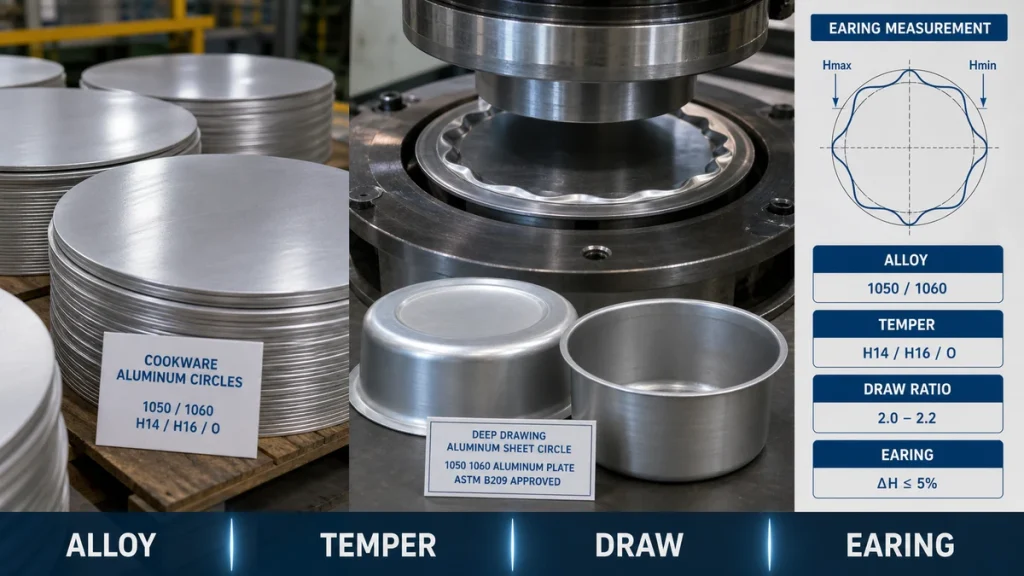
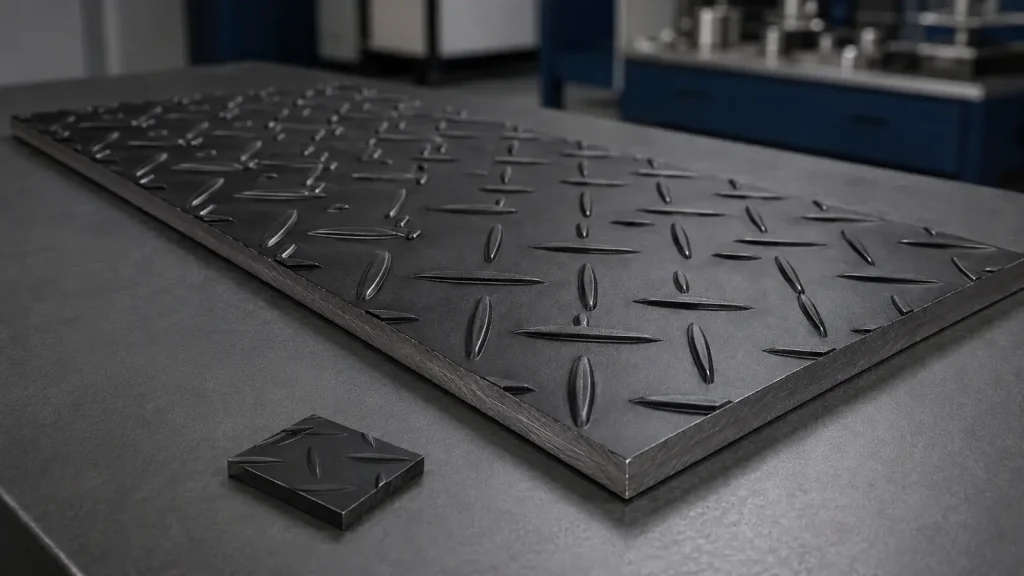
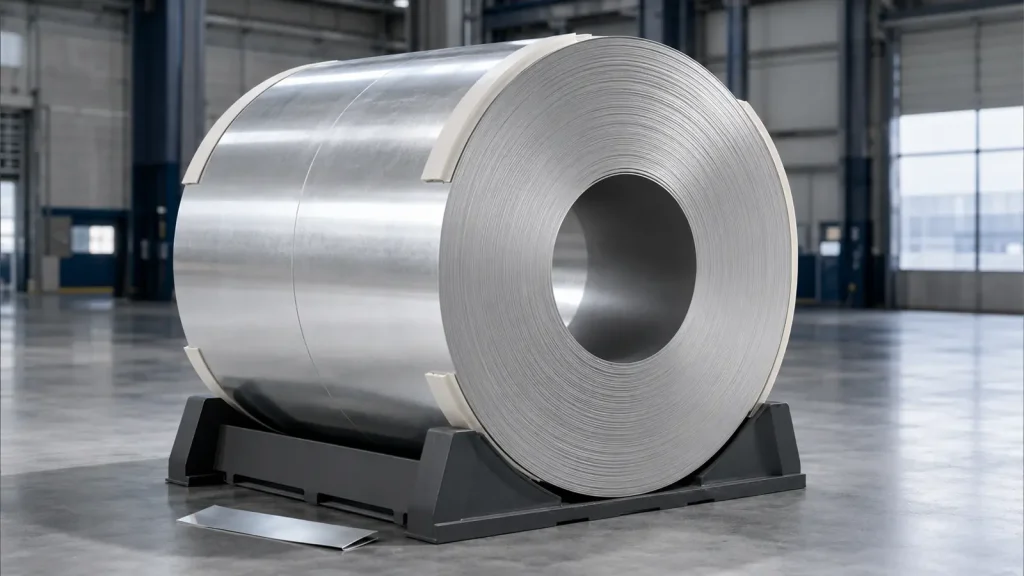
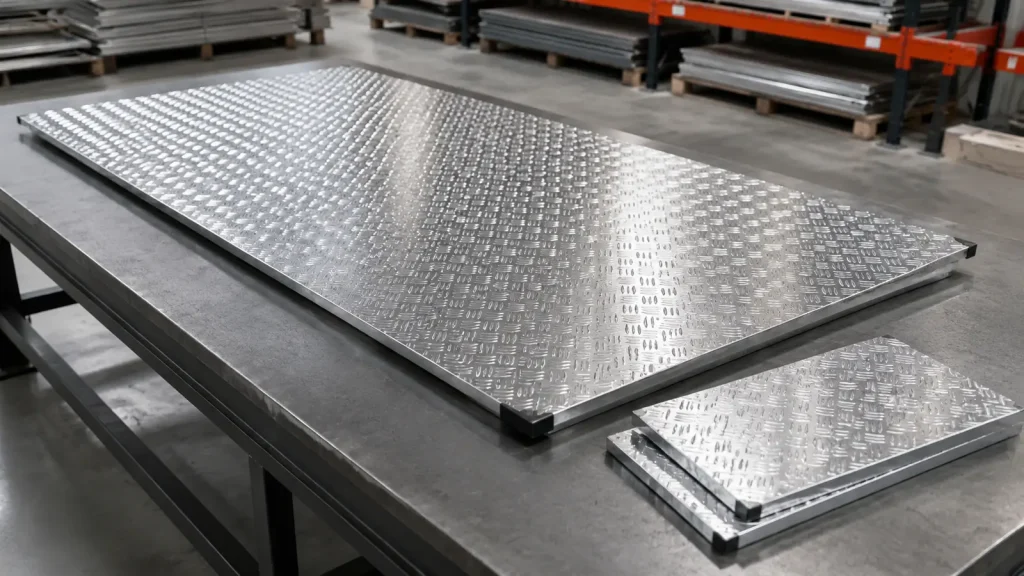
China Bending Aluminum Into a Circle Manufacturer, Factory & Suppliers can be evaluated by material specifications, circle dimensions, forming method, surface finish, customization support, inspection process, and documentation. The right comparison depends on your product design, required volume, and approval criteria.
For a useful quotation, provide drawings or reference samples, target dimensions, aluminum requirements, quantity, destination, packaging expectations, and requested delivery timing. Ask suppliers to confirm tolerances, inspection records, sample arrangements, and production lead time.
Begin with the design information that affects forming. Share the required inside or outside diameter, aluminum grade if specified, strip or tube dimensions, wall thickness, tolerance, joint expectations, surface finish, and any limits on deformation. Drawings, photographs, and reference parts can reduce interpretation during supplier communication.
For a new product line, separate fixed requirements from items open to recommendation. Ask suppliers to compare suitable related products, materials, finishes, and forming approaches where appropriate. Confirm whether samples can be reviewed before bulk production and which dimensions or appearance points will be checked.
Prepare the RFQ with estimated order quantity, first-order volume, repeat-order expectations, destination, preferred shipping terms, required documents, and target schedule. Request a clear breakdown of tooling or setup costs, sample timing, production lead time, packaging method, and quotation validity.
During quality review, compare inspection standards rather than price alone. Ask for material certificates, dimensional inspection records, surface-finish criteria, packing photographs, and any available compliance documents relevant to your project. Confirm how products will be protected against scratches, distortion, and movement during shipment.