Sheet Aluminum for Coolant Tanks: China Manufacturer Criteria | SUZHOU TOP METAL MATERIALS CO.,LIMITED

Sheet Aluminum for Coolant Tanks: China Manufacturer Criteria

Sheet aluminum for a coolant tank must form the tank walls and hold a leak-tight joint while remaining compatible with the coolant. The right sheet depends on the tank design, fabrication method and fluid—not just the sheet thickness.

Related Products

Match the aluminum sheet to the tank design

Sheet selection

Compare sheet options by alloy, temper, thickness tolerance and compatibility with the intended forming and joining process. The tank drawing and coolant details should guide that comparison.

Criterion What To Check Why It Matters Buyer Tip
Coolant compatibility Identify the coolant formulation, operating temperature and any cleaning chemicals. Coolant chemistry affects alloy selection and corrosion risk. Ask suppliers which sheet alloys they would consider for the specified fluid.
Joining method Confirm how the tank will be welded or otherwise joined, including any dissimilar-metal connections. The joining method can narrow the suitable alloys and tempers. Send the joint design to the manufacturer before selecting sheet.
Sheet thickness and temper Compare the drawing’s forming, handling and rigidity needs with the proposed thickness and temper. A sheet that forms easily may not provide the rigidity the tank needs. Specify thickness directly rather than relying on a gauge description.
Blank size and fabrication allowance Check the flat pattern, bend allowances and available cutting margins. A nominal sheet size may not yield the required tank panels. If sourcing from a factory in China, ask what sheet sizes and cutting options it can actually supply.
Tank verification Set the finished tank’s leak-test and inspection requirements separately from the sheet specification. Suitable sheet alone does not establish that assembled seams will hold coolant. Ask who will test the completed tank and how results will be recorded.

Decisions that affect tank fit and leak resistance

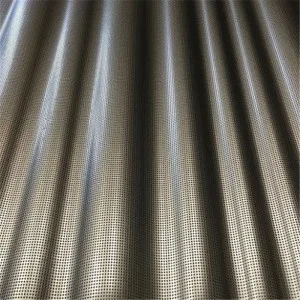
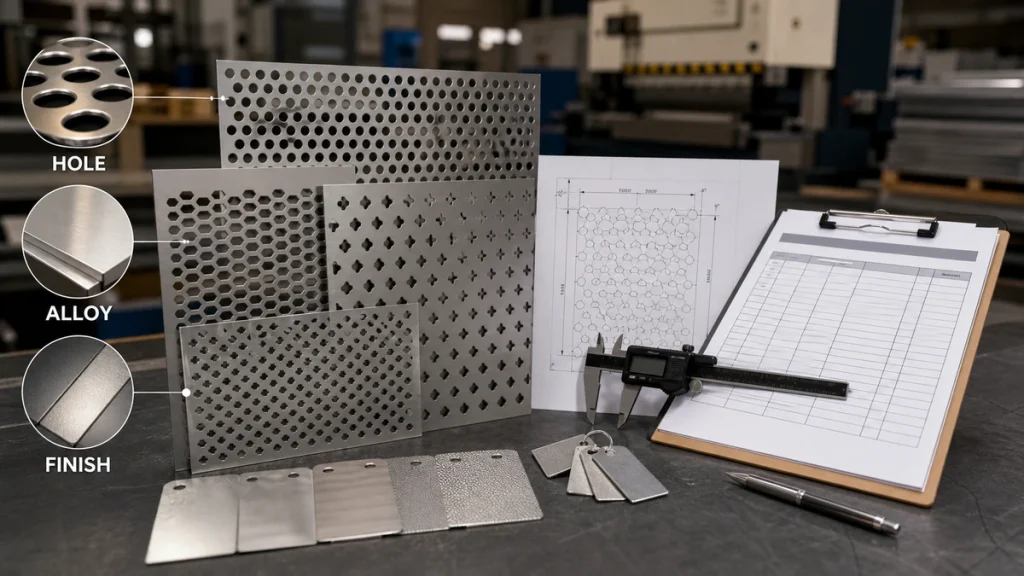
Start by separating the sheet that forms the sealed tank from any sheet used for a guard or cover. A perforated sheet may suit a ventilated cover, but it cannot form a coolant-containing wall. For the tank itself, alloy and temper affect bending and joining, while thickness affects stiffness, forming and weight. Choosing a thicker sheet without checking the joint design may add weight without resolving a leak risk.

Identify the coolant and its operating conditions before settling on a material. Coolant chemistry, temperature and contact with other metals can change the corrosion risk. Ask for compatibility to be assessed against the actual fluid rather than assuming that aluminum is suitable for every coolant.

Match the sheet to the fabrication route. Tight bends call for attention to formability; welded seams call for attention to weldability and the behavior of the material around the weld. Specify the required thickness and tolerance, since a nominal gauge alone can leave room for misunderstanding.

Check the tank drawing for seams, fittings and any areas that need extra stiffness. A finish on the outside does not replace a suitable internal material and sound joints. Agree on how the finished tank will be checked for leaks, especially around openings and seams.

For buyers sourcing from China, send the drawing, coolant details and planned joining method when contacting a manufacturer or comparing suppliers. If you need factory cutting or other preparation, ask what can be supplied and in what condition rather than assuming those services are included.

Criteria Importance Description Example Options
Coolant compatibility Essential for a fluid-contact wall. Assess the alloy against the actual coolant, operating conditions and other metals in the system. Two tanks with the same shape may need different material assessments if they hold different coolant formulations.
Forming and joining Determines whether the sheet fits the fabrication plan. Compare alloy and temper for the required bends and seam method; do not select for wall stiffness alone. A design with tight bends and welded seams calls for both formability and weldability to be considered.
Thickness and tolerance Affects stiffness, weight, forming and fit. Specify a thickness and acceptable variation rather than relying only on a gauge designation. A nominally thicker sheet may add weight without correcting a poorly designed fitting joint.
Sheet function Prevents a cover material from being specified as a tank wall. Distinguish the sealed coolant-containing wall from guards or ventilated covers. Perforated sheet may work as a cover but not as the wall of a coolant reservoir.

Product Selection

Related Options

For a welded coolant reservoir, prioritize sheet that suits the specified bends and seams over a finish chosen mainly for appearance. Confirm the material choice against the coolant before committing to production.

Blog Articles / Reviews

Frequently Asked Questions

Can aluminum sheet be used with any coolant?

No. Suitability depends on the coolant formulation, operating temperature and metals in contact with the fluid. Provide those details before choosing a sheet alloy, particularly if the tank will see prolonged fluid contact.

Is a welded tank always the better choice?

Welding can make a compact tank, but the selected sheet must suit the bends and welds in the design. A mechanically assembled tank may simplify some fabrication, though its gaskets and joints introduce different leak and maintenance considerations.

Will thicker sheet prevent leaks?

Not by itself. Thickness can increase wall stiffness, but leaks often occur at seams, fittings or openings; the design and joining method matter as much as the sheet.

Does a decorative finish protect the inside of the tank?

An exterior finish does not establish compatibility between the coolant and the tank’s internal surfaces. Assess the fluid-contact material separately from any appearance or protection needed on the outside.

What should I confirm before ordering cut sheet for a tank?

Give the supplier the drawing, required thickness and tolerance, bend locations and joining method. Ask whether the specified alloy and temper can be supplied in the requested cut size and edge condition.

Leave Your Message

Send the tank drawing, coolant details and planned joining method so SUZHOU TOP METAL MATERIALS CO.,LIMITED can discuss suitable sheet options and confirm what it can supply.